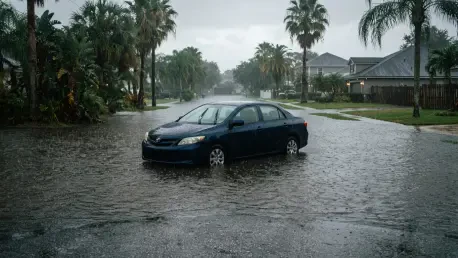

Insurance companies may legally reject automotive claims if a driver is found to have intentionally navigated their vehicle into a flooded street rather than being caught by a sudden surge. This legal nuance places a heavy burden of responsibility on South Florida drivers, especially as seasonal rainfall continues to challenge regional drainage systems in 2026. It is essential to recognize that modern insurance claims adjusting relies heavily on available data, including traffic cameras and onboard diagnostics, to determine whether a vehicle was truly stranded or driven into peril. Beyond the legalities, the financial stakes are exceptionally high because the repair costs for hydrolocked engines often exceed the total value of the vehicle itself. Consequently, navigating a flooded neighborhood is not merely a test of a vehicle’s clearance but a high-stakes gamble with one’s insurance coverage status. Understanding these distinctions is the first step in a broader strategy for regional disaster resilience and financial protection against the inevitable elements.
Navigating the Complexities of Automotive Protection
Policy Coverage: The Critical Role of Comprehensive Insurance
While many Florida motorists assume that a standard auto insurance policy provides a safety net against any environmental disaster, the reality is dictated by the specific inclusion of comprehensive coverage. Unlike basic liability or collision insurance, comprehensive coverage is the only mechanism that addresses non-collision events such as flooding, fire, or theft. Even with this coverage in place, the concept of “intentionality” remains a pivotal factor in the claim approval process. Insurance adjusters carefully examine whether the damage was an unavoidable result of rising waters or the consequence of a driver attempting to cross a submerged roadway. If evidence suggests that the driver could have avoided the hazard but chose to proceed, the insurer may interpret the act as negligence rather than an accident. This makes it crucial for drivers to remain stationary when water levels rise, prioritizing safety and claim eligibility over the desire to reach a destination during a storm.
Damage Mitigation: Immediate Responses to Vehicle Submersion
When a vehicle has been partially or fully submerged, the immediate actions taken by the owner determine the success of a subsequent insurance claim and the ultimate survival of the machine. One of the most common mistakes is attempting to start an engine that has been exposed to high water, which can draw moisture into the cylinders and cause catastrophic failure known as hydrolocking. Instead of risking further internal destruction, policyholders should focus on documentation by capturing high-resolution photographs of the vehicle’s position relative to the waterline. Experts recommend contacting a towing service to transport the vehicle to a certified mechanic for a thorough inspection of the electrical systems and fluids. This proactive approach not only prevents additional damage but also provides a clear paper trail for the insurance company, demonstrating that the owner took reasonable steps to minimize the loss and protect the asset from avoidable, long-term mechanical degradation.
Strengthening Residential Property Resilience
Insurance Disparity: Understanding the Rising Water Exclusion
The distinction between “water from above” and “rising water” is a fundamental concept that frequently leads to financial hardship for homeowners who lack specific flood policies. Standard homeowners insurance is typically designed to cover internal pipe bursts or rain entering through a damaged roof, but it strictly excludes damage caused by water that originates from the ground and enters a structure. Despite the persistent risk of flash flooding in the South Florida region, only about twenty percent of residents carry active flood insurance, leaving a massive gap in community resilience. This systemic vulnerability means that when a heavy rain event occurs, the vast majority of property owners must bear the full cost of remediation and reconstruction out of pocket. To bridge this gap, property owners must secure separate coverage through the National Flood Insurance Program or private insurers, ensuring that the unique risks of the local geography are adequately addressed.
Actionable Readiness: Implementing a Proactive Recovery Framework
To ensure comprehensive protection, savvy residents establish a rigorous schedule for reviewing their insurance portfolios well before the peak of the storm season. They move beyond simple policy acquisition by integrating digital documentation of all assets, utilizing cloud-based storage to protect photos and receipts from physical destruction. Many proactive homeowners also consult with structural engineers to implement physical barriers, such as flood-proof doors and specialized sealants, which complement their financial coverage. By securing policies during the dry months, they successfully bypass the restrictive thirty-day waiting periods that often catch others off guard. This multifaceted approach turns flood preparation from a seasonal worry into a controlled, manageable aspect of property ownership. Ultimately, those who act early and document thoroughly find themselves in a much stronger position to navigate the complex landscape of post-flood recovery and long-term financial stability.