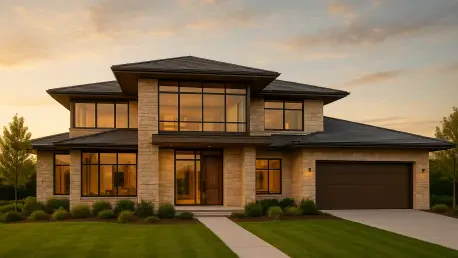

The escalating costs of construction materials and specialized labor mean that an insurance policy written years ago may no longer reflect current rebuilding realities. While a standard homeowners’ agreement is often viewed as a static document tucked away in a filing cabinet, it serves as a dynamic financial shield consisting of structural protection, personal property coverage, and liability defense. The dwelling portion specifically addresses the physical house and its systems, while personal property coverage manages the replacement of internal contents like furniture and electronics. Liability protection, perhaps the most overlooked component, guards against legal expenses and settlements arising from accidents that occur on the premises. Misinterpreting how these distinct pillars interact can lead to a false sense of security, leaving homeowners dangerously exposed when a disaster strikes or a lawsuit is filed. Proper management requires a deep dive into the specific limits and sub-limits of each category to ensure total coverage.
Identifying Hidden Vulnerabilities in Standard Coverage
Disconnect Between Market Value and Reconstruction Costs
Reliance on outdated valuation data represents a significant risk for policyholders who assume their coverage is tied to the current real estate market price. In reality, insurance is designed to cover the actual cost of rebuilding a home from the ground up, a metric that fluctuates independently of property demand or neighborhood desirability. In the current economic climate spanning from 2026 to 2028, the localized prices for lumber, copper piping, and high-efficiency HVAC systems have outpaced general inflation, creating a widening gap between policy limits and actual expenses. If a total loss occurs and the policy has not been adjusted to reflect these specific material spikes, the owner might find themselves short by six figures. This shortfall is often the result of using standard automated valuation models that do not account for custom architectural features or high-end craftsmanship that was prevalent in certain builds but is now increasingly expensive to replicate today.
Navigating Policy Exclusions and Unreported Improvements
Significant gaps often emerge regarding water damage and recent home renovations, which are frequently misunderstood by policyholders. Most standard policies cover sudden internal issues like pipe bursts but explicitly exclude damage from external flooding or groundwater, requiring a separate policy for full protection. Additionally, homeowners who upgrade their kitchens or add new rooms without notifying their insurer risk having those high-value improvements covered only at the old, lower rates, leaving their investment vulnerable. This becomes particularly problematic when custom finishes or high-efficiency systems are installed, as the standard replacement cost may not account for these premium features. Ensuring that the insurer is aware of every major change is the only way to guarantee that the coverage limit reflects the true value of the structure. Without this reporting, a homeowner might receive a settlement that is sufficient for a basic build but falls short of the luxury standards they have actually implemented.
Financial Strategy and Long-Term Security
Relationship Between Deductibles and Annual Premiums
Choosing a deductible is a strategic decision that directly affects the ongoing cost of insurance and the accessibility of funds during a claim. While opting for a higher deductible can significantly lower annual premiums, it requires the homeowner to have enough liquid savings to cover that initial out-of-pocket expense. If the deductible is set too high, the policy may become functionally useless for smaller, yet still burdensome, repairs that the owner cannot afford to start. This is especially relevant in 2026, where the cost of even minor maintenance has climbed, making the out-of-pocket portion of a claim a substantial financial hurdle. Homeowners must balance their desire for lower monthly costs against their actual ability to produce several thousand dollars in the event of a sudden roof leak or electrical failure. A well-calculated deductible serves as a tool for managing cash flow while ensuring that the insurance remains a viable resource for both minor and major incidents.
Proactive Assessment of Liability and Assets
Finalizing a comprehensive insurance strategy required a thorough audit of existing coverage compared to the current economic landscape of 2026. Homeowners benefited most when they moved toward a model of annual policy reviews, ensuring that every renovation and asset acquisition was documented. They found that engaging with specialized agents to perform a reconstruction cost analysis provided a much clearer picture of their true financial exposure. This proactive behavior allowed families to adjust their coverage limits before disaster struck, transforming a generic policy into a bespoke financial tool. By addressing the nuances of sewage backup endorsements and increasing liability caps to match their growing net worth, individuals secured their long-term stability. The ultimate solution involved a combination of adequate liquid reserves for deductibles and the strategic use of riders for high-value items. Moving forward, the most successful homeowners remained vigilant, treating their insurance as a primary defense mechanism that evolved alongside their lifestyles.