
Gopal Snacks utilized its Gondal unit as a temporary production bridge to maintain market presence during the eighteen months following the catastrophic 2024 facility blaze. This strategic maneuver allowed the company to keep its products on retail shelves while the primary manufacturing hub in Rajkot underwent a complete overhaul. The fire had initially sent shockwaves through the regional FMCG sector, raising concerns about the long-term viability of a brand that had become a staple in many households across western India. By leveraging existing infrastructure in nearby Gondal, management successfully prevented a total market vacuum, which often occurs when a major manufacturing site goes dark unexpectedly. This period of transition was marked by high operational stress, yet it served as a crucible for testing the company’s supply chain resilience and logistics agility. The ability to pivot quickly not only preserved brand equity but also provided the necessary time to negotiate complex insurance settlements.
Financial Restoration: Securing the Balance Sheet
Insurance Claims: Finalizing the Liquidity Cushion
The recent finalization of a ₹36.4 crore insurance payout represents the culminating step in a sophisticated financial recovery effort that has brought total claim realizations to approximately ₹77.43 crore. This final tranche serves as a critical financial milestone, resolving the ambiguity that previously clouded the company’s valuation since its initial listing. During the prior fiscal period, the organization had already recognized significant chunks of these claims, including an interim payout of ₹17.47 crore received in early March. This steady inflow of capital has been instrumental in stabilizing the company’s fiscal health, allowing it to move past the immediate trauma of the 2024 blaze. By securing these funds, Gopal Snacks has demonstrated its ability to effectively manage complex commercial insurance processes, ensuring that the physical loss of assets did not translate into a permanent erosion of shareholder value or long-term financial instability for the group as it expands.
Capital Management: Offsetting Asset Write-Downs
This significant cash injection provides an essential liquidity cushion that enables the company to offset historical asset write-downs incurred during the fire without resorting to expensive, high-interest debt instruments. In the current economic climate, where borrowing costs can be a burden on mid-sized FMCG players, having access to non-debt capital is a distinct competitive advantage. The infusion of these insurance proceeds has effectively cleared the financial overhang that had dampened investor sentiment for nearly two years. With the balance sheet now fortified, the management team is pivoting its focus from capital-intensive restoration projects toward strategies aimed at enhancing profitability and improving return on equity ratios. The transition from a defensive recovery posture to an offensive growth strategy is largely predicated on this newfound financial stability. As the company reinvests these funds, the focus shifts to maximizing the efficiency of every rupee recovered for the shareholders.
Industrial Rebirth: Efficiency and Scale
Capacity Restoration: The Rajkot Main Plant
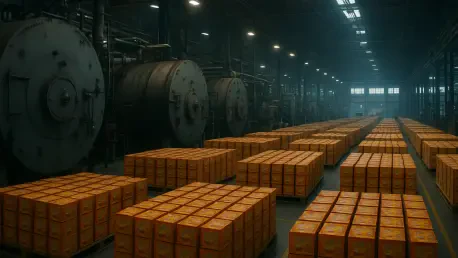
The full recommissioning of the Rajkot Main Plant in May 2026 marks a decisive turning point, bringing a massive installed capacity of 1,05,233 Metric Tonnes Per Annum back into the fold. This restoration is not merely a return to previous levels of output but a substantial upgrade that incorporates modern manufacturing principles. During the extended shutdown, the reliance on temporary facilities like the Gondal unit inevitably led to higher per-unit logistics and production costs due to the lack of centralized efficiency. Now, with the primary hub fully operational, the company is systematically shuttering these less efficient satellite sites to consolidate production under one roof. This move is expected to streamline the entire supply chain, from raw material procurement to final distribution across its thirteen-state network. The restoration of the Rajkot facility provides the scale necessary to meet rising consumer demand while providing a robust foundation for the brand’s next phase of growth.
Operational Efficiency: Modernizing Production
Beyond just volume, the shift toward a centralized, boiler-based system at the Rajkot facility is anticipated to significantly lower power consumption and operational overhead. This technological modernization allows for more precise temperature control and energy management, which are crucial factors in maintaining product quality while reducing environmental impact. The integration of advanced automation in the new facility is a primary driver for the expected EBITDA margin expansion in the upcoming quarters. By reducing human intervention in critical frying and packaging stages, the company can ensure a level of consistency that was difficult to maintain during the fragmented production phase at temporary sites. Furthermore, the consolidated logistics model at the Rajkot hub simplifies the transportation of finished goods to various distribution centers, further driving down fuel costs and transit times. This holistic approach ensures that the rebuilt plant is far more than a replacement of the old site.
Strategic Market Positioning: Defending Market Share
With the closing chapter of the fire crisis now written, market sentiment has shifted toward a bullish outlook as Gopal Snacks refocuses on defending its territory within the competitive Indian snacking landscape. The company operates across a vast distribution network, where maintaining local manufacturing hubs is essential for managing the high costs associated with fuel and transport in the FMCG sector. The successful recovery of capital and the restoration of the Rajkot manufacturing engine allow the company to pursue aggressive volume growth in both core and non-core regional markets. While regional giants and national players like Haldiram and Bikaji Foods continue to expand, the modernized Rajkot plant gives Gopal Snacks the operational leverage needed to compete on price and product variety. The ability to maintain a 13-state distribution footprint during such a major crisis has already proven the brand’s resilience and its steadfast commitment to the consumer market.
Long-Term Resilience: Roadmap for National Expansion
The ultimate recovery of Gopal Snacks was achieved through a disciplined adherence to financial transparency and operational modernization. By the conclusion of the reconstruction phase, the company had successfully replaced aging infrastructure with a sophisticated, automated manufacturing ecosystem. This transition allowed the brand to regain its footing in the market while simultaneously lowering its long-term cost structure. Management utilized the insurance proceeds to stabilize the balance sheet and invested in robust procurement strategies to hedge against commodity price spikes. Furthermore, the implementation of decentralized contingency planning and advanced safety protocols ensured that the supply chain remained resilient against future industrial shocks. These steps provided a blueprint for national expansion, as the brand moved beyond regional limitations to target underdeveloped rural markets with a modernized product portfolio. The journey from the crisis to 2026 served as a roadmap for turning disaster into advantage.