
Directly embedding insurance solutions into the digital workflows used by property operators eliminates the friction traditionally associated with resident compliance. For years, the manufactured housing sector, which currently serves over sixteen million residents across approximately eight million homes, has struggled with fragmented administrative systems and a lack of specialized coverage options. Millennial Specialty Insurance, a prominent subsidiary of The Baldwin Group, is addressing these systemic inefficiencies through a nationwide expansion of its specialized insurance platform. This strategic rollout aims to unify property management tasks with risk mitigation protocols, effectively bridging a gap that has long plagued community managers. By shifting from reactive tracking to proactive integration, the industry is seeing a fundamental change in how liability is managed at the point of lease. This modernization effort is not merely a technical update but a comprehensive overhaul of the resident experience, ensuring that every tenant has access to protection specifically tailored to the unique structural and regional risks associated with modular homes.
Seamless Integration: The Impact of LeaseTrack Technology
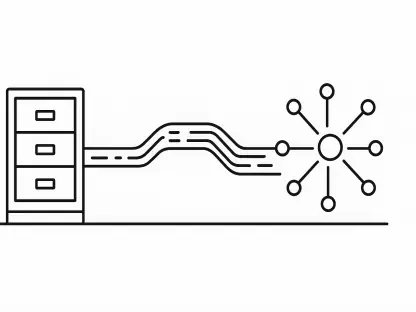
The cornerstone of this initiative is the application of LeaseTrack technology, a sophisticated platform designed to weave insurance procurement directly into the fabric of the leasing process. This concept of embedded insurance represents a significant departure from legacy models where residents were forced to seek out third-party providers and manually submit proof of coverage to property offices. By utilizing this automated interface, community managers can now monitor resident compliance in real-time, receiving immediate notifications if a policy lapses or if coverage levels fall below the required thresholds. This level of visibility is particularly crucial in the manufactured housing sector, where the diversity of home types and installation methods often complicates standard risk assessment. The technology allows for a seamless data flow between the property management software and the insurance carrier, reducing the potential for human error and ensuring that the community remains protected against unforeseen liabilities while providing residents with policies purpose-built for their specific factory-built homes.
Market specialization is essential because manufactured and modular homes frequently do not fit the standard insurance profiles utilized by traditional carriers. Many residents in these communities have historically faced difficulty finding policies that adequately cover their specific needs without being prohibitively expensive. MSI’s platform addresses this disparity by offering insurance products that are purpose-built for the factory-built housing market, taking into account the distinct construction standards and site-specific risks inherent to these properties. This targeted approach ensures that the coverage provided is relevant and comprehensive, moving away from the ‘one-size-fits-all’ mentality that has often left residents underinsured. Furthermore, by standardizing the offerings through a digital portal, the company maintains consistent underwriting criteria across various regions. This provides property owners with a reliable baseline for risk management while giving residents the peace of mind that their homes are protected by a policy designed specifically for their unique living situation.
This initiative established a new benchmark for how insurance should function within specialized housing markets by prioritizing digital accessibility and automated oversight. Property operators who adopted these integrated systems realized that the path to long-term stability involved moving away from siloed data and embracing platforms that unified resident life cycles with risk management. Looking toward the future, the industry moved to incorporate more granular data points, such as real-time climate risk assessments and property-specific maintenance records, into the underwriting process. Stakeholders were encouraged to evaluate their current technological stacks to ensure they could support the next generation of embedded services, which are now becoming the standard rather than the exception. By fostering a more transparent relationship between the insurer, the operator, and the resident, the modernization effort addressed the core vulnerabilities of the manufactured housing sector. These advancements transformed insurance into a seamless value-added component of the modern residential experience, proving that technology can solve legacy compliance issues effectively.