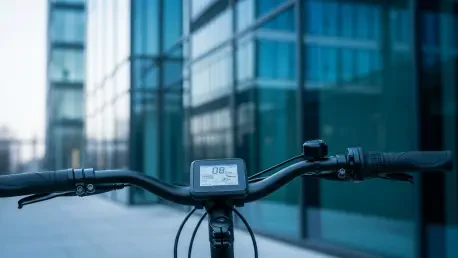

The streets of Newark and Jersey City have transformed into a bustling testing ground for a revolutionary legal experiment that redefines the very essence of modern urban mobility. As New Jersey implements its most comprehensive e-bike legislation to date, the once-blurred lines between traditional bicycles and motorized transport have finally been clarified through a rigorous statutory overhaul. This shift signifies a departure from the unregulated growth of micromobility, replacing informal usage with a structured framework that demands registration, licensing, and insurance for most electric two-wheelers. By categorizing these devices based on their mechanical output and speed capabilities, the state is no longer treating them as simple recreational toys but as significant participants in the transit ecosystem. This move aims to balance the rapid adoption of green technology with the urgent need for pedestrian safety and operator accountability in densely populated areas, effectively setting a new standard for states nationwide.
The Structural Design: Implementing a Tiered Oversight System
The core of this legislative transformation rests upon a sophisticated tiered oversight system that classifies electric bicycles based on their maximum assisted speeds and propulsion methods. For riders of entry-level e-bikes that maintain a speed cap of 20 miles per hour, the state now mandates formal vehicle registration and the possession of a valid government-issued identification card. While these lower-speed models do not always trigger the most stringent insurance mandates, they are no longer exempt from the basic administrative requirements that govern other motorized road users. This classification ensures that every vehicle on the road can be tracked back to an owner, providing a layer of accountability that was previously absent during the initial surge of e-bike popularity. By clearly defining where a bicycle ends and a motor vehicle begins, New Jersey officials are attempting to reduce the confusion that often plagues multi-modal transit lanes in major metropolitan areas.
As the mechanical capabilities of these vehicles increase, the regulatory demands become significantly more rigorous to mirror the risks associated with higher speeds. For high-performance e-bikes and “moped-class” vehicles capable of exceeding 28 miles per hour, the law now mandates a level of compliance traditionally reserved for motorcycles or heavy scooters. These high-speed operators are required to secure specialized endorsements and adhere to strict insurance minimums designed to cover significant bodily injury and property damage. This transition acknowledges that a vehicle traveling at nearly 30 miles per hour poses a different set of risks than a standard pedal-assist bike, necessitating a higher threshold for operator skill and financial responsibility. The move to treat faster e-bikes as motor vehicles reflects a broader trend of integrating powerful micromobility solutions into the existing highway code, ensuring the law evolves at the same pace as the hardware.
Operator Competency: Licensing Standards and Legal Accountability
For New Jersey residents who do not currently possess a standard driver’s license, the state has introduced a comprehensive e-bike licensing process to verify road safety knowledge. Much like the requirements for obtaining a traditional Class C license, this new pathway involves a mandatory written examination followed by a scheduled road test to ensure that riders can navigate complex traffic patterns safely. This transition professionalizes the act of e-bike operation, signaling to the public that these vehicles are serious modes of transport rather than mere leisure products. By requiring a baseline level of operator competency, the state hopes to reduce the frequency of accidents caused by a lack of understanding regarding right-of-way laws. The implementation of these tests provides a formal education for younger riders, fostering a culture of mutual respect between cyclists and motorists who must share the state’s limited infrastructure.
This legislative shift also addresses a significant socio-economic loophole that allowed individuals with suspended or revoked driver’s licenses to operate high-powered electric bicycles without oversight. Under the revised statutes, any individual whose driving privileges have been rescinded is explicitly prohibited from operating any form of motorized bicycle, effectively closing a door that many used for daily commuting. By reclassifying e-bike operation as a privilege tied to a clean driving record, the state is emphasizing a strict adherence to legal accountability for all road users. This change forces a subset of the population back toward public transit or traditional, human-powered bicycles, reinforcing the idea that motorization of any kind requires a commitment to safety. Critics argue this may hurt those in transit deserts, but proponents maintain that public safety depends on ensuring that only responsible operators are on the road at any time.
Financial Responsibility: Insurance Markets and Long-Term Outcomes
Securing the mandatory insurance coverage required for higher-speed e-bike models has emerged as one of the most complex challenges for owners under the new regulatory framework. Because standard homeowners’ insurance and traditional auto policies rarely provide coverage for two-wheeled electric vehicles, riders must now navigate a marketplace of specialized insurance products. These policies are designed to meet state-mandated minimums for both bodily injury and property damage, providing a safety net that was non-existent in previous years. Furthermore, the inclusion of personal injury protection for pedestrians adds a critical layer of financial security for the public, though it introduces new administrative costs for the individual owner. As the insurance industry adjusts to these requirements, the cost of ownership for a high-speed e-bike is beginning to align more closely with that of a motorcycle, fundamentally changing the economic value for urban commuters.
The implementation of these rigorous standards successfully addressed the mounting safety concerns of state officials while highlighting the inherent friction between innovation and regulation. By establishing a clear distinction between recreational cycles and motorized transport, New Jersey provided a viable path forward for urban planners seeking to integrate micromobility into existing transit networks. Lawmakers and industry stakeholders collaborated to ensure that the transition did not entirely stifle the use of sustainable technology, though the shift toward a more car-like regulatory experience became permanent. To facilitate long-term success, authorities prioritized the expansion of dedicated lane infrastructure, ensuring that regulated riders occupied safe spaces away from heavy freight traffic. Manufacturers also developed integrated registration software that streamlined the compliance process. This proactive approach transformed a chaotic transportation trend into a disciplined system.