
Market Rate Stabilization. General liability coverage saw one of the most significant quarterly drops, with renewal rate increases falling from 6.85% in the first quarter to 5.44% in the second. This shift signaled a possible turning point for a market that had been characterized by relentless upward pressure and tightening terms. While the broader trend still reflected a general rise in premiums, the deceleration suggested that the aggressive correction phase might finally be reaching a plateau. Industry analysts pointed toward a more disciplined underwriting environment where carriers became more selective yet competitive in specific niches. This stabilization was not uniform across all lines of business, but it provided a much-needed reprieve for corporate budgets that had been stretched thin by consecutive years of hard market conditions. The cooling effect observed in mid-2026 was largely attributed to a combination of improved investment returns for insurers and a slight tempering of the litigation environment.
Market Evolution: Shifting Dynamics in Property and Casualty
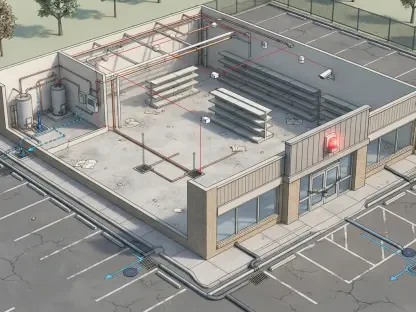
Property Sector Resilience. The commercial property sector, which previously experienced some of the most volatile fluctuations, demonstrated a marked trend toward stability as 2026 progressed. New capital entering the reinsurance space played a pivotal role in providing the capacity necessary to absorb large-scale risks, particularly in catastrophe-prone regions. From 2026 to 2028, experts anticipated that the integration of more sophisticated climate modeling software would allow for more granular pricing, reducing the need for broad-brush rate hikes across entire portfolios. Underwriters began to reward organizations that implemented robust physical risk mitigation strategies, such as secondary water leak detection systems and upgraded fire suppression infrastructure. This shift meant that well-managed risks were able to secure more favorable renewal terms compared to previous years. Consequently, the disparity between high-quality and low-quality risks grew, rewarding proactive management.
Divergence in Liability Risks. Workers’ compensation remained a consistent outlier in the commercial insurance landscape, maintaining its reputation as a profitable and stable line for most carriers. Even as medical inflation posed a constant threat, the increased adoption of workplace safety technology and wearable sensors helped keep claim frequencies at manageable levels. In contrast, the commercial auto and excess liability segments continued to grapple with the long-term effects of social inflation and nuclear verdicts. Large-scale litigation trends forced insurers to remain cautious, even as the rate of increase began to taper off in other areas. The divergence between these lines of business required risk managers to adopt a more segmented approach to their insurance portfolios, rather than applying a universal strategy across all coverages. This nuanced environment meant that while the overall market was cooling, specific sectors still required intense scrutiny and strategic negotiation to avoid unexpected spikes.
Risk Management: Strategic Transitions and Future Planning
Successful Navigation Strategies. The organizations that navigated the shifting market successfully were those that prioritized transparency and detailed documentation during their renewal processes. Risk managers who provided comprehensive data sets regarding their safety protocols and historical loss trends gained a significant advantage in negotiations. By 2026, the market favored companies that demonstrated a proactive stance toward emerging threats, such as cybersecurity breaches and climate-related disruptions. Firms that invested in third-party audits and professional risk assessments found that these external validations served as powerful tools for securing lower premiums. Furthermore, the decision to engage with brokers earlier in the renewal cycle allowed companies to explore a wider range of carrier options and alternative structures. This thorough preparation ensured that businesses were not caught off guard by the remaining pockets of volatility in the market and were able to capitalize on the cooling trends.
Foundation for Future Stability. Ultimately, the transition toward a more stable commercial insurance environment was driven by a collective shift toward data-driven decision-making and improved operational resilience. Stakeholders who embraced new technologies and alternative risk structures were better positioned to weather the fluctuations of the market cycle. The focus moved away from simply searching for the lowest price and toward building long-term partnerships with carriers that offered specialized expertise in specific industry risks. This strategic realignment allowed for more predictable financial planning and a more robust defense against unforeseen liabilities. As the market entered this new phase, the lessons learned during the years of rapid rate increases informed a more disciplined and analytical approach to risk. By maintaining high standards for safety and loss prevention, businesses ensured their long-term viability in a landscape that remained complex. These actions established a solid foundation for future growth and risk stability.