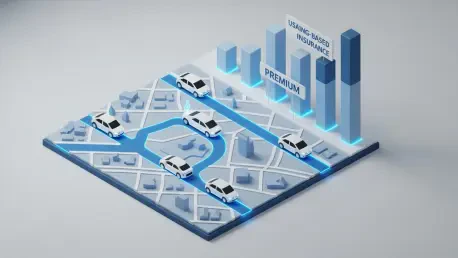

The transition toward a fully autonomous ride-hailing economy has frequently encountered a significant barrier in the form of rigid, legacy insurance structures that fail to account for the unique safety profiles of self-driving software. As Tesla continues to expand its robotaxi fleet throughout 2026 and into 2028, the demand for a more sophisticated financial model has become undeniable for commercial operators seeking to maintain profitability. Roamly FSD arrives as a direct response to this need, representing a collaborative effort between the InsurTech firm Roamly, Tesla, and Mobilitas to deliver a usage-based insurance product specifically tailored for the autonomous age. By shifting away from static monthly premiums, this new offering introduces a level of flexibility that mirrors the operational reality of modern fleets. This launch signals a departure from traditional risk assessment, prioritizing high-frequency data over historical driver performance, which ultimately democratizes the ability for individual owners and large-scale enterprises to participate in the burgeoning commercial ride-hailing market.
Integrating Real-Time Telemetry for Precise Risk Assessment
The core technological innovation behind this insurance product lies in its direct integration with Tesla’s proprietary Wheelbase platform, which allows for the seamless transmission of vehicle performance data. Unlike traditional telematics that often require the installation of intrusive third-party hardware or the use of separate mobile applications, this system utilizes the vehicle’s native sensors and computer vision architecture. By accessing high-frequency telemetry, the insurance engine evaluates driving behavior and environment in real time, allowing premiums to be adjusted on the fly based on the specific mode of operation. Crucially, the policy provides a significant reduction in rates during periods when the vehicle is operating under Autopilot or Full Self-Driving (FSD) protocols. This shift reflects a growing industry consensus that autonomous systems, when properly engaged, present a statistically lower risk profile than human-operated vehicles, thereby rewarding fleet owners for utilizing the most advanced safety features available on their platforms today.
This dynamic pricing model functions as more than just a cost-saving measure; it acts as a comprehensive risk engine that simplifies the administrative burden for fleet managers and individual operators alike. By removing the friction associated with traditional commercial policies, the system enables a more responsive approach to fleet management, where insurance costs become a variable expense directly tied to vehicle utilization and safety performance. This transparency allows for more accurate financial forecasting, especially as companies scale their autonomous operations across diverse urban environments. Furthermore, the partnership between Roamly and Mobilitas ensures that the underwriting process remains robust, leveraging the vast datasets generated by Tesla’s fleet to refine risk models continuously. As a result, the financial and administrative hurdles that previously discouraged small-scale investors from entering the robotaxi space have been lowered, fostering a more competitive and diverse marketplace for autonomous transportation services that prioritizes safety and technological efficiency.
Strengthening Operational Resilience and Global Underwriting
To support the global expansion of autonomous ride-hailing, the infrastructure behind this initiative includes the establishment of dedicated Network Operations Centers located in both the United States and London. These facilities provide 24/7 monitoring of fleet activities, ensuring that any anomalies or safety incidents are addressed with immediate professional oversight. This level of continuous supervision is essential for maintaining public trust and operational continuity within the complex ecosystem of autonomous mobility. Additionally, Roamly’s status as a Lloyd’s of London coverholder significantly bolsters its underwriting capacity and provides the scalability necessary to support fleets of varying sizes across international borders. By combining local operational expertise with the financial stability of a global insurance market, the program provides a resilient framework for the next generation of transportation. This structure ensures that as autonomous technology evolves, the insurance mechanisms protecting these assets remain equally sophisticated, offering a level of security that was previously unavailable to the industry.
The introduction of this specialized insurance product marked a definitive turning point for the commercial viability of autonomous fleets, as it finally aligned capital protection with real-time software capabilities. Industry leaders observed that the primary solution to the bottleneck of traditional coverage involved embracing telemetry as the ultimate source of truth for risk assessment. Operators who transitioned to these data-driven models found that they could optimize their margins while simultaneously encouraging the safe deployment of self-driving features. The strategy demonstrated that the success of mobility depended on the convergence of InsurTech and automotive engineering, creating a template for how other manufacturers might approach the robotaxi economy. Moving forward, the focus shifted toward expanding these capabilities to include inter-vehicle communication and smart city infrastructure integration. By prioritizing actionable data over static risk tables, the sector laid the groundwork for a more efficient transport network, where financial instruments evolved alongside the very algorithms they were designed to protect and support.