
When a vibrant brand that once defined the teenage shopping experience abruptly vanishes from the high street, it signifies much more than a simple change in fashion trends or consumer preference. The sudden closure of 154 storefronts and the subsequent disappearance of 1,300 jobs across the United Kingdom and Ireland rarely happens overnight. For the public, however, the collapse of a household name like Claire’s often feels like a sudden shock, catching shoppers and staff off guard.
This retail exit serves as a stark reminder that financial instability is a slow-motion catastrophe. It builds behind closed doors long before the final “Store Closing” signs appear in windows. When a brand’s footprint vanishes, it reveals a fundamental breakdown in how modern corporations manage their most critical liabilities during a period of prolonged crisis.
The High Cost of a Quiet Descent
The disappearance of a retail giant is a process characterized by incremental erosion rather than a single, explosive event. Long before the liquidation phase begins, internal markers of distress become evident to those monitoring the financial health of the organization. The high cost of this quiet descent is measured not just in lost revenue, but in the evaporation of brand equity and the destabilization of the local economies that host these physical locations.
Furthermore, the lack of transparency during these declining phases often prevents stakeholders from taking corrective action. Employees and middle management are frequently the last to know the true extent of the financial rot, leaving them vulnerable when the end finally arrives. This lack of communication exacerbates the social impact of the closure, turning a corporate failure into a localized employment crisis.
Decoding the Systemic Fragility of Modern Retail
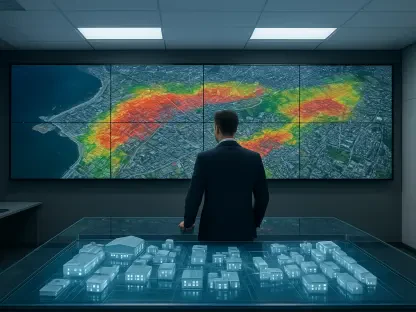
The 2025 bankruptcy filing of the US-based parent company sent shockwaves through its international operations, highlighting the precarious nature of global retail structures. This event was not an isolated failure but rather a symptom of a broader crisis. Financial risks on the high street are currently outpacing the insurance protections meant to stabilize them, leaving companies vulnerable to sudden market shifts and debt obligations.
As brands struggle with high fixed costs and a reliance on physical footfall, the gap between their actual exposure and their level of coverage continues to widen. This disparity creates a volatile environment for investors and employees alike. The systemic fragility of the sector is exposed when global parent companies struggle, proving that size does not always equate to security in a shifting market.
The Paradox of Protection in Economic Distress
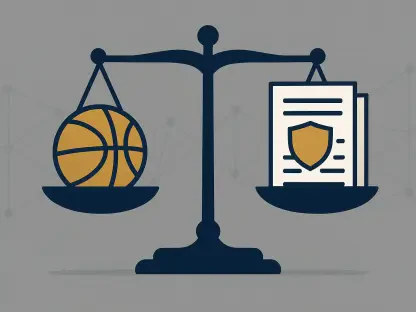
A dangerous trend has emerged in the retail sector where management teams begin viewing essential safeguards as optional overhead when margins tighten. Directors and Officers (D&O) and Management Liability (ML) coverages are often the first to be stripped away or reduced when cash flow becomes restricted. This creates a logical fallacy where companies discard protection at the exact moment their risk of litigation and regulatory scrutiny is at its highest.
Furthermore, the fallout of such a collapse extends to an entire ecosystem, triggering losses for landlords and suppliers. This sparks complex contractual disputes across trade credit and professional liability lines. The lack of adequate insurance during these distress periods ensures that the financial damage is not contained but instead ripples through the entire commercial landscape, affecting numerous third-party entities.
Expert Perspectives on Shifting Underwriting Standards
Industry leaders, including Kayzen Specialty CEO Charles Boorman, point to these insurance cuts as significant strategic errors that exacerbate corporate failure. The insurance industry is responding by fundamentally changing how it evaluates retail risk. Underwriters are now moving away from viewing the sector as a single, monolithic category, preferring instead to analyze specific operational data and digital adaptability.
This fragmented approach favors “tech-forward” retailers who demonstrate digital integration and robust cash flow. Conversely, legacy models that remain tethered to outdated physical strategies are being penalized with higher premiums or restricted coverage. The consensus among experts suggests that well-capitalized, adaptable retailers can still secure competitive terms, but those clinging to old-school overhead structures face an uphill battle for viability.
Strategies for Resilient Retail Risk Management
To navigate this increasingly volatile landscape, retail leaders were required to move beyond reactive insurance procurement and adopt a proactive risk strategy. Maintaining D&O and Management Liability coverage emerged as a non-negotiable pillar of corporate governance, regardless of current financial strain. Businesses prioritized digital integration not just as a sales tool, but as a primary metric for insurance underwriting favorability.
By providing transparent cash flow data and demonstrating a clear pivot away from high-risk legacy models, retailers sought to bridge the protection gap. They ensured that periods of economic pressure did not turn into terminal collapses by securing the necessary professional safeguards. This shift in mindset ultimately provided a roadmap for survival in an era where physical retail was no longer the sole driver of brand stability.