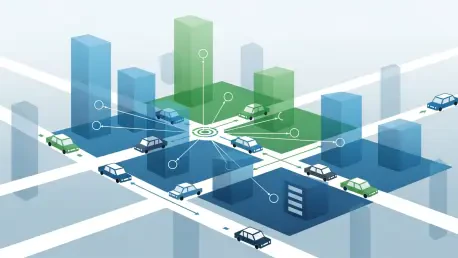
The rapid integration of sophisticated machine learning algorithms and real-time telematics has transformed the modern insurance landscape into a data-driven ecosystem where every driving decision affects a policyholder’s premium in near real-time. This structural change moves the industry away

The insurance sector has finally moved beyond the glittering promises of general-purpose technology to confront a cold, hard economic reality where every digital dollar must justify its existence through measurable fiscal performance. This shift marks the end of an era defined by speculative

The landscape of financial technology is shifting from generic automation to deeply integrated, AI-native architectures that respect the strict boundaries of institutional data. As financial giants grapple with the dual pressures of innovation and compliance, the strategic integration between Rogo

Financial resilience has become a cornerstone of household stability in an era defined by economic volatility and evolving health challenges that continue to shape the global landscape. The mutual insurer LV= recently disclosed that it facilitated a record-breaking total of £152 million in

The insurance sector currently stands at a crossroads where the theoretical promise of generative models often clashes with the harsh realities of enterprise-level implementation and legacy constraints. While nearly every major carrier has launched sophisticated pilots for automated underwriting

The modern landscape of automotive insurance is undergoing a profound transformation as the industry integrates increasingly sophisticated predictive modeling techniques to evaluate driver risk. While these technological advancements allow carriers to assess individual probabilities with