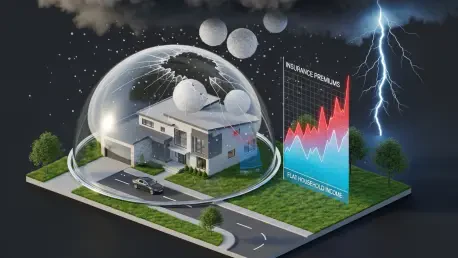

The residential landscape in Texas is undergoing a profound transformation as homeowners find themselves caught between a surging cost of living and insurance premiums that are climbing at an unprecedented rate. While the state has historically been celebrated for its relative affordability compared to coastal hubs, the narrowing gap between median household incomes and the price of essential property coverage is creating a significant financial strain on families. This economic shift is not the result of a single factor but rather a convergence of intensifying weather patterns, global financial volatility, and rising construction costs that are unique to the region. As insurance carriers update their actuarial models to reflect the increasing risk of damage from a variety of natural perils, the resulting premium hikes are frequently exceeding the annual cost-of-living adjustments seen in typical wages. This growing disparity is fundamentally altering the math of homeownership for millions of Texans, necessitating a deeper look into the systemic drivers of these costs.
Climate Dynamics and Global Financial Influences
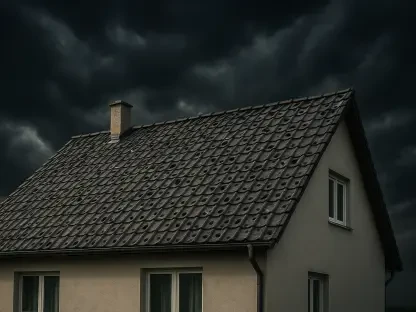
Meteorological data from 2026 indicates that the frequency and severity of convective storms and hail events across North and Central Texas have reached levels that fundamentally alter traditional risk assessments. Unlike hurricanes, which provide a degree of seasonal predictability, these localized and violent weather patterns occur with minimal warning and can cause widespread damage to roofs, siding, and vehicles. The cumulative financial impact of these frequent, high-intensity events often surpasses the damage totals of major individual disasters, forcing insurance providers to maintain higher cash reserves. To protect their solvency, companies have moved toward higher deductibles and more restrictive policy language for wind and hail damage, effectively shifting more of the initial financial burden onto the property owner. As these weather patterns become the new baseline for risk, the cost of securing a standard homeowners policy continues to climb, often leaving policyholders with fewer choices and significantly higher monthly expenses.
Beyond the local weather events, the global reinsurance market has placed additional upward pressure on the rates paid by Texas homeowners in the current economic cycle. Reinsurance, which serves as a secondary layer of protection for primary insurance companies, has seen a sharp increase in pricing due to catastrophic losses recorded globally through the end of 2026. Because Texas is exposed to a wide range of perils, including coastal hurricanes and western wildfires, it is classified as a high-risk jurisdiction by international reinsurers who provide the necessary capital for local markets to function. When the cost of this global backup coverage rises, primary insurers in Texas are forced to pass these expenses to consumers to maintain their required operating margins and regulatory compliance. This international dependency means that even a homeowner with a perfect claim history is subject to price fluctuations driven by events occurring thousands of miles away. The interconnected nature of modern finance ensures that local premiums remain tied to the volatility of the broader global catastrophe market.
Economic Pressures and Strategic Future Considerations
The physical cost of property restoration has seen a steep climb due to persistent inflation in construction materials and a structural shortage of skilled labor within the Texas market. Since the start of 2026, the price of impact-resistant roofing materials, structural timber, and specialized glass has remained at elevated levels, complicating the replacement cost valuations used by insurers. When a claim is filed, the insurer must pay for repairs based on current market prices, which have outpaced general consumer inflation, thereby driving up the overall cost of every claim. Furthermore, the high demand for contractors in rapidly growing metropolitan areas like Austin and Dallas has led to increased labor rates, adding another layer of expense to the rebuilding process. These inflationary pressures mean that insurance companies are essentially covering a much more expensive asset every year, which is reflected in the steady rise of premiums. Without a stabilization in the supply chain for building materials and an expansion of the construction workforce, these underlying costs will continue to push insurance rates higher.
The previous year proved that the traditional approach to managing property risk in Texas required a fundamental shift toward resilience and more proactive mitigation strategies. Stakeholders observed that simply raising premiums was an insufficient response to the systemic challenges posed by changing environmental and economic conditions. Legislators and industry experts worked together to analyze how enhanced building codes and targeted financial incentives could reduce the severity of losses across the state’s housing stock. Moving forward, homeowners should prioritize investments in durable building materials and conduct regular policy reviews to ensure their coverage matches their actual needs. Supporting legislative efforts that increase market competition and provide transparency in rate-setting will also be essential for long-term affordability. By embracing a combination of individual property improvements and broader regulatory reforms, the state can begin to address the widening gap between insurance costs and household incomes.