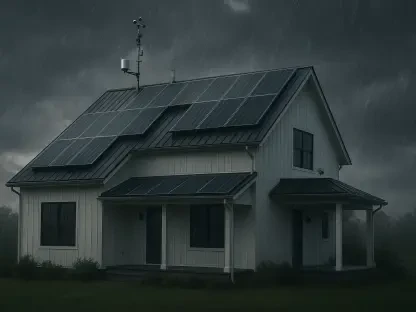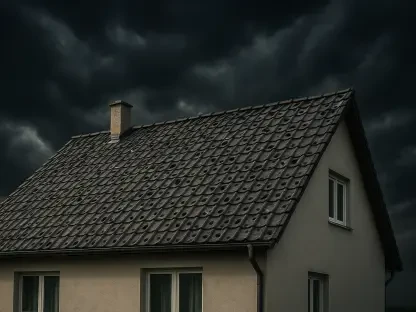

The devastating consequences of systemic corporate oversight became tragically evident when a prominent Australian family was forced out of their residence due to a series of avoidable maintenance failures managed by Suncorp Group. This incident, which unfolded during the first half of 2026, has sparked a national conversation about the ethics of insurance claim handling and the protection of private cultural assets in an increasingly volatile housing market. The family, who had trusted their insurer to manage critical repairs following a minor weather event, found themselves displaced after a prolonged period of administrative delays led to catastrophic structural failure within their home. Beyond the loss of their primary dwelling, the negligence resulted in the destruction of a significant collection of Indigenous art, including pieces that held profound spiritual and historical value for the regional community. This case serves as a harrowing reminder that behind every policy number lies a human story that can be dismantled by a single point of failure in a corporate spreadsheet.
Structural Failures: The Breakdown of Property Maintenance
Administrative Negligence: The Triage Failure
The technical failure began when Suncorp’s automated risk assessment protocols failed to prioritize urgent reports regarding water ingress and foundation stability at the onset of the wet season in 2026. Despite multiple engineers submitting high-priority alerts through the official claims portal, the internal processing system categorized the repairs as non-essential cosmetic updates rather than structural necessities. This categorization error meant that the specialized contractors required to stabilize the property were never dispatched, even as the internal environment of the home rapidly deteriorated under the pressure of secondary leakages. The lack of human oversight in the initial triage phase allowed minor seepage to evolve into systemic failures that compromised the integrity of the entire building. Experts now point to this reliance on rigid algorithmic decision-making as the primary catalyst for the eventual collapse of the home’s interior load-bearing walls.
Structural Integrity: The Impact of Delays
As the structural decay accelerated throughout the months of 2026, the displaced family was forced to relocate to temporary housing, facing significant psychological distress and financial instability during the transition. The insurer’s refusal to acknowledge the escalating severity of the situation left the residents in a state of limbo, unable to initiate private repairs without jeopardizing their coverage status under the existing policy. During this period of forced absence, the internal humidity levels rose to a point where the home became a biological hazard, eventually leading to a complete ceiling collapse that crushed several living areas. This displacement was not merely a matter of physical location but a total disruption of the family’s security and well-being, compounded by the insurer’s lack of transparent communication. The family’s experience illustrates the profound vulnerability of policyholders when corporate protocols prioritize cost-containment over the immediate safety of individuals.
Cultural Erasure: The Irreplaceable Loss of Heritage
Ancestral Legacy: The Destruction of Indigenous Art
The destruction of the Indigenous art collection represents a permanent loss to the nation’s cultural landscape, as many of the ruined pieces were one-of-a-kind artifacts created by esteemed elders. These works, which utilized traditional ochre pigments and delicate bark substrates, were particularly sensitive to the moisture levels that skyrocketed due to the insurer’s failure to seal the property after the initial damage. Because these items were not just decorative but served as vital links to ancestral stories and land rights, their loss cannot be quantified by traditional market valuations or standard insurance payouts. The community expressed deep sorrow over the fact that these pieces were stored in a facility that was supposed to be protected by a premium insurance policy. This incident underscores the urgent need for insurers to recognize the unique requirements of cultural heritage items, which require specific environmental controls and rapid-response protocols during an insurance event.
Restorative Justice: Reform and Future Safeguards
The resolution of this crisis required a comprehensive overhaul of how insurers interact with high-value cultural assets and displaced policyholders in the wake of corporate negligence. In the months following the incident, regulatory bodies introduced stricter mandates for human intervention in automated claim systems to ensure that critical structural warnings were never overlooked again. The legal community also established new precedents for cultural negligence, allowing families to seek damages for the loss of heritage that transcended the mere replacement cost of physical materials. Independent audits were performed across the insurance sector to identify other high-risk properties where administrative delays could lead to similarly catastrophic outcomes. For the displaced family, the focus shifted toward the arduous task of rebuilding their lives and seeking restorative justice through community-led heritage programs. These steps ensured that the industry moved toward a framework that prioritized the preservation of human dignity and cultural history.