
The discovery of unlisted property additions such as new decks or outbuildings during an inspection can lead to complications regarding a homeowner’s existing coverage. Homeowners across the United States are increasingly finding themselves under the watchful eyes of high-resolution drone cameras and professional property inspectors as insurance companies tighten their underwriting standards. When a century-old home is flagged for review, the primary objective is to ensure that the physical property remains consistent with the policy data. This verification process is a cornerstone of risk management, as insurers seek to identify immediate liability or maintenance hazards that could evolve into expensive claims. While the age of a structure often triggers these mandatory exterior audits, the focus remains on visible indicators of neglect or undisclosed high-risk features that might fall outside the parameters of the existing premium structure. This shift necessitates transparency.
Identifying Risks
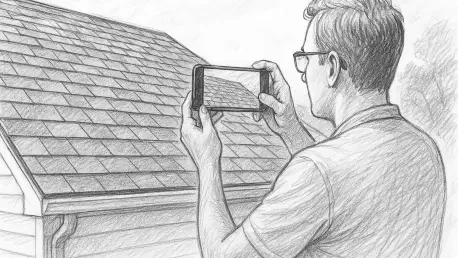
Modern insurers utilize satellite imagery and drone technology to scan for “red flags” that indicate a lack of routine maintenance. Curled or missing shingles on a roof, rotting wooden window frames, or peeling exterior paint can signal to an underwriter that the property is at a higher risk for structural degradation. Furthermore, the presence of moss or heavy debris on a roof often suggests that the homeowner has not performed necessary upkeep, potentially leading to a refusal of renewal if not addressed promptly. In the current economic climate, where repair costs continue to climb from 2026 into 2027, insurance companies are becoming far less lenient regarding these visible signs of wear. They look for any evidence that the home could suffer a loss that is preventable through basic maintenance, such as securing loose siding or clearing gutters. By identifying these issues early, companies aim to reduce the likelihood of catastrophic water damage or structural failure for the policyholder.
Beyond the primary structure, inspectors are meticulously searching for external features that increase the likelihood of personal injury claims. Missing or loose handrails on porches and staircases represent a significant liability risk that can trigger a demand for immediate repair. Similarly, the presence of high-risk recreational items like trampolines or swimming pools that lack proper fencing or are in a state of disrepair can lead to a policy being placed in jeopardy. Overgrown tree branches hanging directly over the roofline are another major concern, as these pose a direct threat of impact damage during severe weather events. If an inspector identifies these issues, the homeowner typically receives a formal notice to remediate the specific hazards within a strictly defined timeframe, usually ranging from thirty to sixty days. Failure to comply with these requests often results in a non-renewal of the policy, as carriers prioritize risk mitigation in increasingly volatile markets.
Policy Security
To successfully navigate this environment, homeowners must adopt a proactive strategy that begins long before an official inspector arrives on the scene. Conducting a personal exterior audit can reveal minor issues that are easily fixed but could be flagged during a professional review. This includes clearing away accumulated clutter from the yard, trimming back vegetation, and ensuring that all walkways are level and free of tripping hazards. Professional advice suggests that maintaining a clean and orderly exterior sends a powerful message to an underwriter about the general care of the property. When a home appears well-maintained from the street, it reduces the perceived likelihood of hidden internal problems. Furthermore, addressing visible cracks in the driveway or repairing small sections of damaged fencing can prevent a more exhaustive investigation into the property’s overall condition. Being diligent about these details can be the difference between a simple renewal and a stressful premium hike.
Looking back at the industry shifts observed throughout 2026, the most successful homeowners treated their insurance coverage as an active partnership requiring consistent maintenance and documentation. They utilized digital archives to store receipts and high-resolution photographs of roof repairs and structural upgrades, which provided an undeniable record of property care when underwriters raised questions. This proactive documentation served as a critical tool in resolving discrepancies between automated drone scans and the physical reality of the home. Furthermore, those who maintained a regular schedule for tree trimming and gutter cleaning avoided the pitfalls of non-renewal notices that plagued less diligent policyholders. By resolving small maintenance issues before they became formal inspector requirements, these individuals secured their standing in a tightening market. The transition toward stricter exterior audits eventually rewarded those who prioritized transparency and physical upkeep.