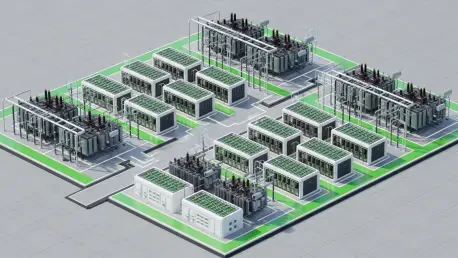

The rapid proliferation of generative artificial intelligence has fundamentally transformed the physical blueprint of the modern data center, shifting the industry toward gigawatt-scale campuses that dwarf the facilities of just a few years ago. This explosive growth is not merely a matter of quantity but a radical evolution in density and power requirements, forcing insurance underwriters to reassess risk models that were once considered stable. As liquid cooling becomes a necessity for high-performance chips and power densities climb to unprecedented levels, the margin for error in facility management has narrowed significantly. While the digital economy celebrates this technological leap, the insurance sector is grappling with a new hierarchy of hazards where traditional property risks are magnified by the hardware involved. The transition from simple data storage to complex AI hubs introduced a volatile mix of financial concentration and intricate operational dependencies.
Risk Assessment: Claims Analysis and Structural Complexity
Recent actuarial data highlights a disconnect between the frequency of insurance claims and the total financial impact of those losses on the global market. Water-related incidents, ranging from simple pipe leaks to failures in complex liquid cooling systems, now account for approximately 21% of all reported claims, making them the most frequent source of operational friction. Despite their commonality, these events often result in manageable losses that do not necessarily threaten the structural integrity of the facility. In contrast, fire incidents are responsible for more than half of the total financial value of all insurance claims within the sector. This demonstrates a catastrophic potential that can instantly wipe out investment, as the heat and smoke generated by high-density fires cause irreversible damage to sensitive electronics. These risks are heavily concentrated in North America and Europe, where hyperscale facilities create significant accumulation risk.
The shift toward multi-story data center designs has added a new layer of structural complexity, packing immense asset value into a much smaller, vertically stacked footprint. This architectural change creates logistical hurdles for fire suppression and security, as a failure on an upper floor can have cascading effects on the critical infrastructure located below. The race to deliver AI capacity has led to compressed construction timelines and frequent late-stage design modifications, both of which heighten the probability of human error during the commissioning phase. This transition period is particularly dangerous, as systems are first pushed to their operating limits and latent defects may manifest as major failures. Insurers observe that the window between construction and operational stability is when a facility is most vulnerable to technical glitches that can spiral into massive property losses before the site reaches its full commercial potential.
Infrastructure Hazards: Energy Storage and Climate Vulnerability
Fire risks have evolved alongside power storage technology, specifically with the integration of lithium-ion batteries directly into server racks to maximize space and efficiency. This practice significantly increases the risk of thermal runaway, a self-sustaining chemical reaction that is notoriously difficult to extinguish once it begins. Beyond the threat of the fire itself, the very systems designed to protect the equipment—such as high-pressure gas or chemical suppression—can sometimes cause accidental damage or contamination to sensitive electronics. Recent global incidents have shown that a single battery failure can trigger a massive shutdown, disrupting essential services across entire regions. The toxic gases released during such an event also pose a health risk to personnel and can cause corrosive damage to electronics. This shift in battery technology has forced the industry to rethink its approach to internal containment and rack-level suppression for these environments.
Physical location remains a top concern for insurers, as a vast majority of global data center capacity is situated in areas prone to tropical cyclones, wildfires, and flooding. Beyond immediate physical damage, chronic stressors like extreme heat can strain cooling systems and drive up operational costs, creating a high-stress environment for critical infrastructure. These environmental factors create a compounding effect where the physical environment and the internal demands of the facility work against each other, increasing the probability of an unplanned outage. When ambient temperatures exceed design specifications, the energy required to maintain safe operating conditions for AI chips skyrockets, increasing the risk of electrical overloads and mechanical failures. Insurers are increasingly looking at the resilience of an operator’s local environment as a key underwriting factor, as the frequency of extreme weather events challenges the reliability of regional electrical grids.
Market Dynamics: Legal Liability and Operational Resilience
As data centers become the backbone of the global economy, the legal consequences for downtime have reached new heights, driven by strict service level agreements and financial penalties. Failure to meet these obligations can lead to extensive litigation, especially when outages disrupt major industries or government functions. These risks are compounded by a fragile global supply chain, where lead times for critical components like transformers and switchgear can now stretch beyond a year. This means that even a minor physical loss can result in prolonged business interruptions, as the time required to replace specialized infrastructure continues to grow. Insurers are increasingly evaluating the resilience of an operator’s supply chain as a critical underwriting factor, favoring companies that maintain strategic stockpiles of spares or have diversified procurement agreements. This interconnectedness ensures that a localized failure can have far-reaching economic impacts.
The data center insurance market moved toward a trajectory that saw its value more than double by the end of the decade to meet the rising worth of digital assets. Forward-thinking organizations adopted comprehensive risk engineering practices that moved beyond simple compliance to focus on predictive maintenance and real-time monitoring of power systems. It became clear that the most successful operators were those who integrated insurance experts into the earliest stages of facility design to mitigate risks before ground was even broken. Engineers prioritized the implementation of redundant power paths and localized fire suppression to ensure that a single point of failure could not compromise the entire campus. This proactive approach allowed the industry to navigate the complexities of gigawatt-scale computing while maintaining the trust of both investors and the public. By treating risk as a dynamic variable, the sector established a more resilient foundation for progress.