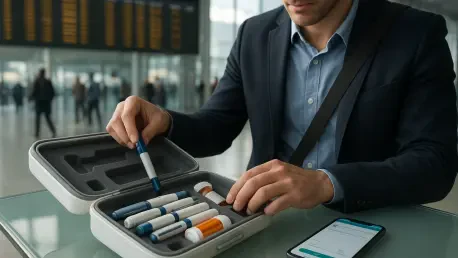

Modern travel insurance companies are increasingly rigorous in reviewing the medical backgrounds of claimants to identify any non-disclosure of GLP-1 usage. As weight-loss and diabetes medications like semaglutide and tirzepatide become staples in American healthcare, the intersection of chronic condition management and global mobility has created a complex web of liability. For the millions of citizens utilizing these advanced injectables, a simple vacation now requires the same level of administrative scrutiny as a professional medical transition. Insurance providers have shifted their focus toward detailed pharmaceutical records, knowing that these drugs often signal underlying conditions that carry higher actuarial risks. Consequently, what used to be a routine purchase of a travel policy has transformed into a high-stakes disclosure process where a single omission can lead to financial ruin. Navigating this landscape demands more than just a valid passport; it requires a comprehensive understanding of how specific health choices influence legal protections and security protocols in a fast-evolving travel industry.
Understanding the Financial Risks: Disclosure and Transparency
The shift toward precision medicine has forced insurance underwriters to adjust their risk assessment models significantly over the last few years. While GLP-1 medications provide remarkable health outcomes, insurers view them through the lens of potential complications, such as gastrointestinal distress or pancreatitis, which could lead to expensive emergency room visits abroad. Because these treatments are frequently used for weight management, underwriters associate them with co-morbidities like hypertension or cardiovascular issues that may not have been explicitly stated by the applicant. This creates a scenario where the fine print of a policy becomes the deciding factor between a covered emergency and a denied claim. Travelers often underestimate the reach of an investigator’s ability to access pharmacy databases during a claims audit. As a result, the financial safety net remains fragile for those who treat their injectable prescriptions as minor lifestyle adjustments rather than significant medical data points.
The Importance: Complete Medical Transparency
Transparency during the application phase is no longer a suggestion but a mandatory requirement for maintaining the validity of a travel insurance contract. Many policyholders mistakenly assume that they only need to disclose conditions that have caused a hospitalization or a major surgery in the recent past. However, the standard for disclosure in 2026 covers any medication prescribed by a healthcare professional, including those obtained for preventive or aesthetic reasons. Insurers argue that the presence of a GLP-1 receptor agonist in a patient’s system indicates a pre-existing condition that must be rated at the time of purchase. Even if a traveler is using the drug for off-label weight loss, the underlying metabolic status is what the insurance company is evaluating. By withholding this information, travelers are essentially entering into a voidable contract. Honesty regarding one’s pharmaceutical regimen ensures that the premium paid accurately reflects the risk, thereby securing the right to reimbursement for unforeseen events.
Consequences: Policy Invalidation and Debt
The legal and financial ramifications of policy invalidation are severe and can manifest at the most inopportune moments during an international trip. When a claim is filed, the insurance company typically requests a complete release of medical records to verify that the claimant was fit to travel and had disclosed all relevant facts. If an undisclosed GLP-1 prescription is discovered during this audit, the company has the right to deny the claim, regardless of whether the medication was related to the injury or illness in question. This material misrepresentation allows the insurer to rescind the policy, leaving the individual to cover costs that could easily exceed a year’s salary. In remote locations or countries with high-cost private healthcare systems, the lack of coverage can delay life-saving treatments or specialized medical evacuations. Without a valid insurance policy to act as a financial guarantee, many international hospitals require immediate payment or proof of funds before admitting patients for procedures.
The Role: Telehealth and Modern Prescriptions
Technological advancements in how Americans access healthcare have inadvertently complicated the disclosure process for modern travelers. The proliferation of telehealth platforms and specialized wellness apps has democratized access to GLP-1 medications, but it has also altered the patient’s perception of what constitutes a medical record. Because these prescriptions are often managed through digital interfaces rather than traditional hospital systems, users frequently view them as separate from their primary health history. This psychological gap leads many to overlook these treatments when filling out insurance forms, assuming that a digital weight-loss program is distinct from a chronic disease management plan. Nevertheless, insurance companies treat a digital prescription with the same gravity as one issued by a renowned medical center. This disconnect between digital convenience and traditional insurance requirements has created a new class of accidental non-disclosers who find themselves vulnerable despite having followed a professional healthcare path.
The Disconnect: Digital Health and Insurance
The ease with which individuals can now obtain specialized medications via smartphone has outpaced the general public’s understanding of health data integration. Many telehealth providers operate as standalone entities, which can lead patients to believe that their data is siloed and invisible to the broader insurance ecosystem. However, in the current landscape, pharmacy benefit managers and centralized health databases make it relatively simple for insurance investigators to cross-reference claims with prescription histories. This reality highlights the danger of treating telehealth as a private or lifestyle choice that does not impact one’s formal medical status. Whether a medication is prescribed for Type 2 diabetes or for body composition goals, it remains a part of the user’s physiological profile. Travelers must proactively bridge this data gap by ensuring that their insurance declarations include every medication, regardless of the platform used to secure the prescription or the perceived informality of the consultation.
Broadening: The Scope of Disclosure
The necessity for broad disclosure extends beyond metabolic treatments to include a wide range of medications managed through modern digital health platforms. Treatments for anxiety, hair loss, or skin conditions that are common in the telehealth space are frequently omitted from travel insurance applications under the false impression that they are irrelevant to travel risk. In reality, any ongoing treatment can interact with emergency care or be a symptom of a larger health issue that an insurer needs to quantify. The legal standard for full and fair disclosure remains the benchmark for policy stability. By documenting all prescriptions, travelers protect themselves against the possibility of an insurer claiming that a crucial piece of the health puzzle was missing. This level of diligence acts as a safeguard, ensuring that the traveler is fully protected across all possible scenarios, from a sudden allergic reaction to a complication arising from a chronic condition. Maintaining an exhaustive medication list is the most effective way to guarantee policy reliability.
Mastering Airport Security: Medication Safety
Physical transit through international transportation hubs introduces a different set of challenges for individuals who rely on injectable medical treatments. In an era of heightened security and streamlined screening, the presence of specialized medical devices and temperature-sensitive pharmaceuticals requires a high degree of situational awareness. While the global aviation industry has made strides in accommodating medical needs, the burden of compliance still rests largely on the passenger. Security officers are trained to identify potential threats, and an undeclared injectable pen can easily trigger a secondary screening process that delays the traveler and increases stress. Understanding the intersection of health privacy and public safety is essential for anyone carrying GLP-1 medications. By mastering the logistical requirements and security protocols, travelers can ensure that their medication remains effective and that their journey through the airport is as efficient as possible, preventing any disruptions to their health regimen.
Navigating: TSA Regulations for Injectables
Understanding the specific exemptions for medically necessary liquids is crucial for anyone navigating modern airport security with GLP-1 pens. While the general public is restricted by the 3-1-1 rule for liquids and gels, medical injectables are treated as a special category that is not subject to these volume limits. To take advantage of these exemptions, travelers should be prepared to present their medication separately and inform the security officer before the screening process begins. It is often helpful to have the original prescription label or a letter from a physician to expedite the verification of the syringes and medication pens. Even though these documents are not always strictly required by law, they serve as a powerful tool for resolving disputes quickly. Furthermore, passengers should be aware that they have the right to request a visual inspection of their medication if they are concerned about the effects of X-ray machines. Proactive communication with security personnel helps maintain the integrity of both the security process and the drug.
Thermal Storage: Medication Efficacy
Maintaining the thermal stability of GLP-1 medications is a technical challenge that requires specialized equipment and careful planning during long-distance travel. These drugs are highly sensitive to temperature fluctuations, and exposure to extreme heat or freezing conditions can render the medication ineffective or even dangerous. Travelers should utilize insulated cooling cases specifically designed for medical use, which often incorporate gel packs or phase-change materials to maintain a steady temperature. It is important to note that TSA regulations allow for the use of these cooling elements, even if they have started to melt, as long as they are declared as part of a medical kit. One should avoid placing medication in checked luggage, where the cargo hold temperatures can fluctuate wildly or the bags could be lost or delayed. Keeping the medication in a carry-on bag within an insulated container ensures that the user has constant control over the environment. This level of technical oversight is necessary to ensure the health benefits are preserved.
Strategic Planning: Actionable Next Steps
In response to the evolving intersection of healthcare and travel, individuals took several proactive steps to ensure their protection and the efficacy of their treatments. The strategy involved consolidating all medical records, including those from telehealth providers, into a single document that was shared with insurers well in advance of departure. Travelers prioritized obtaining written confirmation from their insurance agents that their GLP-1 usage was officially noted in the policy record. To streamline the airport experience, many invested in high-quality thermal storage solutions and familiarized themselves with the specific liquid exemptions at their destination airports. They also carried physical copies of prescriptions to mitigate any digital access issues while abroad. By treating medication management as a core component of travel logistics, passengers successfully avoided the pitfalls of non-disclosure and security delays. These actions transformed potential vulnerabilities into a managed aspect of the journey, ensuring that their health and financial interests were fully secured.