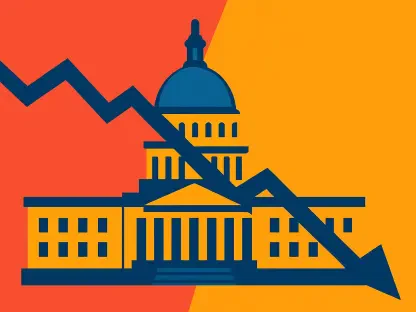

A formal investigation into the California FAIR Plan Association has been launched by Los Angeles County officials following widespread reports of systemic claims handling failures after the 2025 wildfires. This inquiry, led by County Counsel Dawyn Harrison and supported by the Board of Supervisors, addresses urgent concerns from policyholders in Altadena and Malibu who claim the “insurer of last resort” has failed in its mandate. Residents have reported an opaque bureaucratic maze characterized by significant delays and the outright denial of valid claims. Furthermore, the association allegedly neglected its duty to cover essential remediation for toxic smoke and ash contamination, leaving homes hazardous even if they remained structurally sound. This investigation seeks to determine if the FAIR Plan violated the California Unfair Competition Law, putting vulnerable homeowners at risk during their most desperate moments of recovery and rebuilding. By challenging these practices, the county aims to restore accountability to a system that many feel has become a secondary disaster for fire survivors.
Institutional Negligence: The Crisis of Accountability
The Breakdown: Claims Management and Administrative Chaos
Internal data and survey results from mid-2026 paint a picture of an organization struggling with deep-seated administrative inefficiency that has left many policyholders in a state of perpetual limbo. More than half of the FAIR Plan claimants reported having to navigate their recovery process with multiple different adjusters for a single case, which frequently led to conflicting information and lost documentation. This revolving door of personnel prevents any individual adjuster from gaining a comprehensive understanding of the specific damage or the unique needs of a household. Such organizational instability is not merely an architectural flaw; it creates a cycle of redundancy and error that stalls the rebuilding process for months on end. Survivors in the Eaton and Palisades fire zones expressed profound frustration over being forced to repeat their traumatic experiences to new representatives who seemed entirely unfamiliar with previous agreements or filed paperwork, further complicating an already stressful recovery.
This breakdown in claims management resulted in a staggering 67% dissatisfaction rate among FAIR Plan customers, the highest recorded among all insurance providers currently operating in the region. Beyond simple delays, the investigation focuses on allegations of “lowball” settlement offers that fall significantly short of the actual costs required for reconstruction and hazardous material removal. Many residents found that the initial damage assessments provided by the association were fundamentally flawed, often omitting structural issues or the pervasive presence of toxic ash. When homeowners attempted to contest these figures, they were met with further administrative barriers and a lack of transparent communication. This pattern suggests a systemic failure to fulfill policy obligations rather than an honest attempt at disaster response. The county’s inquiry will look closely at whether these practices constitute a deliberate strategy to exploit the administrative gridlock typical of high-volume disaster recovery.
The Challenge: The Paradox of the Insurer of Last Resort
The vulnerability of FAIR Plan policyholders is uniquely profound because these individuals have no alternative options for coverage in high-risk zones, making them a captive market for the association. As the insurer of last resort, the FAIR Plan serves a demographic that has been rejected by the traditional voluntary market, leaving them with zero leverage to switch providers when service is inadequate. Los Angeles County officials argue that this lack of competition makes the association’s alleged use of predatory “red tape” and procedural friction particularly damaging to the community. Unlike private carriers who must compete for business based on reputation and service quality, the FAIR Plan operates as a mandated safety net for those in the most exposed geographical areas. This power imbalance is at the very heart of the county’s legal argument, framing the insurer’s conduct as a potential exploitation of homeowners who were already traumatized by the loss of their property and safety.
Ultimately, the recovery of fire survivors required a shift away from administrative convenience toward a model centered on transparency and community stability. Stakeholders recognized that the long-term solution involved creating a more robust regulatory environment where the FAIR Plan could no longer operate as an opaque entity. Actionable steps taken included the implementation of independent auditing for all catastrophe claims to prevent the “lowballing” practices observed during the 2026 recovery efforts. Officials also prioritized the development of a standardized protocol for toxic ash remediation that was universally accepted by all insurers in the state. These changes provided a blueprint for future disaster management, ensuring that residents were not victimized twice by a combination of natural forces and corporate indifference. The investigation served as a catalyst for reform, proving that local government intervention was necessary to protect the safety and financial health of the most exposed populations.