
Local stakeholders are demanding clearer guidelines for roof replacements to prevent unnecessary financial burdens on homeowners who already face high premiums. This urgent call for clarity comes as the archipelago grapples with an unprecedented contraction in the private insurance market, leaving thousands of properties reliant on the state-backed insurer of last resort. The geographical isolation of the Keys exacerbates these issues, as logistics for rebuilding are significantly more expensive than on the mainland. Consequently, any ambiguity in state building codes or insurance mandates results in inflated repair estimates that further drive up the cost of living for residents. To stabilize the market in 2026, policy makers must address the disconnect between actuarial data and the actual resilience of modern Florida Keys construction. Bridging this gap requires a multifaceted strategy that combines strict legislative oversight with practical, site-specific engineering solutions that reflect the unique reality of island life.
Regulatory Reforms: The Path to Sustainable Coverage
Legislative efforts in 2026 have increasingly focused on the restructuring of Citizens Property Insurance Corporation to ensure it remains a viable safety net without cannibalizing the private sector. One significant development involves the implementation of a tiered premium system that rewards property owners who invest in verified secondary water barriers and advanced hurricane strapping. These reforms aim to reduce the overall risk profile of the Florida Keys by incentivizing the fortification of older structures that were built before the adoption of more stringent modern building codes. Moreover, the state has introduced a more rigorous certification process for insurance adjusters to minimize the prevalence of fraudulent claims, which historically contributed to the ballooning costs of reinsurance. By creating a more transparent and predictable regulatory environment, the state hopes to attract regional carriers back to the island chain, fostering a competitive market that could eventually lead to more manageable rate structures.
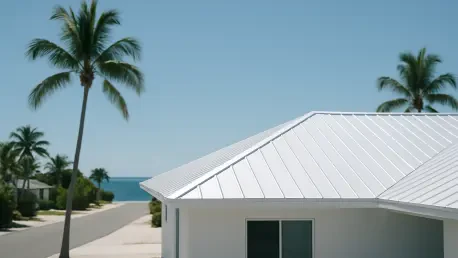
Complementing these legislative changes is the refinement of the Florida Building Code’s specific provisions regarding the 25% rule for roof replacements. In 2026, new amendments allow for more flexible repairs of non-conforming roofs provided that the structural integrity of the building is not compromised, which prevents the mandatory total replacement of functional systems. This regulatory nuance is particularly critical in Monroe County, where the cost of a full roof replacement can be double the state average due to specialized labor and materials. By allowing targeted upgrades instead of blanket replacements, the state reduces the financial strain on individual owners while still maintaining high safety standards. Additionally, the integration of digital inspection tools and drone-based damage assessment has streamlined the verification process, ensuring that mitigation credits are applied accurately to policies. These advancements collectively represent a shift toward a more modern, data-driven framework.
Engineering Solutions: Building Financial Resilience
Beyond policy adjustments, the adoption of advanced engineering techniques and innovative financial products like parametric insurance is fundamentally changing the risk landscape. The use of ultra-high-performance concrete and impact-resistant glass that exceeds current standards has provided insurers with the empirical evidence needed to lower risk assessments. In 2026, many homeowners are opting for roof-to-wall connections using specialized stainless-steel fasteners designed for corrosive salt-air environments while offering superior uplift resistance during high-wind events. Simultaneously, parametric policies, which trigger automatic payouts based on wind speed rather than damage assessment, are providing immediate liquidity to residents after a storm. This dual approach of physical fortification and financial innovation helps to distribute the unique risks of island living across a broader base. By diversifying the sources of capital available for recovery, the region can build a more resilient foundation that is less susceptible to market volatility.
To ensure the long-term viability of the archipelago, stakeholders prioritized the integration of localized risk assessments with state-level financial incentives. The transition to a more stable insurance environment required homeowners to adopt a proactive mindset by utilizing the My Safe Florida Home program to its full extent while advocating for permanent tax exemptions on mitigation-related construction materials. Strategic investments in municipal infrastructure, specifically the reinforcement of causeways and the expansion of seawall protections, demonstrated a commitment to protecting physical accessibility, which bolstered investor confidence. Moving forward, the focus shifted toward establishing a permanent insurance task force dedicated to the Florida Keys, ensuring that the unique needs of this coastal community remained at the forefront of legislative debates in Tallahassee. By combining rigorous engineering standards with flexible financial products, the region successfully navigated the most difficult period of the crisis.