
Failure to notify an insurance provider about a new high-voltage charging installation can lead to a state of underinsurance, leaving homeowners responsible for substantial rebuilding costs after a fire. This issue has become increasingly prevalent across Malaysia as electric vehicle ownership surges through 2026. While the transition toward sustainable mobility is supported by various government incentives, the integration of high-powered electrical infrastructure into residential spaces presents unique challenges for traditional property coverage. Standard houseowner and fire insurance policies are generally designed to protect against unforeseen combustion regardless of the origin, yet the specific inclusion of EV charging equipment remains a complex area for many policyholders. A fundamental understanding of how insurers view these assets is necessary to avoid catastrophic financial losses. Most modern policies categorize risk based on the stability of the installation, making it imperative for homeowners to review their contracts before a major incident occurs.
Differentiating Between Fixed Fixtures and Portable Hardware
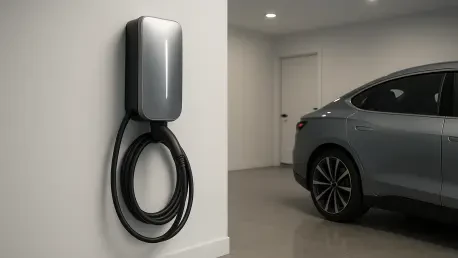
Insurance providers distinguish between the components of an EV charging setup based on how they are installed within the property. When a charging station is permanently hard-wired into the home’s electrical system, it is typically classified as a fixture or fitting, meaning it falls under the building portion of a home insurance policy. This distinction is vital because building coverage usually encompasses the core structure and any permanent additions that cannot be easily removed without tools or structural alteration. Conversely, portable charging cables and mobile units that plug into standard outlets are often viewed as personal property or contents. These portable items are frequently excluded from standard residential fire coverage and might require specialized EV motor insurance or specific policy riders to ensure full protection against theft or damage. Maintaining an inventory of these items and understanding their classification helps in determining whether current limits suffice to cover expensive charging accessories.
Installing a high-voltage charging station can significantly alter a property’s risk profile and its total rebuilding value. One of the most common pitfalls for EV owners is the risk of being underinsured by failing to notify their provider of these upgrades. When a homeowner adds a high-end charging station and the required electrical upgrades, the overall value of the home’s assets increases. If the “Sum Insured” is not adjusted to reflect the cost of the new hardware and the necessary modifications, the homeowner may face a substantial financial shortfall during a claim. Under the principle of average, if a property is insured for less than its actual value at the time of loss, the insurer may only pay a proportionate amount of the claim. This means that a homeowner who has invested heavily in green technology but neglected to update their policy could end up paying thousands out of pocket for repairs that they assumed were fully covered by their insurance provider.
Ensuring Safety Compliance and Managing Financial Liability
The validity of an insurance claim is fundamentally tied to the legality and safety of the charger’s installation, especially concerning third-party risks. Regulatory bodies, including the Energy Commission and Tenaga Nasional Berhad, mandate that chargers must be installed by licensed professionals to prevent overloading. In the aftermath of a fire, insurers rely on official reports to determine if uncertified electrical work caused the incident, which could lead to a claim rejection. This risk extends beyond the owner’s property, as EV fires in terrace houses or high-density complexes can spread quickly to neighboring structures. While many standard home policies include a baseline level of public liability coverage—often around RM50,000—this amount may be insufficient to cover the extensive damage caused by a major fire in a residential neighborhood. Homeowners must therefore consider increasing their liability limits to protect themselves against potential lawsuits from affected neighbors or communal property managers in 2026.
Successful management of residential charging risks ultimately depended on a proactive synergy between technical compliance and comprehensive insurance coverage. Homeowners who prioritized safety worked with certified technicians to ensure their circuits were dedicated and capable of handling the sustained high-voltage loads required by modern electric vehicles. To avoid the pitfalls of underinsurance, these owners meticulously documented their hardware upgrades and negotiated higher liability limits with their providers. They also explored specialized riders that specifically addressed the unique chemical and thermal risks associated with lithium-ion battery fires. This holistic approach not only secured their properties but also provided peace of mind to the surrounding community. By treating the installation of a home charger as a significant structural and financial update rather than a simple appliance addition, property owners successfully insulated themselves from the devastating financial consequences of unforeseen electrical accidents.