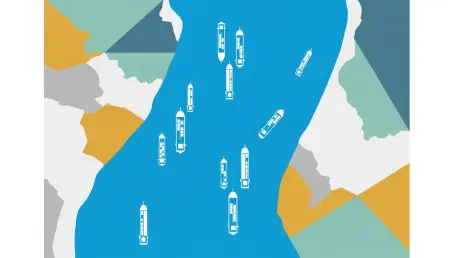

The global energy landscape is currently witnessing a pivotal shift as international mediators focus on de-escalating tensions within the Strait of Hormuz, a critical maritime corridor that facilitates the movement of significant global energy supplies. With the signing of the Islamabad Memorandum of Understanding, there is a clear transition toward administrative oversight and away from the naval confrontations that characterized the region in early 2026. This landmark agreement, bolstered by a joint working group between Iran and Oman, seeks to replace erratic military posturing with a structured framework for vessel management. However, the path to long-term stability remains obstructed by differing interpretations of sovereignty and the legal rights of commercial shipping. While the immediate objective is to prevent disruptions in oil and gas exports, the broader challenge lies in establishing a sustainable balance between regional security interests and the established norms of international maritime law. This transition represents a high-stakes diplomatic experiment designed to preserve global economic interests.
Industry Perspectives and Maritime Safety
Insurance Market Resilience and Seafarer Protection
The International Union of Marine Insurance has met these diplomatic developments with a sense of cautious optimism, focusing primarily on the safety of seafarers who have navigated high-risk conditions since the beginning of 2026. Global insurance providers are closely monitoring the implementation of the Islamabad Memorandum to determine if the reduction in military friction translates into a verifiable decrease in hull and machinery risk. For the maritime industry, the priority remains the protection of crew members who face the daily threat of detention or collateral damage in contested waters. Despite the ongoing volatility, the insurance market has demonstrated remarkable resilience by maintaining coverage for essential energy shipments, which has prevented a catastrophic breakdown in the regional supply chain. This continued financial backing is a cornerstone of global trade, allowing tankers to continue their voyages while diplomatic negotiations proceed. Underwriters have remained committed to providing a safety net that allows the flow of energy to reach international markets.
Future stability in the insurance sector is contingent on the effective implementation of safe and orderly transit protocols that offer clear protections for both crews and cargo. Industry experts argue that the resilience of the global market cannot be taken for granted, especially as new administrative requirements under the Oman-Iran working group begin to take effect. If the new regulatory framework introduces unforeseen operational hazards or increases the likelihood of vessel seizures, insurance premiums could once again skyrocket, making transit through the strait prohibitively expensive. Consequently, the maritime community is calling for greater transparency regarding the maritime services mentioned in recent accords to ensure they do not serve as a pretext for restrictive control. By establishing a predictable environment, the diplomatic process aims to lower the risk profile of the region, thereby securing the long-term participation of top-tier global underwriters and shipping firms. This predictability is essential for maintaining the economic viability of energy transport in the coming years.
Legal Frameworks and Strategic Future Outlook
A significant point of contention has emerged regarding potential transit fees, with the United States administration asserting that no tolls will be permitted on commercial shipping. While high-level political statements from Washington suggest a firm “no-toll” stance, the specific language within the Islamabad Memorandum of Understanding introduces a degree of uncertainty by allowing for future discussions on the costs of administrative maritime services. This ambiguity has created a rift between political assurances and the potential for new financial burdens, which could lead to a swift termination of negotiations if Iran attempts to charge vessels for passage through the strait. Shipping organizations are currently analyzing the fine print to determine whether these services involve pilotage and search-and-rescue or if they are a thinly veiled attempt to monetize the waterway. To counter the threat of new fees, shipping organizations and government officials are leaning heavily on the United Nations Convention on the Law of the Sea to uphold the right of transit passage.
The initial assessment of the diplomatic accord highlighted several actionable steps that were necessary to transition from a state of crisis to one of regulated stability. Stakeholders recognized that the success of the 60-day implementation period depended on the immediate establishment of a transparent monitoring system to oversee the maritime services clause. It was essential for international maritime bodies to provide technical assistance in mine-clearing operations to restore full confidence among commercial fleets. Furthermore, the diplomatic process necessitated a clear separation between legitimate administrative costs and prohibited transit tolls to prevent the sudden destabilization of energy markets. By prioritizing the removal of security threats and adhering to international legal standards, regional actors sought to create a durable peace. Ultimately, the long-term viability of the agreement was secured by the willingness of all parties to align their internal regulations with the global norms established by the United Nations Convention on the Law of the Sea.