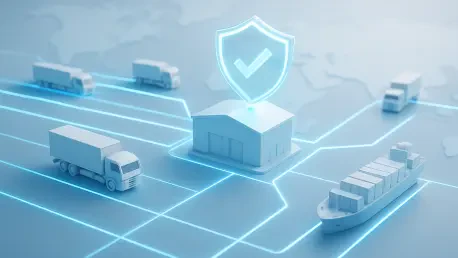

For four consecutive years, inland marine insurers have maintained loss and loss adjustment expense ratios more than twenty percentage points lower than the industry average. This remarkable achievement underscores the segment’s unique position as a bastion of stability within the broader property and casualty landscape, which has otherwise faced significant headwinds from inflationary pressures and catastrophic weather events. While traditional property lines have struggled to recalibrate in the face of rising replacement costs, the inland marine sector has demonstrated a superior ability to manage complex risks through rigorous underwriting and diversified portfolios. The category encompasses a vast range of assets, including property in transit, mobile equipment, and even digital infrastructure components that power modern telecommunications. By decoupling itself from some of the more volatile residential and commercial property markets, this sector has provided a reliable stream of revenue for carriers that prioritize specialized knowledge and precise risk assessment over high-volume, commoditized products.
Strategic Underwriting in a High-Value Environment
The surge in profitability is largely attributed to a fundamental shift in how insurers evaluate the exposure of high-value assets moving through the global supply chain. Rather than relying on historical loss data that might be outdated in a rapidly changing economic environment, modern underwriters are leveraging real-time data streams to assess the vulnerability of specialized equipment and cargo. This transition toward predictive modeling has allowed for more accurate pricing, ensuring that premiums are commensurate with the actual risk profile of the insured items. For instance, the deployment of sophisticated telematics in the transportation of heavy machinery has drastically reduced the frequency of accidental damage during transit. Furthermore, the industry has seen a move toward more granular policy language that clearly defines coverage limits and exclusions, thereby reducing the likelihood of expensive legal disputes over claims. This precision in policy construction has empowered carriers to maintain lean operations while simultaneously expanding their footprint in niche markets that require deep technical expertise.
Beyond transportation, the expansion of the domestic manufacturing sector has created a wealth of opportunities for inland marine providers to secure long-term growth. The construction of advanced fabrication facilities and renewable energy sites requires specialized builders’ risk insurance, which falls squarely within the inland marine domain. These projects often involve the movement and installation of extremely expensive and delicate components, such as high-capacity turbines or precision robotics, where a single loss can have devastating financial consequences. To mitigate these risks, insurers have begun offering comprehensive risk engineering services as part of their standard policy packages. These services include on-site inspections, weather monitoring integration, and guidance on proper storage techniques for materials sensitive to environmental factors. By positioning themselves as partners in loss prevention rather than mere financial safety nets, insurance companies have successfully lowered their loss ratios while building stronger, more collaborative relationships with their policyholders.
Technological Integration and Future Risk Mitigation
As the logistics industry continues to evolve with the adoption of autonomous vehicles and automated warehouse systems, the inland marine sector has remained at the forefront of technological adaptation. The integration of the Internet of Things (IoT) has provided underwriters with unprecedented visibility into the lifecycle of insured assets. Sensors that track temperature, humidity, and physical impact now provide a continuous feedback loop that can alert shippers to potential issues before they result in a total loss. This technological transparency has significantly deterred cargo theft and mismanagement, which were historically significant contributors to high loss ratios in the transit segment. Moreover, the use of blockchain technology for documentation and chain-of-custody verification has streamlined the claims process, allowing for faster settlements and reduced administrative overhead. The ability to verify the condition and location of goods at every stage of their journey has transformed the underwriting process from a reactive exercise into a data-driven discipline.
The industry moved toward a model where risk avoidance became as important as risk transfer, ensuring that the record profitability seen in recent years remained sustainable over the long term. Insurers identified that the most successful path forward involved the mandatory adoption of real-time monitoring tools for high-hazard shipments. They established clear benchmarks for technological compliance, rewarding clients who invested in secure, smart logistics platforms with significant premium credits. This strategy encouraged a widespread upgrade of transportation infrastructure, which in turn reduced the total cost of risk for the entire supply chain. Looking ahead, carriers recognized the necessity of expanding their data harvesting capabilities to include environmental and geopolitical risk factors that could disrupt transit routes. By shifting their focus to these broader systemic threats, the inland marine community prepared itself for a future where volatility is the norm. The emphasis remained on continuous education and the refinement of underwriting algorithms to keep pace with the rapid innovation in the industries they serve.