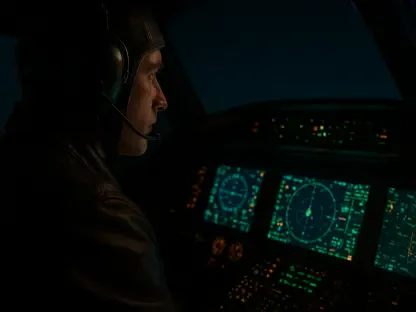

When an Airbus A321 pilot reported a mid-air drone collision at three thousand feet while descending toward JFK International Airport, the event crystalized the mounting danger posed by unmanned aircraft to commercial aviation. This incident involving JetBlue Flight 948 served as a jarring reminder that the margin for error in shared airspace is rapidly shrinking. As the presence of unmanned aerial systems (UAS) grows from a niche hobby into a ubiquitous commercial and consumer tool, the friction between these agile devices and massive passenger jets has reached a critical boiling point. The modern airspace crisis is no longer a theoretical concern for the future but a daily operational challenge that requires immediate attention from regulators and industry stakeholders.
This trend analysis explores the intensifying density of drone traffic and the subsequent safety implications for high-altitude flight paths. Through an examination of adoption statistics and high-stakes near-misses, a clearer picture emerges of the “structural pressure” currently straining aviation safety. Furthermore, the analysis addresses the glaring insurance void that leaves airlines vulnerable to untraceable liabilities and examines the regulatory shifts necessary to manage a skyway where human-piloted and autonomous systems must coexist.
The Rising Density of Unmanned Aerial Systems
Statistical Trends in Airspace Congestion and Drone Adoption
The Federal Aviation Administration (FAA) has documented a consistent and troubling rise in drone sightings, with reports of unauthorized incursions near major airports now frequently exceeding 100 incidents per month. This surge is directly linked to the explosive growth of both the consumer and commercial drone markets, which have seen a massive influx of new operators. As technology becomes more accessible and affordable, the sheer volume of devices in the air has increased the statistical probability of a catastrophic encounter within restricted flight corridors.
The proliferation of these systems is particularly concentrated in metropolitan areas where the demand for aerial photography, delivery services, and recreational flight is highest. This geographic density creates a unique set of challenges for air traffic controllers who must manage traditional departures and arrivals alongside a growing “invisible” fleet of small, often unregistered drones. Consequently, the congestion in urban skies is placing unprecedented pressure on existing aviation safety protocols, which were originally designed for a world where only large, transponder-equipped aircraft occupied high-altitude lanes.
High-Stakes Incidents: From Near-Misses to Physical Collisions
The JetBlue Flight 948 incident over New York stands as a potential turning point in the history of aviation safety, highlighting how close a consumer device can come to causing a major tragedy. While the aircraft landed safely and post-flight inspections showed no visible hull damage, the pilot’s report of a direct strike above the cockpit sent shockwaves through the industry. This encounter is part of a broader pattern of high-risk events, including a United Airlines crew’s report of a drone passing within 100 feet at Newark Liberty International Airport and hundreds of drone seizures by the TSA during massive public events.
A recurring difficulty in these scenarios is the discrepancy between pilot observations and physical evidence. Because many small drones are constructed from lightweight materials, they often disintegrate upon impact at high speeds, leaving behind little more than a smudge or a small indentation. This “evidence gap” makes it difficult for investigators to verify the severity of a strike or identify the specific model involved. Nevertheless, the frequency of these reports suggests that the “near-miss” has become a routine hazard that pilots must navigate daily.
Industry Expert Perspectives on Liability and the Insurance Void
Aviation underwriters and insurance providers have expressed significant concern regarding the unsettled nature of liability in the event of a drone-related disaster. Leaders from firms such as SkyWatch and Starfish Specialty emphasize that the current legal framework is ill-equipped to handle the financial fallout of a mid-air collision. One of the most glaring issues is the anonymity of drone operators; if an operator cannot be identified after a crash, the airline and its hull insurance provider must bear the entirety of the repair costs and operational losses.
Moreover, a deep “insurance void” exists for those who fly drones in violation of federal law. Most standard UAS insurance policies specifically exclude coverage for flights conducted in restricted airspace or at unauthorized altitudes. Since a collision at 3,000 feet is inherently illegal for a consumer drone, any policy held by the operator would likely be voided upon impact. This leaves the airline without a path for subrogation, essentially forcing the traditional aviation sector to subsidize the risks taken by unauthorized drone users.
The Future of Shared Airspace: Evolution and Systemic Implications
As the Department of Transportation moves to implement “Beyond Visual Line of Sight” (BVLOS) regulations, the complexity of airspace management is expected to intensify. These new rules aim to facilitate the expansion of commercial drone delivery and infrastructure inspection, but they also require more sophisticated tracking and identification technologies. The transition toward a more integrated skyway demands that every unmanned system, regardless of size, be visible to air traffic control and traditional aircraft through reliable remote identification systems.
The potential outcomes of this integration are mixed, offering both significant economic benefits and substantial safety risks. While commercial drones can revolutionize logistics, the risk of a single device causing a catastrophic engine failure remains a persistent fear for engineers. Achieving a safe equilibrium will likely require a total overhaul of the legal landscape, where insurers and regulators work together to create a robust framework for operator accountability. This evolution must include more stringent enforcement and the development of specialized technology capable of identifying and tracking non-compliant drones in real-time.
Balancing Technological Innovation with Public Safety
The escalating frequency of drone encounters in restricted flight paths demonstrated the fragility of the modern skyway. It became clear that the rapid advancement of unmanned technology far outpaced the development of necessary safety and liability frameworks. Stakeholders observed that the persistent “anonymity problem” left commercial airlines unfairly exposed to significant financial and operational risks. Furthermore, the reliance on voluntary compliance proved insufficient as unauthorized incursions continued to rise near major aviation hubs.
Ultimately, the analysis indicated that protecting the global skyway required a more aggressive approach to modernized enforcement and regulatory oversight. Industry leaders concluded that the path forward depended on closing the insurance gaps and mandating improved tracking technology for all drone classes. By prioritizing the safety of passenger jets over the unregulated expansion of consumer drones, authorities sought to ensure that technological innovation did not come at the cost of human life. These collective efforts aimed to create a more secure and predictable environment for the next era of aviation.