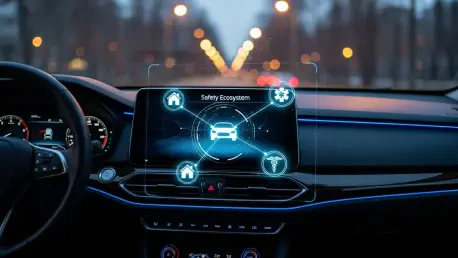

The traditional perception of motor insurance as a mandatory administrative burden has undergone a radical transformation as modern providers integrate comprehensive health and life benefits into standard vehicle policies. This shift represents a departure from reactive coverage models that focused solely on metal and glass repairs toward a more human-centric framework that prioritizes the longevity and physical safety of the policyholder. In an environment where personal well-being is increasingly linked to financial stability, the emergence of bundled services reflects a growing demand for all-encompassing protection. By treating the vehicle and its operator as a single ecosystem, the industry is moving toward a model where the “grudge purchase” of the past becomes an essential component of a broader lifestyle strategy. This evolution addresses a critical gap in risk management where physical injuries often result in greater financial strain than the actual damage to the vehicle itself. Through these innovations, the insurance sector is attempting to redefine its value proposition by offering a safety net that protects more than just the depreciating asset in the driveway.
Redefining Vehicle Protection through Holistic Integration
The Synergy: Life and Health Coverage
The most innovative aspect of this specialized insurance model lies in its ability to offer complimentary medical consultations and long-term security through integrated life insurance and Health Maintenance Organization benefits. This strategy acknowledges that a vehicular accident is rarely an isolated mechanical event but rather a personal crisis that affects the physical health and future financial standing of everyone involved in the incident. By partnering with medical organizations, providers can offer immediate clinical assistance and routine treatments at no additional cost to the client, ensuring that health remains a priority regardless of the vehicle’s condition. Furthermore, the inclusion of a life insurance component provides a necessary safety net for beneficiaries, transforming a standard motor policy into a comprehensive estate planning tool. This multi-layered approach ensures that the “circle of protection” extends far beyond the roadside, offering peace of mind that transcends simple car repairs. By merging these traditionally separate insurance silos, companies are effectively creating a more resilient financial foundation for their clients.
To qualify for these bundled benefits, policyholders typically meet a specific financial threshold, such as an annual premium of ₦7.5 million or more, which aligns the product with the needs of high-net-worth individuals and corporate fleet operators. This tier of coverage is specifically designed for luxury vehicle owners who require more than just basic third-party protection or standard comprehensive indemnity. These clients often manage significant assets and demand a level of service that reflects the high value of their investments, including specialized attention to both the machinery and the human capital operating it. For corporate entities, this integrated model simplifies the management of employee benefits by merging vehicle insurance with health and life protections into a single, streamlined package. Such a consolidation reduces administrative overhead while providing employees with a sense of security that traditional policies fail to offer. By focusing on this niche, insurance providers can offer highly customized solutions that cater to a sophisticated demographic that values efficiency and comprehensive risk mitigation.
Strategic Targeting: High-Value Asset Management
The adoption of these premium tiers represents a shift in how luxury assets are managed within a broader financial portfolio. Owners of high-end vehicles often face unique risks, including specialized repair requirements and higher liability exposure, which standard policies may not fully address. By integrating wellness incentives, insurance providers are appealing to a sense of holistic security that resonates with individuals who view their health and their assets as equally important components of their wealth. This approach also allows for more precise underwriting, as the data collected through health and motor integration provides a clearer picture of the overall risk profile of the policyholder. Consequently, the relationship between the insurer and the insured becomes less transactional and more advisory in nature. This shift is particularly evident in the way claims are handled, with a focus on restoring both the vehicle and the individual to their pre-accident state. As a result, the insurance policy functions as a proactive management tool rather than a reactive expense.
Furthermore, the premium threshold acts as a gateway to a suite of concierge-style services that go beyond the basic terms of a contract. For instance, high-value accounts often include priority claims handling and dedicated account managers who oversee the integration of various benefits. This level of service is essential for busy professionals and large-scale operators who cannot afford the downtime associated with traditional insurance bureaucracy. The integration of life and health benefits into this structure means that in the event of a major incident, the administrative burden of coordinating medical care and financial settlements is significantly reduced. This streamlined approach not only saves time but also ensures that the policyholder receives the full spectrum of support they are entitled to without having to navigate multiple service providers. By catering to these specific needs, the insurance industry is fostering a more sophisticated market that demands high performance from every aspect of their coverage. This trend is expected to continue as more consumers recognize the value of consolidated risk management.
Technical Precision and Security Features
Advanced Protocols: Security and Third-Party Liability
While the inclusion of wellness perks is a significant draw, the core of these advanced motor policies remains rooted in robust protection against accidental damage, fire, and theft. The coverage extends to provide extensive third-party liability, offering unlimited protection for accidental death or bodily injury to third parties, coupled with a minimum of ₦3 million for property damage. This level of indemnity ensures that policyholders are shielded from the potentially ruinous costs associated with legal claims and property restoration following an incident on the road. Additionally, high-premium accounts often benefit from free vehicle tracking services, which significantly enhance the security profile of the asset and improve recovery outcomes in the event of theft. These tracking systems utilize real-time data to monitor the vehicle’s location, providing an extra layer of deterrence against criminal activity. By combining physical security tech with financial indemnity, the policy creates a comprehensive defense mechanism that addresses the most common and costly risks faced by modern drivers in an increasingly unpredictable environment.
The emphasis on third-party liability is particularly important in an era where litigation costs and medical expenses are rising. A single accident can lead to multiple claims that far exceed the value of the vehicle itself, making high-limit liability coverage an essential component of a responsible insurance plan. By offering unlimited coverage for third-party injuries, providers are giving their clients a level of financial immunity that is rarely found in standard policies. Moreover, the inclusion of medical expenses for the driver and occupants ensures that the immediate aftermath of an accident is managed without the stress of upfront hospital costs. This dual focus on external liability and internal wellness creates a balanced policy that protects the policyholder from all angles. For many drivers, this comprehensive approach is the deciding factor when choosing a provider, as it reflects a commitment to total protection. As vehicle technology becomes more complex, the cost of repairs and the potential for liability will only increase, making these robust policies even more vital for long-term security.
Digital Infrastructure: Implementation and Future Continuity
Maintaining a competitive edge in the current landscape requires a digital-first approach that ensures seamless communication and rapid claims processing for all policyholders. Providers are increasingly deploying 24/7 customer support centers and mobile-optimized platforms that allow for online claims reporting and real-time status updates. This technological infrastructure is essential for modern clients who expect immediate responses and transparency during the settlement process, particularly when dealing with complex multi-benefit claims. Looking toward the period from 2026 to 2028, the industry expects to see even deeper integration of artificial intelligence and telematics to refine risk assessment and personalize premium rates based on real-time driving behavior. This data-driven evolution will likely lead to even more tailored incentives that reward safe driving with enhanced health benefits or lower deductibles. By leveraging these digital tools, insurance companies are not only improving the user experience but also building a more resilient and responsive safety net that adapts to the changing needs of the global transport sector.
The focus on digital integration also extends to how health benefits are managed within the motor insurance ecosystem. By utilizing digital health records and tele-consultation services, insurers can provide immediate medical support to policyholders regardless of their location. This connectivity is particularly beneficial for those who travel frequently or operate in regions where medical facilities may be difficult to access quickly. The ability to report a vehicle accident and initiate a medical consultation through the same mobile application represents a significant leap forward in service delivery. Furthermore, the use of predictive analytics allows insurers to identify potential risks before they manifest, offering proactive advice to policyholders on how to improve their safety and well-being. This shift toward a more interactive and data-rich relationship is transforming the insurance provider from a distant financial entity into a proactive partner in the client’s life. As these technologies continue to mature, the distinction between vehicle, health, and life insurance will become increasingly blurred, leading to a more unified approach to personal risk management.
The Evolution of Personal Risk Management
The transition toward integrated insurance models demonstrated that the industry was capable of moving beyond simple asset protection to embrace a more holistic view of client welfare. Stakeholders who recognized the value of bundling health and life benefits with vehicle coverage found themselves better prepared for the multifaceted challenges of modern mobility. Moving forward, individuals should evaluate their current policies to ensure that coverage limits reflect both the replacement cost of their vehicles and the potential long-term medical needs of their families. Adopting a unified approach to risk management allowed for greater financial predictability and ensured that unexpected accidents did not derail personal health or financial stability. Future considerations must include the regular review of premium tiers to maximize the availability of value-added services like tracking and HMO access. By prioritizing these comprehensive safety nets, owners of high-value assets secured a future where their insurance worked as hard for their health as it did for their cars. This strategic alignment of interests ultimately fostered a more sustainable and supportive insurance environment for all participants.