
The traditional image of an insurance investigator meticulously examining a physical wreck at a salvage yard is rapidly being replaced by a digital detective struggling to differentiate between genuine documentation and a hyper-realistic fabrication generated by a sophisticated neural network in under ten seconds. By mid-2026, the annual cost of insurance fraud in the United States is projected to exceed $308 billion, a staggering figure driven primarily by the unprecedented accessibility of generative artificial intelligence tools. Carriers are no longer merely contending with staged accidents or exaggerated injury reports; they are facing an onslaught of photorealistic digital evidence that can be synthesized by anyone with a basic smartphone and an internet connection. This technological pivot represents a fundamental shift in the risk landscape, as specialized technical skills like advanced photo editing are no longer a barrier to entry for potential fraudsters. The industry is currently witnessing a democratization of deception that threatens to swamp traditional claims processing workflows, forcing a massive reevaluation of how insurers verify property damage, medical records, and personal liability. Without a robust and immediate response, the foundational trust upon which the insurance model is built could begin to erode, leading to significant financial instability for both carriers and policyholders.
The Mechanics of the Synthetic Threat
The primary challenge for modern insurance adjusters lies in the high degree of photometric consistency that is now standard in AI-generated imagery. Modern generative models, specifically those utilizing advanced diffusion networks, are capable of producing digital assets that respect the fundamental laws of physics, including the accurate depiction of shadows, complex textures, and specular light reflections. Unlike the clumsy image manipulations of the past, which often left visible traces of cloning or poor edge blending, synthetic media can now mimic the exact lighting conditions of a specific time and location. This high level of fidelity allows fraudulent submissions to easily bypass the “human eye” test, which has served as the frontline of fraud detection for decades. When a claim includes an image of a dented fender where the reflections of the surrounding environment align perfectly with the geometry of the damage, even experienced adjusters may find it impossible to identify the image as a fabrication without specialized forensic assistance. This loss of visual reliability essentially nullifies traditional verification methods, necessitating a shift toward deep-signal analysis that looks far beyond what is visible on the surface of an image.
Beyond the quality of individual images, the sheer scalability afforded by artificial intelligence models introduces a systemic threat that traditional manual review processes are ill-equipped to handle. A single malicious actor can now generate hundreds of unique claims, each featuring distinct vehicles, backgrounds, and supposedly injured parties, all from a single workstation. This capability is particularly devastating during the First Notice of Loss phase, where carriers strive for high levels of automation to improve customer experience and reduce operational costs. Automated workflows that prioritize speed often lack the sophisticated inspection layers required to flag subtle digital manipulations, allowing fraudulent claims to be processed and paid out before a human ever looks at the evidence. The speed of generation creates a volume of noise that can mask highly targeted attacks, essentially overwhelming the claims department with a flood of plausible but entirely fictional events. This tactical shift from artisanal, one-off fraud to industrial-scale generation requires insurers to integrate real-time detection directly into their intake platforms to prevent systemic losses that could cripple their reserves.
Statistical Trends and Sector Exposure
Recent industry data reveals a concerning trend, indicating that 42% of insurance carriers have already identified active AI exploitation within their intake pipelines. Some major national insurers have documented nearly a 71% surge in fraud instances in a single year, a spike that is almost entirely attributed to the rise of digital tampering and synthetic evidence. Currently, nearly a quarter of all fraudulent claims flagged by special investigation units utilize AI-generated photos as their primary evidence of property damage. These figures suggest that the problem is no longer a theoretical risk but a present reality that is actively draining billions from the economy. The speed at which these fraudulent techniques have been adopted by casual claimants and organized crime rings alike has caught many organizations off guard. As the barrier to creating convincing fakes continues to drop, the volume of these cases is expected to accelerate, creating a permanent high-water mark for fraudulent activity that necessitates a complete overhaul of existing risk assessment models and actuarial tables.
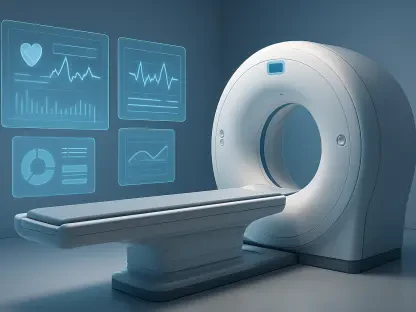
While the most visible impact of this trend is seen in auto and residential property insurance, the crisis is rapidly spreading to the medical and workers’ compensation sectors. Fraudsters are now utilizing synthetic documentation to fake physical injuries, including the generation of fraudulent medical scans, forged physician notes, and synthetic X-rays that appear medically sound. This evolution suggests that the vulnerability is systemic across the entire insurance ecosystem, rather than being confined to a single line of business. In workers’ compensation cases, the use of AI to generate evidence of disability or chronic pain adds a layer of complexity that can lead to long-term payouts for non-existent conditions. This breadth of exposure makes it increasingly difficult for insurers to isolate the threat, as every point of contact between the policyholder and the company is now a potential vector for high-fidelity deception. The transition from faking a car dent to faking a human injury marks a dangerous escalation in the sophistication of AI-driven fraud, requiring medical experts to work alongside data scientists to verify the authenticity of clinical evidence.
Multi-Layered Defensive Strategies
In response to this escalating technological arms race, the insurance industry is investing heavily in multi-modal forensic suites that operate far beneath the visual surface. These advanced systems analyze images at the pixel level to identify microscopic compression artifacts and statistical anomalies that are characteristic signatures of specific AI architectures. By looking for these “digital fingerprints,” which remain invisible to the naked eye, insurers can automatically flag suspicious content the moment it is uploaded to a claim portal. This forensic layer often includes the analysis of metadata, though modern fraudsters have become adept at stripping or faking this information, leading investigators to rely more on structural analysis of the image data itself. The goal is to move from a reactive model of fraud investigation to a proactive, real-time filtering system that can stop a fraudulent claim before it enters the expensive manual review phase. By utilizing the same types of neural networks that create the fakes, carriers are building a defensive barrier that evolves alongside the threats it is designed to counter.
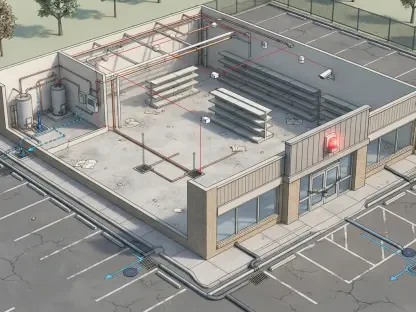
Beyond the technical analysis of digital files, carriers are increasingly using contextual cross-referencing to verify the validity of claims against external, objective realities. Sophisticated AI systems now automatically check a claim’s damage photos against a vast array of third-party data, including historical weather patterns, real-time satellite imagery from providers like Maxar, and street-level records. For instance, if a policyholder submits a photo of a roof damaged by hail, the system can instantly verify if a storm of sufficient intensity occurred at that specific GPS coordinate at the time of the reported loss. Furthermore, computer vision can compare the claimant’s photos with recent satellite imagery to see if the property looked different just days prior to the claim. This creates a comprehensive verification matrix that makes it significantly harder for synthetic images to pass as reality, as the fraudster must not only create a convincing image but also ensure it aligns perfectly with a multitude of external data points. This multi-layered approach effectively raises the cost and complexity of committing fraud, discouraging all but the most sophisticated actors.
Moral Hazards and Economic Repercussions
A significant psychological shift is occurring among policyholders, with over a third of consumers in recent surveys expressing a willingness to use digital manipulation to bolster a claim or reduce a deductible. This cultural shift suggests that many individuals view insurance fraud as a victimless crime or a justifiable way to reclaim high premiums paid over several years. This erosion of the “good faith” contract that traditionally underpinned the insurance relationship indicates that the current crisis is as much a social challenge as it is a technological one. When the tools to commit fraud become frictionless, the moral barrier to using them often lowers, leading to a surge in what investigators call “soft fraud” or opportunistic padding of legitimate claims. This normalization of deception creates a hostile environment for insurers, who must now treat every customer interaction with a level of skepticism that was previously reserved for high-risk accounts. Addressing this issue requires a combination of technological enforcement and consumer education regarding the long-term consequences of fraudulent behavior on the collective pool of insured individuals.
The financial consequences of these fraudulent activities are not merely absorbed by the insurance companies; they are passed directly to honest consumers in the form of a pervasive “fraud tax.” Major insurers have already begun implementing premium hikes between 3% and 7% specifically to cover the rising costs associated with AI-driven fraud detection and loss payouts. These increases come at a time when many households are already struggling with the cost of living, further straining the relationship between the public and the insurance industry. Additionally, legitimate claimants are facing significantly longer processing delays as insurers implement more rigorous, and often slower, verification protocols to ensure the authenticity of every document submitted. The need for human-in-the-loop verification for suspicious cases creates bottlenecks that frustrate customers who are in genuine need of timely assistance. Consequently, the actions of a fraudulent minority are actively degrading the service quality and affordability of insurance for the entire population, creating a cycle of rising costs and diminishing trust that is difficult to break.
The Evolving Landscape of Digital Integrity
As the industry moved toward the end of the decade, it became clear that static image fraud was merely the first wave of a much larger challenge involving deepfake video walkthroughs and adversarial AI. Fraudsters began to move beyond simple photos to create entire video walkthroughs of supposedly damaged properties, using real-time rendering to simulate collapsed ceilings or flooded basements with convincing fluidity. This transition forced insurers to develop even more advanced temporal analysis tools capable of detecting the subtle “ghosting” or frame-to-frame inconsistencies inherent in synthetic video. Furthermore, the rise of adversarial AI allowed criminals to “test” their fakes against known detection systems in a closed loop, refining their methods until the synthetic media was virtually indistinguishable from reality even to automated scanners. The industry responded by moving toward a “zero-trust” architecture for evidence intake, prioritizing live-captured data through secure, carrier-provided applications that could verify the integrity of the data stream from the camera sensor to the cloud.
The strategy that eventually proved most effective involved a shift toward verified reporting channels and the establishment of an industry-wide blockchain-based ledger for physical assets. By creating a permanent, tamper-proof record of a property’s condition over time, insurers were able to verify new claims against a historical baseline that could not be retroactively altered by generative models. This collaborative approach, combined with the integration of Internet of Things sensors in vehicles and homes, provided a stream of objective data that bypassed the need for visual evidence entirely in many cases. The industry also pivoted toward offering lower premiums to customers who agreed to use these verified telemetry systems, effectively creating a two-tier market based on data integrity. Ultimately, the successful mitigation of AI-generated fraud depended on the industry’s ability to transition from a document-heavy verification process to a data-centric model that prioritized real-time, authenticated observation over post-loss digital evidence. Through these combined efforts, carriers managed to stabilize the market and protect the integrity of the claims process against an ever-evolving digital threat.