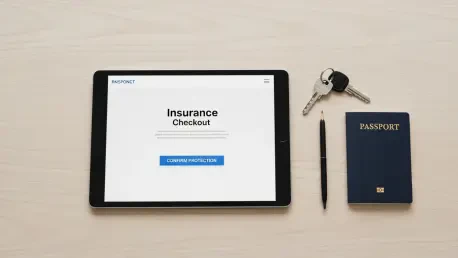

Thetraditionalinsuranceindustryhashistoricallybeenplaguedbyfragmentedprocessesandmanualdocumentationthatfrustratemoderntravelersseekingasmootherdigitalexperience. Modern travelers frequently encounter significant frustration when forced to navigate separate websites or complex paperwork just to secure basic protection for their upcoming international or domestic trips. The traditional insurance sector has historically struggled with fragmented systems and manual verification processes that disrupt the flow of digital commerce and alienate tech-savvy demographics. By integrating insurance directly into the point of sale, companies are now addressing these pain points with unprecedented efficiency and technical sophistication. Trust Travel, a subsidiary of TUI Belgium, has recognized this shift by entering into a strategic partnership with Qover to embed travel protection directly into the digital customer booking journey. This initiative aims to modernize the landscape by making coverage more intuitive and accessible, ensuring that every traveler can secure their plans with just a few clicks. Through this synergy, the companies are streamlining the protection process, ensuring it is both scalable for the provider and effortless for the user.
Revolutionary Integration of Insurance Technology
Streamlining the Digital Booking Journey
The core of this collaboration involves embedding insurance options, such as cancellation, medical, and luggage assistance, into the checkout process, available as both temporary and annual policies. This level of integration ensures that when a customer selects a flight or a vacation package, they are presented with tailored insurance products that align specifically with their itinerary and personal risk profile. By removing the need for external redirects or secondary logins, the platform maintains a high level of user engagement and significantly increases the conversion rate for protection products. Furthermore, the automation of policy documentation management allows travelers to receive their coverage details instantly via email or through their digital wallet, providing immediate peace of mind. This shift toward “invisible” insurance reflects a broader demand for utility-based financial services that prioritize the consumer’s time and convenience. It effectively eliminates the cognitive load associated with researching third-party providers, as the trust established with the primary travel brand extends naturally to the embedded insurance offering.
Beyond the initial purchase, the digital-first approach extends to the post-sale experience, where managing documentation and processing claims traditionally became a bureaucratic nightmare for most policyholders. The partnership utilizes an end-to-end digital experience that encompasses everything from policy issuance to the complex task of handling reimbursement requests through a unified interface. This centralized system allows customers to upload receipts and report incidents directly through the booking platform, leveraging real-time data to accelerate the verification process. For Trust Travel, this reduces the administrative burden on support staff, as many routine inquiries are handled by automated workflows and intelligent chatbots integrated into the Qover orchestration layer. Such efficiency is crucial in a high-volume environment like travel, where seasonal peaks can overwhelm traditional customer service centers. The ability to offer real-time access to coverage details and claim status updates represents a significant upgrade from the delayed communications that once defined the travel insurance industry.
Technical Foundations of Insurance Orchestration
At the heart of this technological advancement lies the sophisticated orchestration platform developed by Qover, which acts as a bridge between complex insurance carriers and modern front-end interfaces. This middle-layer technology allows Trust Travel to deploy a variety of insurance products across different markets without having to rebuild the underlying infrastructure for every new territory or product line. The API-driven architecture ensures that data flows seamlessly between the booking engine and the risk assessment models, allowing for dynamic pricing and localized compliance adherence. By leveraging these advanced tools, the organization can scale its operations rapidly, responding to market fluctuations or changing regulatory requirements with minimal downtime. The platform is designed to handle the intricacies of multi-currency transactions and diverse legal frameworks, making it an ideal solution for a global brand operating in multiple jurisdictions. This modularity is essential for maintaining a competitive edge in an era where speed to market and technical agility are the primary drivers of success for major travel enterprises and their digital subsidiaries.
Scalability remains a primary focus for Trust Travel executives, who understand that a robust technical foundation is necessary to deliver peace of mind to customers at the exact moment they need it most. The Qover platform provides the necessary elasticity to handle thousands of concurrent transactions during peak booking windows, such as the summer holiday rush or winter ski season. Moreover, the integration of data analytics allows the company to monitor product performance in real-time, gaining insights into which coverage types are most popular among specific traveler segments. This information can then be used to refine insurance offerings or introduce new features, such as specialized protection for adventure sports or high-value electronic equipment. The ability to pivot based on empirical data is a hallmark of the new era of embedded finance, where insurance is no longer a static product but a dynamic feature of the overall travel experience. Consequently, the partnership is not just about technology but about creating a feedback loop that continuously improves the value proposition for the end user while maximizing the operational efficiency of the provider.
Expanding Market Reach Through Strategic Ecosystems
Empowering Independent Travel Professionals
Beyond direct consumer sales, the partnership introduces a versatile commercial model that extends the benefits of embedded insurance to the wider travel agency network. Independent travel agents and TUI Belgium retail shops can now offer these insurance products to travelers even for trips that were not originally booked through the TUI ecosystem. This open-access approach is especially advantageous for smaller agencies that may lack the specific regulatory licenses, such as the FSMA, required to sell complex financial products directly. By utilizing the Trust Travel and Qover framework, these agents can act as referrers, generating additional revenue through referral fees without the burden of administrative complexity or legal liability. This democratization of insurance distribution ensures that even the most specialized boutique agencies can provide their clients with high-quality protection. It creates a win-win scenario where the traveler receives comprehensive coverage, the agent earns a commission, and the insurance provider expands its market share through a decentralized distribution network that reaches previously untapped customer segments.
The implementation of this referral system represents a strategic move to harmonize the digital and physical realms of travel sales, bridging the gap between online platforms and traditional brick-and-mortar agencies. Agents are provided with a streamlined portal that allows them to generate quotes and finalize protection plans for their clients in a matter of seconds. This reduces the time spent on administrative tasks and allows professionals to focus on the more nuanced aspects of travel planning and customer relationship management. Furthermore, the partnership provides these agents with access to marketing materials and training resources, ensuring they can confidently explain the benefits of the various coverage options available. By removing the technical and regulatory barriers to entry, the collaboration fosters a more inclusive insurance market where protection is accessible regardless of how or where a trip is booked. This ecosystem-based approach reflects the growing trend toward collaborative commerce, where established players share their infrastructure to drive value across the entire industry value chain.
Future Implications for the Travel Industry
The long-term success of this partnership will likely serve as a blueprint for other sectors looking to integrate complex financial services into non-financial platforms. As the boundaries between travel, finance, and technology continue to blur, the ability to provide a unified user experience will become the primary differentiator for global brands. The move toward embedded finance is not merely a technical upgrade but a fundamental shift in business strategy that prioritizes customer lifetime value over transactional gains. By providing insurance that is both relevant and easy to purchase, Trust Travel and Qover are building deeper relationships with their users, fostering loyalty through transparency and reliability. This trend is expected to accelerate from 2026 to 2028 as more companies recognize the potential of embedded services to drive growth and improve operational resilience. As the market evolves, the focus will likely shift toward even more personalized protection plans, utilizing artificial intelligence and machine learning to predict risks and offer real-time assistance during travel disruptions.
Strategic organizations must now evaluate their own digital ecosystems to identify opportunities for similar integrations that can enhance the customer experience while creating new revenue streams. The transition toward embedded insurance required a departure from traditional legacy systems in favor of cloud-native, API-first solutions that supported rapid experimentation and scaling. Companies that successfully navigated this change found themselves better positioned to capture the attention of a global audience that values speed and simplicity above all else. Looking forward, the emphasis on regulatory compliance and data security will remain paramount, as the handling of sensitive financial and personal information requires a robust and trustworthy technical framework. By observing the successful rollout of this partnership, industry leaders can gain valuable insights into the importance of choosing the right technology partners and the necessity of maintaining a consumer-centric approach. The future of travel protection will be defined by its invisibility, where the most effective insurance is the one that the customer barely notices until it is needed.
To achieve lasting success in this evolving landscape, travel companies should have prioritized the selection of modular orchestration partners that offered global compliance and localized expertise. They recognized that the integration of insurance was not a one-time setup but a continuous process of optimization based on user feedback and changing market conditions. Organizations that invested in these digital transformations simplified the claims process and eliminated the traditional friction that often deterred travelers from purchasing protection. By 2026, the shift toward embedded finance had become a standard expectation for consumers, making it imperative for providers to offer seamless, point-of-sale coverage. Businesses that moved early to adopt these integrated models secured a competitive advantage, while those who delayed found themselves struggling to meet the rising demand for digital convenience. This transition proved that the intersection of travel and technology was the key to unlocking new levels of customer trust and operational efficiency in a rapidly modernizing global marketplace.