
The global art market currently operates under a paradigm where masterpieces are treated as sophisticated financial instruments and deeply personal relics rather than just static decorative objects. Because these assets are inherently fragile and often entirely irreplaceable, their protection necessitates a specialized sector within the insurance industry that extends far beyond the scope of traditional homeowners or commercial property coverage. This field is meticulously designed to mitigate a vast spectrum of modern risks, ranging from the unpredictable fury of natural disasters like wildfires and flash floods to the intricate logistical hurdles inherent in international transportation networks. As the landscape continues to evolve from 2026 into the future, the sector is transforming from a simple financial safety net into a comprehensive system of cultural stewardship. This new model integrates advanced data analytics, commitment to environmental sustainability, and proactive risk management to ensure that the world’s creative heritage remains intact for subsequent generations of collectors and scholars.
Navigating a Globalized Market and Logistical Risks
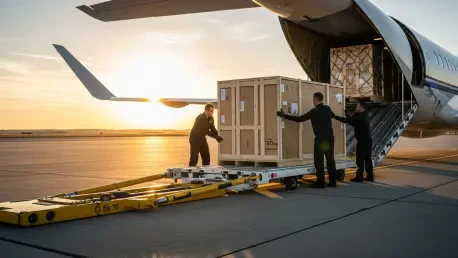
As the art world has become increasingly international, the complexities involved in protecting high-value works have grown exponentially for collectors and institutions alike. Galleries and museums frequently orchestrate the movement of priceless pieces across multiple borders for blockbuster exhibitions or high-stakes auctions, which exposes the objects to fluctuating local currencies and disparate legal frameworks. These transitions also introduce the physical dangers of inconsistent storage environments where humidity and temperature controls might fail during a transfer. To mitigate these specific vulnerabilities, modern underwriters rely heavily on the principle of “nail-to-nail” coverage, a specialized form of protection that remains in active effect from the second a piece is detached from its original wall until it is securely installed at its final destination. This seamless approach acknowledges that the highest statistical risk of physical damage occurs during handling and transit, ensuring that a simple logistical error does not escalate into a total financial catastrophe.
Building on this foundation of physical security, the rise of digital-first underwriters has further refined how risk is calculated within the rapidly shifting global market. While long-standing institutional giants like Lloyd’s of London remain central players, a new wave of boutique firms is emerging to address the specific technological challenges of 2026, including the persistent threat of sophisticated cyber-theft. These modern insurers are forced to pivot their strategies to protect digital wallets and cryptographic private keys for blockchain-based art with the same level of rigor traditionally reserved for physical vaults. By leveraging real-time data-driven insights and AI-augmented threat modeling, the industry can now simultaneously account for both traditional physical threats and the burgeoning digital ecosystem. This duality allows for the creation of flexible, modular policies that adapt to the specific needs of a post-pandemic world, where art often exists in a state of hybridity between the physical and the virtual.
Proactive Preservation and Expert Consultancy
A significant shift currently redefining the industry is the move toward proactive risk mitigation, wherein insurance providers act more as specialized consultants than as passive financial conduits. Leading firms have moved beyond the traditional claims-adjustment model by employing dedicated in-house teams comprised of conservators, forensic security specialists, and seasoned art historians. These experts conduct rigorous, on-site assessments of how private and corporate collections are stored, displayed, and even cleaned. Their recommendations frequently lead to the installation of high-precision environmental sensors that utilize the Internet of Things to monitor micro-fluctuations in humidity and light exposure in real time. By transforming the insurer into a partner in preservation, the industry reinforces the concept that preventing the degradation of a work is far more valuable to the cultural record than simply issuing a monetary payout after a loss has occurred.
Moreover, these professional teams provide essential guidance on the “best practices” of packing and shipping, which are often the most misunderstood aspects of art ownership. They host detailed workshops for gallery staff and private handlers, demonstrating the nuances of utilizing custom-built, double-walled crates for sea freight versus the specific requirements of temperature-controlled air transport. This educational outreach extends to providing instructional literature on digital cataloging and the importance of high-resolution condition reporting before and after every movement. Such initiatives are designed to eliminate human error, which remains the leading cause of insurance claims in the fine art sector. By fostering a culture of meticulous care and transparency, insurers are effectively lowering the overall risk profile of the collections they cover, which in turn leads to more stable premiums and a more resilient market for high-value cultural assets.
Managing Ethical, Legal, and Reputational Integrity
Modern insurers are increasingly required to serve as legal and ethical gatekeepers in an era marked by heightened scrutiny regarding the provenance and ownership history of high-value objects. The industry now faces the daunting challenge of assessing “reputational risk” associated with works that may have contested histories, such as those linked to colonial-era acquisitions or illicitly excavated antiquities. Providing coverage for a piece with a murky past can expose both the insurer and the client to protracted legal battles, asset seizures, and devastating public relations crises. Consequently, performing rigorous due diligence has transitioned from a recommended practice to a mandatory component of the underwriting process. This involves utilizing advanced databases and collaborating with international law enforcement agencies to ensure that every insured object has a verifiable and ethical chain of ownership, thereby protecting the integrity of the entire art ecosystem.
This focus on integrity naturally leads to a more complex underwriting environment where the “provenance of the person” is sometimes as important as the provenance of the object. Insurers are now analyzing the background of collectors and institutions to ensure they are not inadvertently facilitating money laundering or the financing of illicit activities through the art market. Sophisticated compliance software is used to cross-reference transactions against global sanctions lists and watchdogs, providing a layer of security that benefits the broader financial landscape. By enforcing these strict ethical standards, the insurance sector acts as a vital filter, discouraging the trade of looted or stolen goods and promoting a more transparent marketplace. This shift ensures that the financial protection of art does not come at the cost of compromising global ethical standards or supporting the erasure of cultural heritage from its rightful origins.
Sustainability and Environmental Responsibility in Art Logistics
As global awareness regarding the climate crisis reaches a critical peak, the art insurance industry is pivoting toward sustainability to reduce the significant carbon footprint of the art world. Traditional transportation methods, which have long relied on high-emission air freight and the extensive use of single-use petroleum-based packing materials, are being reevaluated in favor of “green” logistics solutions. Many insurers are now offering tangible financial incentives, such as premium discounts, for collectors who choose sea freight for non-urgent shipments or who utilize reusable, modular crating systems. Furthermore, there is a growing movement to support the development of “green” storage facilities that utilize renewable energy sources, such as solar and geothermal power, to maintain the strict environmental conditions necessary for art preservation. This alignment of financial interests with environmental stewardship is becoming a hallmark of the modern insurance policy.
This commitment to sustainability also involves reimagining how the industry responds to the increasing frequency of climate-related catastrophes. Insurers are working with urban planners and museum directors to develop long-term resiliency strategies for collections located in high-risk coastal or fire-prone areas. This includes funding the creation of emergency evacuation protocols and the construction of shared, high-security storage hubs located in geographically stable regions. By investing in these preventative measures, the insurance sector is not only protecting its own bottom line but also contributing to the global effort to safeguard cultural history against the unpredictable effects of a changing climate. The transition toward eco-friendly practices demonstrates that the industry is capable of evolving in tandem with societal values, ensuring that the logistics of art ownership do not contribute to the destruction of the natural world the art often seeks to celebrate.
The Role of Specie Insurance in Protecting High-Value Assets
Central to the protection of the world’s most valuable portable assets is the specialized category known as “specie insurance,” which has evolved significantly to meet contemporary demands. While its historical origins were rooted in the protection of gold bullion, currency, and diamonds, the modern scope of specie coverage has expanded to encompass rare collectibles, vintage automobiles, and high-end fine art. These policies are typically structured as “all risks” and are global in nature, reflecting a reality where luxury assets are in a state of constant motion across international boundaries. The evolution of this sector highlights the critical need for hyper-specialized expertise as the global trade in high-value assets continues to expand. Specie underwriters must possess a deep understanding of both the physical security of a vault and the shifting market values of the unique items they protect, providing a level of granular detail that generalist insurers cannot match.
Looking ahead, the future of specie insurance will likely involve the integration of biometric security and satellite-tracked transport systems to provide real-time oversight of assets in transit. Collectors and institutions should actively seek out insurance partners who offer these technological integrations, as they provide an unparalleled layer of security in an increasingly volatile world. It is also recommended that owners of high-value collections conduct annual reviews of their specie policies to ensure that coverage limits keep pace with the rapid appreciation of the art market. By embracing these innovative tools and maintaining a rigorous schedule of policy audits, stakeholders can ensure that their financial interests are fully protected. Ultimately, the synergy between cultural knowledge and financial innovation within the specie sector ensures that the world’s most precious treasures remain secure, allowing the global art community to thrive with confidence and stability. The industry has successfully transitioned into a guardian role that was previously unimaginable.