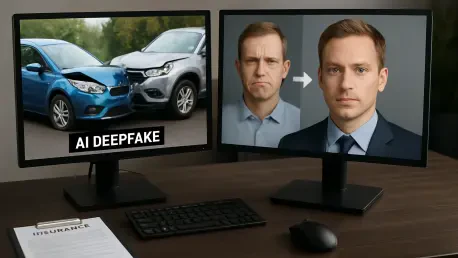

A single high-definition photograph of a shattered windshield used to be the gold standard of proof for an insurance claim, but today, that same digital file might be nothing more than a ghost in the machine. As carriers embrace digital-first workflows, they are inadvertently inviting a sophisticated guest to the table: synthetic media. What was once crude manipulation has evolved into a billion-dollar illusion where AI imagery bypasses traditional scrutiny with ease.
Recent data indicates a 98% consensus among adjusters that generative AI is accelerating fraud rates. This shift creates a paradox where detailed evidence is simultaneously the industry’s greatest liability, forcing a re-evaluation of what constitutes a valid claim in a world of algorithmic forgeries. Carriers are now forced to question every pixel in a landscape where seeing is no longer synonymous with believing.
The Democratization of Deception in a Digital-First Market
The democratization of AI means high-level deception is no longer restricted to professional crime syndicates. Individual policyholders now access powerful platforms to fabricate complex accident scenes with simple text prompts. This shift toward “opportunistic” fraud represents a fundamental change in the digital market, as the barrier to entry for high-quality forgery has effectively vanished.
Moreover, rapid technological adoption outpaced the legislative responses required to curb digital crime. While carriers implement new protocols, the legal framework remains anchored in an era dominated by physical evidence. This lag provides a window for actors to exploit the friction between fast digital processing and slow regulatory oversight, making digital forgery a low-risk, high-reward endeavor.
The Ethical Divide: Generational Attitudes Toward Enhancing Reality
A growing ethical divide exists regarding the use of AI to “enhance” reality during the claims process. Findings reveal that 55% of Gen Z and 49% of Millennials find it acceptable to digitally strengthen a claim, compared to just 12% of Baby Boomers. This data highlights a stark generational shift in perceptions of digital honesty and the acceptability of manipulating truth for personal gain.
Roughly 53% of insurers believe policyholders do not realize that altering a document, no matter how minor, constitutes a crime. This erosion of consumer ethics clashes with rigid legal definitions, creating a volatile environment where “cleaning up” a photo leads to severe legal consequences. The “harmless edit” myth continues to be a primary driver of fraudulent submissions across all digital platforms.
Defending the Perimeter with Hybrid Detection Strategies
To secure their perimeters, carriers now deploy a hybrid defense: 50% build proprietary systems, while 65% utilize third-party vendors. A significant confidence gap remains; while 58% of professionals can spot traditional edits, only 32% feel equipped to identify full deepfakes. This discrepancy underscores the urgent need for more advanced forensic tools that can keep pace with evolving synthetic media.
Shane Riedman, an analytics expert, emphasized that internal silos were the primary threat to security. He advocated for integrated systems and shared intelligence to eliminate industry blind spots. By pooling data across the sector, carriers identified patterns of deception that otherwise vanished during isolated reviews, allowing for a more robust defense against coordinated digital attacks.
Scaling the Human-AI Defense Framework
Modernizing the defense framework demanded a total overhaul of adjuster training and methodology. Moving beyond visual inspection, firms prioritized data-driven forensic analysis to find hidden fingerprints within file metadata. Adjusters balanced rigorous detection with the need for a positive customer experience, ensuring that honest claimants were not penalized by the intensive search for bad actors.
Effective solutions also focused on proactive policyholder education. By establishing clear digital boundaries and informing clients of the legal weight of minor alterations, insurers reduced the frequency of opportunistic fraud. This comprehensive approach combined advanced technology with human intuition, creating a resilient ecosystem that successfully adapted to the persistent threat of synthetic deception.