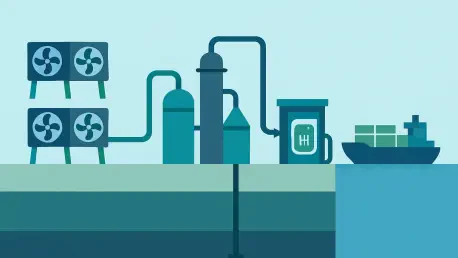

The global effort to combat climate change has long been defined by a two-front battle: reducing ongoing emissions while simultaneously removing historical carbon dioxide from the atmosphere. A groundbreaking approach is now emerging that challenges this separation, suggesting that the very process of carbon removal can be engineered to produce the clean energy commodities essential for decarbonizing the modern economy. This innovative convergence is not merely a theoretical concept but is actively being demonstrated through pioneering agreements that couple high-integrity carbon sequestration with the generation of valuable, zero-emission products. This model presents a compelling new economic paradigm for climate technology, transforming a costly environmental necessity into a financially self-sustaining engine for industrial green transition, potentially accelerating the path to net-zero by creating multiple value streams from a single, integrated process.
A New Blueprint for Climate Technology
The Dual Output Advantage
A landmark pre-purchase agreement exemplifies this new model, with UK-based Parallel Carbon committing to deliver 1,200 metric tons of carbon dioxide removal credits to Zurich Insurance Group. These credits, certified under the rigorous Puro Standard as CORCs (CO2 Removal Certificates), are generated through an advanced technology that seamlessly integrates direct air capture (DAC) with permanent geological storage. What sets this process apart is its simultaneous production of CO2-negative green hydrogen. This dual-output strategy fundamentally strengthens the project’s economic foundation by establishing two independent revenue streams from a single capital-intensive infrastructure. The sale of high-permanence carbon credits provides a predictable income source, while the concurrent creation of green hydrogen, a highly sought-after clean energy carrier, opens up lucrative industrial markets. This innovative approach tackles the historical challenge of making carbon removal economically viable at scale, creating a more resilient and attractive investment proposition.
Beyond Sequestration to Industrial Decarbonization
The impact of this integrated technology extends far beyond simply pulling carbon from the air; it actively contributes to the decarbonization of heavy industry. The green hydrogen co-product boasts a near-zero carbon intensity, placing it well below the benchmarks set by conventional regulatory standards for what qualifies as renewable hydrogen. While the carbon removal credits from the process are contracted to Zurich, the green hydrogen is slated for a different, equally critical purpose: sale to a producer of low-CO2 ammonia. This creates a direct and measurable link between atmospheric carbon removal and the greening of vital industrial supply chains, such as agriculture and chemicals. Furthermore, Parallel Carbon anticipates that its technology can be adapted in the future to produce electro-sustainable aviation fuels (e-SAFs), addressing one of the most challenging sectors to decarbonize. This demonstrates a clear, strategic pathway where a single technological platform can evolve to meet multiple climate objectives, from long-term sequestration to providing immediate clean energy solutions.
Market Validation and Future Trajectory
The Buyer’s Perspective on High Integrity
The decision by sophisticated corporate buyers like Zurich Insurance Group to invest in this model signals a significant shift in the voluntary carbon market. According to Chris Minter of Zurich, the appeal of Parallel Carbon’s approach lies in its powerful combination of high-integrity removal and a credible, well-defined pathway to achieving lower costs over time. This sentiment reflects a growing consensus among discerning buyers who are moving beyond simple carbon offsetting and are now prioritizing investments in technologies with strong scientific fundamentals and clear scalability. They are increasingly looking for solutions that offer permanent, verifiable carbon sequestration, as opposed to nature-based credits that can carry risks of reversal. The dual-output model provides this assurance while also presenting a realistic plan for cost reduction through the sale of valuable co-products, satisfying the dual mandate of immediate climate action and long-term financial prudence that now guides corporate sustainability strategies.
A Market Demanding More Than Removal
From the technology developer’s standpoint, this market validation is a critical catalyst for growth. Ryan Anderson, CEO of Parallel Carbon, noted that this agreement represents a major milestone, underscoring the intense market demand for multifaceted climate solutions. A testament to this demand is the fact that the majority of the company’s planned carbon removal supply through 2030 has already been sold. This strong early demand highlights a crucial market trend: the most sought-after projects are those that pair durable, permanent carbon removal with a measurable economic impact and a tangible contribution to real-world decarbonization. Buyers are no longer content with purchasing abstract credits; they want to support projects that build new green infrastructure, create clean energy, and drive down emissions in hard-to-abate sectors. This holistic approach, which integrates environmental restoration with economic innovation, is rapidly becoming the new standard for high-quality carbon removal projects.
A New Chapter in Climate Economics
The successful execution of such integrated projects ultimately rewrote the narrative for a significant segment of the climate technology sector. The market demonstrated a clear preference for carbon removal solutions that were not just environmental expenses but were also engines of economic value. This shift attracted a new wave of investment and fostered innovation, proving that durable sequestration and clean commodity production could be mutually reinforcing. The dual-revenue model not only made individual projects more financially resilient but also created a scalable blueprint that was replicated and adapted, accelerating the deployment of critical climate infrastructure worldwide.