

Balance sheets keep telling a blunt story that marketing decks do not: despite a torrent of pilots, platforms, and proofs of concept, technology has not rewritten insurance economics, and performance still hinges on underwriting discipline and claims control more than on shiny interfaces or bots.

Escalating premiums, shrinking carrier appetites, and sharpened underwriting have turned homeowners insurance from a back-end checkbox into a front-line variable that nudges interest rates, shifts debt-to-income math, and can collapse an otherwise sound purchase minutes before a closing is set to

A traveler rear-ended by a visiting truck at a border corridor can spend weeks chasing reports, stamps, and phone confirmations across two countries before an insurer even validates a claim, and those lost days reveal why the ECOWAS Brown Card’s promise of seamless protection has felt increasingly

When a pet is hurt, the difference between an insurer that reacts in minutes and one that hesitates for days defines trust, affordability, and whether care proceeds without delay. That is the crucible in which ManyPets rebuilt its operating backbone with data and AI, turning abstract promises into

Grief should never be multiplied by paperwork, and yet beneficiaries often face forms, proofs, and silence just when clarity matters most, which explains why life insurers are racing to rewire claims around empathy, speed, and trust. Claims remain the industry’s moment of truth; a modern approach
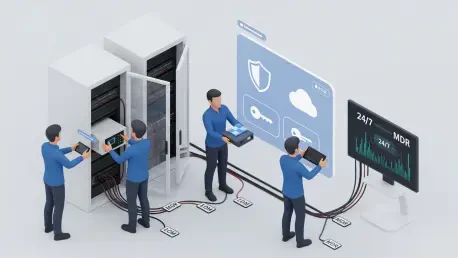
A year defined by speed, stealth, and shifting legal risk forced cyber insurers to tally record losses as threat actors pressed advantages in remote access, cloud mimicry, and privacy litigation even as traditional email defenses tightened. The 2026 InsurSec Report from At-Bay, drawing on more than