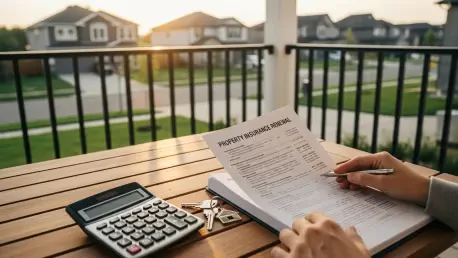

A typical homeowner opening an annual renewal notice today often finds a figure that fundamentally alters their financial outlook for the coming year. What used to be a secondary concern behind interest rates and property taxes has suddenly surged to the forefront of the American political consciousness, creating a high-stakes environment for candidates seeking office in the current 2026 midterm elections. Across the Sun Belt and increasingly in the Heartland, the skyrocketing cost of premiums is no longer just a localized issue for coastal residents but a pervasive national crisis affecting suburban and rural voters alike. This economic pressure has forced political strategists to rethink their platforms, as voters prioritize immediate relief from insurance burdens over traditional partisan talking points. The current landscape suggests that the ability of a candidate to offer a viable solution to this insurance volatility could be the single most important factor in determining the balance of power in Washington during this cycle.
Financial Crisis: Economic Pressures and Voter Sentiment
Market Erosion: The Impact of Rising Premiums on Household Stability
The financial strain placed on middle-class families by insurance companies has reached a critical tipping point that transcends traditional demographic boundaries. In many jurisdictions, homeowners are discovering that their annual insurance costs now exceed their property tax bills, a shift that has occurred with startling speed between early 2026 and the present day. This reality has stripped away the disposable income of millions, leading to a visible cooling of consumer spending in otherwise robust local economies. When voters head to the polls this November, they will be carrying the weight of these monthly invoices, often viewing the incumbent party as either the architect of their misery or an ineffective bystander. Political analysts have observed that the insurance vote is becoming a distinct and unpredictable block, as people who previously voted based on social issues are now prioritizing fiscal survival. This shift underscores a broader trend where the stability of the housing market is tethered directly to the viability of the private insurance sector.
Policy Reform: Legislative Proposals and the Quest for Stability
Candidates on both sides of the aisle are scrambling to develop comprehensive platforms that address the root causes of this insurance crisis without alienating the private sector. Some proposals focus on the creation of state-backed reinsurance programs designed to provide a safety net for smaller providers, while others advocate for stricter price controls and mandatory coverage requirements. The debate has moved beyond simple deregulation, as many conservative candidates now find themselves supporting government intervention to prevent a total market collapse in high-risk zones. Conversely, progressive candidates are emphasizing the need for public options and taxpayer-funded subsidies to help low-income residents maintain their policies. This ideological blurring indicates how desperate the situation has become, as the standard playbooks of both parties fail to provide a quick fix. Voters are remaining skeptical of broad promises, instead demanding detailed plans that provide a clear timeline for rate stabilization through the end of the decade.
Risk Management: Geographic Realignment and Structural Reform
Regional Shifts: The Expansion of Insurance Volatility Across State Lines
The geographical distribution of insurance distress is also redrawing the map of competitive districts, as areas previously considered safe for one party are now in play due to rising risk assessments. While Florida and California have long struggled with these issues, the expansion of extreme weather patterns has brought insurance volatility to the Heartland, affecting states like Iowa and Nebraska. This expansion means that the political fallout is no longer contained within a few swing states but is a nationwide phenomenon that could influence the majority in both the House and the Senate. State insurance commissioners, once obscure officials, are now being thrust into the limelight as voters demand accountability for every approved rate hike. The current 2026 campaigns have seen an unprecedented level of scrutiny regarding the relationship between insurance lobbyists and legislative bodies. This heightened awareness is forcing a new level of transparency in how risks are calculated and how those costs are distributed.
Systemic Solutions: Strategic Implementations for Market Stabilization
To address the systemic failures observed during the 2026 election cycle, stakeholders emphasized the necessity of a multifaceted approach to risk management. It was recognized that the integration of advanced satellite monitoring and artificial intelligence in risk modeling allowed for more precise underwriting, which slowly began to attract private capital back to dormant markets. Policymakers moved toward a hybrid model that combined private market efficiency with a federal backstop for catastrophic events, effectively capping the maximum loss for individual insurers. This shift encouraged the development of new financial instruments, such as catastrophe bonds, which diversified the risk pool and provided additional liquidity. Communities that prioritized localized mitigation projects, such as sea walls and fire-resistant urban planning, saw a measurable decrease in their premium trajectories compared to those that relied solely on federal disaster aid. These actions provided a clear roadmap for future administrations to balance economic growth with environmental reality.