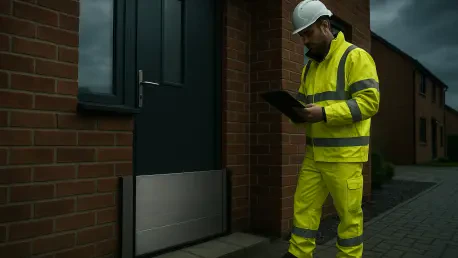

The rising frequency of extreme weather events has turned standard property assessments into an incomplete narrative, leaving millions of homeowners in the dark about their actual environmental liabilities. Transitioning from reactive disaster management to proactive mitigation requires a transparent system that identifies exactly how water might enter a specific building. This is the catalyst for the United Kingdom’s recent launch of Flood Performance Certificates, a system developed by the Department for Environment, Food and Rural Affairs in collaboration with Flood Re. These certificates act as a specialized diagnostic tool, evaluating a home based on its exposure to rivers and coastal surges, its physical construction characteristics, and its inherent resistance measures. Much like the energy ratings that have become standard in real estate, these new assessments provide a granular view of a building’s safety, ensuring that every stakeholder has access to a single source of truth regarding structural vulnerability across the nation.
Driving Resilience Through Actionable Data
Incentivizing Home Improvements: A Path to Safety
The core philosophy behind the implementation of Flood Performance Certificates lies in the belief that awareness is only the first step toward true security. By providing a clear, actionable roadmap for property improvements, the government aims to transform the way residents perceive flood risk. Instead of viewing environmental threats as inevitable disasters, homeowners are now equipped with a list of specific structural upgrades that can directly improve their property’s official rating. For example, installing self-closing air bricks or water-resistant flooring no longer remains an invisible investment; these measures are now formally recognized and cataloged within the certificate. This transparency creates a tangible incentive for individuals to invest in their own safety, as the benefits of these modifications are clearly reflected in a standardized performance score. This shift encourages a culture of responsibility, where the physical attributes of a building are optimized to withstand the increasing pressures of climate change.
Market Stability: Enhancing Insurance and Lending
Furthermore, the standardization of this data streamlines the entire property transaction process, from the initial listing to the final exchange of keys. When a buyer enters the market, they are often faced with vague flood maps that do not account for the specific resilience measures already integrated into a building. The Flood Performance Certificate removes this ambiguity by offering a verified assessment that remains with the property. This ensures that mortgage lenders and surveyors can make informed decisions based on the actual physical state of the building rather than generic regional data. By integrating these metrics into the financial ecosystem, the program fosters a sense of trust between all parties involved. This structured approach not only protects the buyer from unforeseen liabilities but also provides the seller with a platform to demonstrate the added value of their resilience investments. Consequently, the housing market becomes more robust, as properties are valued for their ability to provide long-term security.
Future-Proofing the National Housing Stock
Strategic Industry Partnerships: A Global Outlook
The success of the FPC initiative depends heavily on the collaborative efforts of various industry giants, including major insurers like Aviva and banking institutions such as Nationwide. These organizations have recognized that the period from 2026 to 2050 will be defined by an increasing need for climate adaptation strategies that can be scaled across entire populations. By participating in the development and rollout of these certificates, industry leaders are helping to ensure that the technical criteria used for assessment are both rigorous and practical for commercial application. This partnership is not merely about risk management; it is about future-proofing the economy against the inevitable shifts in global weather patterns. The consensus among these stakeholders is that resilience must be “recognized and rewarded” to catalyze the massive private investment required to protect the nation’s infrastructure. This collaborative framework serves as a model for how public policy and private enterprise can work together on complex issues.
Building Long-Term Climate Readiness
The influence of these certificates extends deep into the lending market, where mortgage providers are becoming increasingly sensitive to climate-related financial risks. Lenders are now looking for concrete evidence that their collateral is protected against environmental hazards that could compromise its long-term value. Properties with high ratings on their certificates are likely to benefit from more favorable mortgage terms, as the reduced risk of damage translates into a more secure investment for the bank. This financial reward system creates a powerful feedback loop: homeowners invest in resilience to lower their insurance and mortgage costs, which in turn increases the overall stability of the national housing stock. This systemic alignment of interests ensures that the financial sector remains a partner in climate adaptation rather than a barrier. As these practices become more common, the integration of environmental performance into financial modeling will likely become a global standard for the industry.
Social Equity and Operational Phasing
Protecting Vulnerable Communities
A critical dimension of the government’s strategy involves ensuring that flood resilience does not become a privilege reserved only for the wealthy. To this end, specific provisions have been integrated into the policy to support low-income households and renters who may lack the capital to invest in major structural modifications. Starting in April 2027, the government plans to implement significant reductions in insurance premiums for contents cover specifically for residents in Council Tax Bands A and B. By lowering these costs to approximately £25, the initiative ensures that even the most financially vulnerable citizens can afford a basic level of protection for their belongings. This social equity component is essential for maintaining community cohesion in the wake of environmental disasters, which often disproportionately affect lower-income areas. By providing a clear path toward risk reduction and financial protection, the policy aims to prevent a widening “resilience gap” between different socioeconomic groups in the nation.
Implementation Roadmap and Scalability
The rollout of the certificate program has been designed with a phased approach to allow for continuous learning and adaptation. Beginning with rigorous pilot programs in the most high-risk areas during 2026, the government and its partners have gathered valuable data on how these tools are used in real-world scenarios. These initial tests are crucial for refining the assessment criteria and ensuring that the certificates are easy for the average homeowner to understand and utilize. Over time, the program is expected to expand into a more comprehensive digital ecosystem, potentially featuring app-based self-assessment tools that allow for real-time updates as improvements are made. This focus on accessibility and ease of use ensures that the program remains a practical tool for all citizens, rather than a bureaucratic hurdle. By combining technological innovation with a commitment to social fairness, the initiative seeks to build a national culture of resilience that is inclusive, data-driven, and capable of evolving alongside future environmental challenges.
Establishing a National Standard for Resilience
The implementation of Flood Performance Certificates established a new baseline for how environmental risk was handled within the property sector. By moving beyond simple hazard mapping and into the realm of specific structural diagnostics, the initiative provided a clear path forward for homeowners and financial institutions alike. The primary takeaway from this rollout was the necessity of integrating physical resilience into the economic valuation of a property. For homeowners, the next practical steps involved conducting a thorough review of their current certificate ratings and identifying the most cost-effective upgrades that offered the highest return on safety. This often included simple measures like installing non-return valves on drainage pipes or raising electrical sockets above potential water levels. Industry professionals were encouraged to adopt these ratings as a standard part of their risk assessment protocols, ensuring that the benefits of resilience were fully realized across the insurance and mortgage markets.