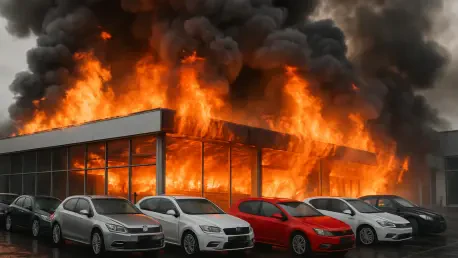

The thick plumes of black smoke rising over Barkhausen on March 10, 2026, served as a grim reminder of how quickly a thriving automotive business can be reduced to a skeletal remains of steel and soot. When the fire erupted at the Autoforum Wiegers workshop in Porta Westfalica, it did more than just disrupt local traffic and prompt emergency warnings for residents to seal their windows; it ignited a complex series of insurance challenges that are currently rippling through the North Rhine-Westphalia region. While the fire department successfully contained the hotspots without any reported injuries, the aftermath has left a multi-million-euro void in the dealership’s operational capacity. This incident highlights the precarious nature of automotive retail environments, where high-value inventory, volatile chemicals, and specialized diagnostic equipment create a high-stakes landscape for risk management. For stakeholders in the regional automotive sector, the focus has shifted from the initial emergency response toward the grueling process of loss assessment and the preservation of long-term business liquidity.
1. Initial Steps: Alerting Authorities and Securing the Site
The moment a fire is extinguished, the clock begins ticking on the recovery of capital, making it imperative to alert the insurance agent and broker immediately to initiate the formal claims process. Requesting an insurance adjuster to visit the location within the first twenty-four hours is a critical move that ensures the damage is documented before any environmental factors or necessary site clearing can alter the evidence. Professional loss adjusters provide the bridge between the policy language and the physical reality of the charred workshop, helping to clarify which aspects of the destruction fall under building coverage versus equipment or stock policies. In a high-value environment like a modern autohaus, delays in notification can lead to disputes regarding the origin of the fire or the extent of secondary damage caused by smoke and water. By establishing an open line of communication with the insurer right away, dealership owners can better navigate the complexities of their specific policy mandates and secure the necessary guidance for the next steps.
Securing the premises is the next vital priority to prevent further loss from theft, vandalism, or structural collapse while the investigation into the cause remains ongoing. Management must lock down the location and systematically take high-resolution photographs of every angle of the destruction, ensuring that the visual record is as comprehensive as possible. This documentation should be paired with the preservation of all receipts, service records, and security footage, as these digital and physical files serve as the primary evidence for the valuation of lost assets. Compiling a detailed inventory is equally necessary, specifically focusing on damaged machinery, car lifts, and expensive diagnostic tools that are essential for daily operations. Furthermore, a meticulous list of every vehicle on-site at the time of the blaze must be created, including Vehicle Identification Numbers and owner contact information. This ensures that the dealership can account for customer property and manage the liability associated with vehicles held under their care, custody, and control during the event.
2. Strategic Valuation: Assessing Damage and Managing Reputation
Accurate financial recovery depends heavily on the quality of the data provided to the insurance carrier, which necessitates obtaining a minimum of two independent estimates for all necessary repairs or equipment replacements. In the current economic climate of 2026, where specialized automotive tools and construction materials are subject to rapid price fluctuations, having multiple quotes provides a realistic baseline for negotiations. These estimates should not merely cover the cost of the hardware but also include the labor required for installation and the calibration of sensitive electronic systems. If the dealership relies on proprietary technology or specialized architectural features, finding contractors who understand these specific requirements is paramount. Relying on a single estimate can leave the business vulnerable to underfunding, especially if the insurer’s preferred vendors provide lower bids that do not account for the high standards of a premium automotive brand. This proactive approach to valuation helps ensure that the eventual settlement truly reflects the cost of returning to full operational status.
Beyond the physical assets, the survival of the business hinges on the careful tracking of all missed appointments and the resulting daily revenue drops that occur while the workshop is offline. Business interruption insurance is designed to bridge this gap, but it requires rigorous proof of loss that correlates historical performance with the sudden cessation of activity. Dealerships must be prepared to demonstrate how the fire directly impacted their bottom line, accounting for everything from canceled oil changes to lost sales leads that could not be serviced. Simultaneously, management must prioritize updating clients on expected wait times and the status of their vehicles to avoid a wave of frustration or formal legal complaints. Transparent communication acts as a form of reputational insurance, maintaining customer loyalty even when the physical facility is compromised. By being honest about the recovery timeline and offering alternative solutions, the dealership can mitigate the long-term brand damage that often follows a major operational disruption, ensuring that the customer base remains intact for the grand reopening.
3. Risk Reevaluation: Strengthening Safety and Insurance Limits
The scale of the Porta Westfalica incident serves as a catalyst for all regional dealerships to evaluate their current coverage limits against the soaring costs of construction and machinery. Many policies written in previous years may no longer be sufficient to cover a total loss in 2026, particularly given the increased complexity of modern automotive facilities. It is essential to account for seasonal inventory spikes, such as when a large shipment of new models arrives or when tire storage reaches its peak, as these fluctuations can easily exceed standard policy caps. Underinsurance is a silent threat that only becomes apparent during a major claim, often resulting in “co-insurance” penalties that further reduce the payout to the business owner. Periodically reviewing the sums insured with a professional risk consultant ensures that the policy keeps pace with the actual value of the assets on the ground. This evaluation should also consider the “extra expense” coverage, which pays for temporary relocation or outsourcing costs that are vital for maintaining some level of service.
In addition to financial protections, dealerships must stiffen their physical safety protocols to prevent future occurrences, especially during high-heat tasks like welding, grinding, or plasma cutting. Overseeing external contractors more closely is another necessary step, as third-party workers are often involved in incidents that lead to accidental ignitions. Improving daily cleaning habits to eliminate the buildup of flammable oily rags and chemical residues can significantly lower the risk of a flash fire. A specific focus must be placed on isolating battery charging and storage areas, which has become a primary concern with the ubiquity of electric and hybrid vehicles in 2026. Upgrading fire sensors and installing modern firewalls can provide the extra seconds needed for emergency crews to respond before a small fire becomes a total loss. Verifying that alarm systems are working correctly and are directly linked to the local fire department or a professional monitoring service is a fundamental requirement that should never be overlooked during routine safety audits.
4. Operational Continuity: Personnel Training and Business Partners
The human element of fire safety is just as important as the mechanical systems, requiring a concerted effort to educate every employee on how to evacuate safely and manage chemical leaks. Staff members should be familiar with the location of all fire extinguishers and understand the specific types of fires they are designed to combat, such as electrical or chemical blazes. Regular drills ensure that when an actual emergency occurs, the response is instinctive rather than panicked, potentially saving lives and reducing the extent of the property damage. Furthermore, maintaining up-to-date maintenance logs for all shop equipment and scheduling regular electrical system checks can identify potential ignition sources before they fail. A culture of safety starts with the leadership but must be embraced by every technician on the floor to be truly effective. When employees feel empowered to report a frayed wire or a blocked fire exit, the overall risk profile of the dealership improves, which can also lead to more favorable terms from insurance underwriters during the annual renewal process.
Finally, a robust business continuity plan must include the identification of vital business partners and the establishment of backup agreements with neighboring garages. These mutual aid arrangements allow a dealership to continue serving its clients even during a total shutdown of its own workshop, preventing the permanent loss of a customer to a competitor. Whether it involves renting a few bays from a friendly rival or outsourcing specialized diagnostic work to a nearby partner, these pre-arranged solutions provide a lifeline that keeps the revenue flowing. Ensuring that the dealership can still honor warranties and perform urgent repairs is key to maintaining market share during the months required for a full rebuild. This collaborative approach within the local automotive community not only provides practical relief but also strengthens the resilience of the entire regional supply chain. By thinking ahead and securing these partnerships before a crisis occurs, a dealership transforms from a vulnerable entity into a resilient organization capable of weathering even the most devastating physical setbacks.
The Porta Westfalica fire provided a stark lesson in the necessity of proactive risk management and the value of a disciplined insurance strategy. Regional dealerships that successfully navigated this period of instability focused heavily on immediate documentation and the transparent management of customer expectations. The most effective responses involved a combination of rigorous financial tracking and the rapid deployment of alternative service models through local partnerships. In the months following the blaze, many organizations updated their safety protocols to include specialized protocols for battery handling and modern diagnostic equipment. These measures significantly reduced the likelihood of recurring incidents while simultaneously improving the underwriting profile for the entire local automotive sector. Business owners who treated the recovery process as a strategic overhaul rather than a simple repair job were the ones who emerged with stronger operations. By integrating these lessons into daily workflows, the industry in North Rhine-Westphalia successfully fortified itself against future disruptions, ensuring a more stable environment for both investors and customers.