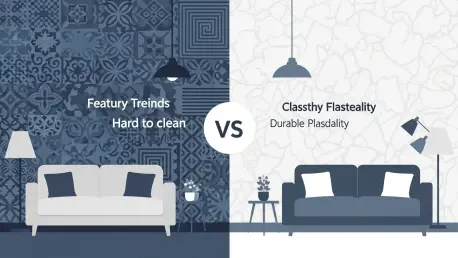

A comprehensive analysis of a new study has unearthed a burgeoning and problematic trend among homeowners in which renovation decisions are increasingly driven by aesthetics prioritized over fundamental practicality and long-term functionality. This movement, largely fueled by the pervasive influence of social media and the relentless pursuit of “picture-perfect” interiors, is leading to a host of unforeseen and negative consequences. These outcomes range from the significant devaluation of properties and the creation of future maintenance nightmares to severe complications with home insurance claims, turning what should be a rewarding home improvement project into a potential financial catastrophe. The core of this issue lies in a profound shift in homeowner priorities, where the crucial, often unglamorous aspects of structural integrity and routine upkeep are being sidelined in favor of fleeting cosmetic upgrades designed for maximum visual impact online rather than for durable, everyday living.
The Data Behind the Decision-Making
Neglecting the Necessities for Visual Appeal
Recent research has brought to light a significant shift in homeowner behavior, revealing a troubling tendency to neglect essential, routine maintenance in favor of cosmetic upgrades that enhance visual appeal. Findings from the Allianz Home Care Report provide stark data to support this observation, indicating that a substantial two in five, or 40%, of homeowners confess to a “set it and forget it” attitude toward home maintenance. This hands-off approach places their properties at a much higher risk of preventable damage that can escalate into costly repairs over time. The data further shows that this is not a passive oversight but an active choice for many. A significant 39% of homeowners openly admit that they prioritize the visual appeal of their homes above other factors, while 35% focus on adding personal touches, often at the direct expense of critical structural upkeep. This paradigm shift underscores a move away from viewing a home as a long-term asset requiring diligent care and toward seeing it as a canvas for personal expression, sometimes with dire financial consequences.
The influence of digital culture on these decisions cannot be overstated, as the same report found that the allure of a curated online presence is directly shaping property management. Approximately 24% of homeowners stated that social media directly impacts how they manage their properties, while a concerning 15% admitted they consciously choose aesthetics over long-term maintenance needs. This indicates that a significant portion of the population is making renovation and maintenance decisions based not on the practical needs of the structure, but on the perceived social value of a visually appealing space. The constant stream of idealized interiors on platforms like Instagram and Pinterest creates a competitive environment where the immediate gratification of a beautiful photo outweighs the less glamorous, yet far more critical, tasks of checking for leaks, clearing gutters, or ensuring the roof is in good repair. This prioritization of style over substance is creating a generation of homes that may look immaculate on the surface but are potentially riddled with underlying issues that threaten their stability and value.
The Influence of Picture-Perfect Inspiration
Interior designer Rebecca Cardamone of Ace Properties Agency elaborates on this phenomenon, noting that the immense pressure homeowners feel to create a “wow factor” frequently causes them to overlook practical necessities that are fundamental to a functional living space. She points out that while social media platforms are saturated with images of beautiful homes, they almost never delve into the crucial aspects of functionality, practicality, or adherence to mandatory building standards. This one-sided presentation of home design creates an incomplete and often misleading picture for aspiring renovators, who may be inspired to replicate a look without understanding the technical and regulatory requirements behind it. This gap in knowledge is further compounded by the recent rise of AI-generated inspiration images. These digitally created visuals often depict unrealistic designs, imaginative layouts, or plumbing configurations that are not feasible or compliant with building codes, setting homeowners on a path toward costly and non-compliant construction projects that may need to be entirely redone.
The danger of this digital inspiration lies in its detachment from reality. AI can generate an image of a sleek, minimalist bathroom with no visible drains or a kitchen with a floating island that defies physics, but it does not account for plumbing codes, structural support, or ventilation requirements. Homeowners, captivated by these flawless renderings, may bring these ideas to builders and designers, only to discover that they are impossible or prohibitively expensive to execute safely and legally. This can lead to significant disappointment and wasted resources. Moreover, the focus on achieving a specific, often transient aesthetic can lead to poor long-term decisions. For example, a design that prioritizes open-plan living might neglect to account for acoustics or heating efficiency, resulting in a home that is beautiful to look at but uncomfortable to live in. The constant pursuit of the “perfect” image is overshadowing the essential goal of creating a home that is safe, durable, and suited to the practical needs of its inhabitants for years to come.
Common Renovation Traps to Avoid
Trendy Choices with Long-Term Consequences
This intense focus on fleeting trends over timeless practicality creates several “traps” for unsuspecting homeowners. Ms. Cardamone warns that interior “fashion,” much like clothing fashion, can quickly become dated, which in turn can harm a property’s appeal and overall value in the long run. A design that is considered cutting-edge today may be viewed as outdated and undesirable in a decade, whereas classic, well-considered choices tend to retain their value more effectively. One specific example of a problematic trend is the complete removal of bathtubs. While spacious, walk-in double showers are currently popular for their spa-like feel, eliminating a bathtub from a home can significantly deter potential buyers down the line, especially families with young children who often consider a bath an essential feature. This single decision, driven by a current aesthetic preference, can directly and negatively impact the property’s future resale value by narrowing its pool of potential buyers and making it less competitive on the market.
Other trendy yet troublesome choices can create significant maintenance and financial headaches. The trend of concealing a toilet’s cistern within the wall cavity, for instance, achieves a sleek, minimalist look but presents a practical nightmare for future repairs. This design choice makes access for maintenance incredibly difficult and expensive. A simple, low-cost fix for a standard toilet, such as replacing a faulty valve, can escalate into a major project involving drywall removal, tile replacement, and significant plumbing costs when the cistern is hidden from view. Similarly, the installation of high-maintenance materials without a homeowner’s full commitment to their upkeep can backfire spectacularly. Using natural stone countertops that stain easily or exterior timber cladding that requires frequent repainting can lead to a deteriorated appearance and costly repairs if the homeowner is not prepared for the required maintenance, turning a beautiful feature into a source of constant stress and expense.
The Hidden Financial and Insurance Dangers
Beyond devaluing a property or creating maintenance headaches, this trend of prioritizing style poses serious insurance and financial risks. Luke Whenman, Allianz’s chief claims officer, emphasizes that homeowners often fail to consider the insurance implications of their renovation choices, a costly oversight. He advises that neglecting the “boring” but essential aspects of homeownership can have severe financial repercussions. Most home insurance policies contain a general exclusion for “wear and tear,” meaning they may not cover damage that results from gradual deterioration caused by a lack of maintenance. Issues like failing mortar in brickwork, aging roof tiles that lead to leaks, or rotting window frames are typically considered the homeowner’s responsibility. Delaying these small but critical maintenance tasks can allow them to escalate into major, expensive repairs that insurance will ultimately not cover, leaving the homeowner with a substantial bill that could have been avoided with proactive care.
Furthermore, prioritizing style over compliance can lead directly to the denial of insurance claims, a devastating outcome for any homeowner. Mr. Whenman outlines several common scenarios where a claim could be rejected outright. These include situations where the homeowner fails to notify their insurer before commencing any building work, if the renovation does not meet mandatory building codes and standards, or if the damage is found to have been caused by poor or unlicensed workmanship. This is particularly relevant for first-time homebuyers who, in an attempt to achieve a stylish look on a limited budget, may be tempted to “cut corners” by forgoing proper permits or hiring unlicensed professionals. Such decisions, while seemingly cost-effective in the short term, can result in non-compliant work, a voided insurance policy, and a potential financial disaster if something goes wrong during or after the renovation. The dream of a beautiful home can quickly sour when a homeowner discovers their insurance safety net has been compromised by their own choices.
A Foundation for Lasting Value
To avoid these pitfalls, experts urge homeowners to adopt a more holistic and forward-thinking approach to their renovation projects. Before any work begins, homeowners should be advised to analyze their plans through a “maintenance lens,” thinking beyond the immediate design appeal and considering the long-term upkeep and durability of their choices. It is deemed critical to inform insurance providers before any work commences and to prioritize essential checks on high-risk items like flexible water hoses and waterproofing in wet areas. By focusing on quality workmanship, adhering strictly to building codes, and choosing functional, classic designs over temporary trends, homeowners can better protect their investment. This strategic mindset ensures their safety and helps them avoid turning their dream renovation into a costly and uninsured nightmare, building a foundation of lasting value rather than a facade of fleeting style.