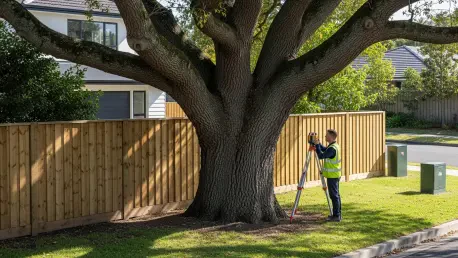

A towering oak tree or a sprawling willow may provide aesthetic value to a suburban property, but these natural landmarks frequently transform into the focal point of bitter legal battles between neighbors who disagree on the boundaries of their botanical rights. Current surveys indicate that over half of homeowners have encountered some form of conflict regarding overhanging branches, invasive root systems, or debris falling from adjacent lots. While these disagreements might seem trivial initially, the financial consequences are increasingly severe due to strict local ordinances protecting specific species and the soaring costs of certified arborists. Standard homeowners insurance policies typically only trigger coverage when physical damage to a dwelling occurs, leaving a massive liability gap for residents who find themselves served with an injunction or a demand for compensation. Consequently, supplemental legal expenses insurance has become a critical tool for those attempting to navigate property law without exhausting their personal savings on attorney fees.
Performance Obstacles and Regulatory Scrutiny
Part 1: The “Prospects of Success” Hurdle
Industry performance metrics for legal expenses insurance have reached a critical point of concern for financial watchdogs who monitor the efficacy of consumer protection products. Recent data indicates that home legal cover is among the lowest-performing add-on services, with nearly half of all claims being summarily rejected by providers upon initial review. This rejection rate has sparked a wave of formal complaints that far exceeds the average volume seen in broader property and casualty sectors. Regulators are now applying intense pressure on insurers to demonstrate that these policies offer “fair value,” a metric that assesses whether the benefits received by the policyholder are truly proportionate to the premiums paid. In cases involving tree disputes, many homeowners are shocked to find that their coverage does not automatically entitle them to a lawyer, especially when the insurer deems the specific facts of the boundary disagreement to be legally insufficient for a successful defense in a court of law.
Part 2: Regulatory Data and Fair Value Concerns
The core of the tension lies in the “prospects of success” clause, a standard provision that functions as a gatekeeper for funding legal action or defense. Insurers typically require a minimum 51% chance of a favorable outcome in court before they will release funds for litigation or professional representation. This clinical evaluation often clashes with the emotional reality of property owners who feel an inherent sense of justice regarding their land rights. When a provider determines that a neighbor’s complaint about invasive root damage is legally robust while the policyholder’s defense is weak, the claim is denied, leaving the homeowner vulnerable despite years of premium payments. This disconnect creates a perceived failure of the insurance product, as consumers often purchase legal cover under the impression that it acts as a universal retainer for any property-related dispute. The resulting frustration underscores a fundamental misalignment between legal risk assessment and residents.
Bridging the Consumer Knowledge Gap
Part 1: Enhancing Broker Transparency and Legal Literacy
A profound lack of legal literacy regarding property rights continues to drive high claim volumes and subsequent disappointment within the residential insurance market. Many homeowners remain unaware of the specific limitations governing their actions, such as the common misconception that any branch hanging over a fence can be removed without prior consultation or environmental clearance. In many jurisdictions, unauthorized pruning of a protected species can result in criminal penalties or massive civil liabilities that far outweigh the cost of the original tree maintenance. Furthermore, disputes over falling fruit or the natural shedding of leaves often stem from a misunderstanding of what constitutes a “nuisance” under the law versus what is considered a normal natural process. These knowledge gaps lead individuals to initiate or resist legal actions based on flawed assumptions, which inevitably triggers the “prospects of success” clause and results in a denial of coverage when the legal merits are found to be lacking in substance.
Part 2: Future Strategies for Conflict Resolution
To resolve the persistent tension between policyholders and providers, the insurance industry implemented several structural changes that improved the delivery of legal services. Organizations shifted toward providing mandatory pre-claim mediation sessions, which allowed homeowners to settle tree disputes through professional negotiation before a formal legal assessment was even required. Brokers were instructed to issue detailed disclosure documents that highlighted the “prospects of success” criteria in plain language, ensuring that clients understood the likelihood of coverage for common boundary issues. Furthermore, the integration of digital mapping tools and arborist databases enabled insurers to provide more accurate risk assessments at the point of sale. These proactive measures successfully reduced the volume of rejected claims and increased the transparency of the product. Homeowners who documented property boundaries and maintained regular communication with neighbors found that they could leverage their policies more effectively when conflicts arose.