
Providing proof of recent wildfire mitigation inspections and permit records for roofing can prevent a mortgage application from being rejected due to high insurance premiums. In the current Southern California real estate market, the traditional hurdles of home inspections and price negotiations have been eclipsed by a more formidable obstacle: the availability and cost of homeowners insurance. Prospective buyers frequently navigate the initial stages of a purchase with optimism, only to encounter a wall of resistance during the final weeks of escrow when seeking coverage. This phenomenon has transformed the landscape of property transactions from Ventura to San Diego, where even suburban neighborhoods far from the immediate brush line are being reclassified as high-risk zones. The sudden surge in premiums or the outright denial of coverage by major admitted carriers has introduced a level of volatility that previously characterized only the most remote mountain retreats. Consequently, the insurance quote has become the silent deal-killer, often arriving too late for buyers to adjust their financing or for sellers to rectify perceived vulnerabilities.
1. The Rapid Expansion of Last Resort Insurers
The Structural Shift in Property CoverageThe transition of the California FAIR Plan from a specialized safety net to a primary insurer for thousands of homeowners marks a significant structural change in the state’s economic fabric. Originally intended as a temporary solution for properties in extreme wildfire zones, the plan has seen its enrollment numbers skyrocket. Between the start of the previous fiscal cycle and the current period beginning in 2026, the number of dwelling policies has surged from roughly 200,000 to over 620,000. This growth indicates that risk assessment models used by private corporations have fundamentally shifted, moving beyond the obvious high-risk canyons into ordinary suburban blocks. Properties that were once considered safe bets for traditional insurers are now being pushed into the insurer of last resort, which carries significant implications for market liquidity. As admitted carriers retract their footprints to maintain solvency and limit exposure to catastrophic events, the FAIR Plan is no longer a niche product but a central component of the Southern California housing market.
2. Financial Underwriting and the Debt Ratio Crisis
The Complexity of Modern Policy RequirementsNavigating the FAIR Plan requires a sophisticated understanding of insurance products, as it provides only a basic level of protection against fire and specific named perils. Unlike standard comprehensive policies, it lacks coverage for liability, theft, or water damage, necessitating the purchase of a secondary difference-in-conditions policy to bridge the gap. This dual-policy requirement effectively doubles the administrative burden and significantly increases the financial cost for the homeowner. For many buyers, the combined premiums of these two policies can derail a mortgage application by skewing the debt-to-income ratio beyond the limits permitted by institutional lenders. Even if a buyer is willing to absorb the higher cost, the lender may determine that the increased monthly payment makes the loan unviable according to federal underwriting guidelines. This financial friction often surfaces deep into the contingency period, leaving both parties with limited options and often resulting in the termination of a contract.
3. Hardening Assets and Verifiable Documentation
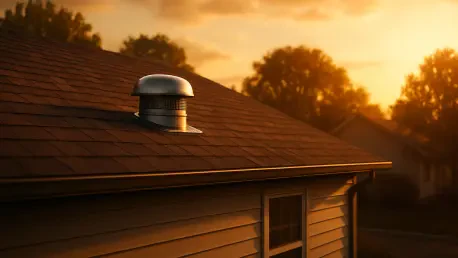
Proactive Mitigation and Seller ResponsibilityProactive measures taken before a home is ever listed have become essential in the current environment to ensure a smooth closing process. Relying on an estimate from a general online tool is no longer sufficient; instead, obtaining an actual quote from an agent familiar with local underwriting trends provides a realistic baseline for both the seller and potential buyers. This early discovery phase allows homeowners to address specific concerns that might be triggering high premiums or denials, such as clearing brush to create defensible space or upgrading to ember-resistant vents. Documenting these improvements with photographic evidence and official receipts creates a comprehensive insurance binder that can be presented to interested parties. Such transparency not only builds trust but also equips the buyer’s lender with the necessary data to approve the insurance component of the loan early in the process. While many sellers invest heavily in staging, the most effective preparation involves gathering technical documentation.
4. Strategic Long-Term Market Stabilization Efforts
Adaptive Real Estate Practices for the FutureThe transition to a more difficult insurance environment required a shift in how Southern California real estate was bought and sold. Successful participants in this market adopted a strategy of extreme transparency and technical preparation. Stakeholders recognized that the traditional methods of marketing homes were no longer sufficient without addressing the underlying financial risks posed by climate-related factors. By integrating insurance verification into the earliest stages of the sales cycle, agents and homeowners minimized the risk of late-stage cancellations. Looking forward, the emphasis on property hardening and detailed record-keeping provided a roadmap for stabilizing the market. These actions transformed the insurance hurdle from a deal-killer into a manageable component of the due diligence process. Ultimately, the industry learned that addressing coverage issues through physical mitigation and early documentation was the most effective way to protect property values while maintaining the viability of local homeownership.