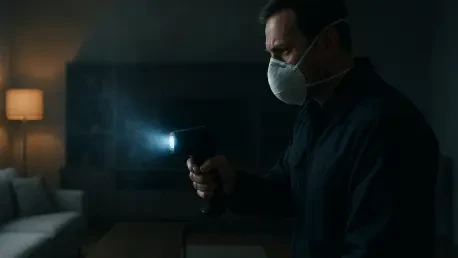

Major insurance providers are increasingly exiting high-risk markets or imposing more restrictive terms as extreme weather events become more frequent and costly. This reality has transformed the traditional safety net of homeownership into a complex game of strategic calculation, often referred to by policyholders as insurance roulette. In regions like Washington state, where wildfires have become a seasonal threat, homeowners find themselves in a precarious position even when their primary structures remain standing. The immediate relief of surviving a disaster is frequently replaced by the daunting realization that secondary damage, such as smoke infiltration and scorched timber, presents a secondary crisis. Many individuals now hesitate to report these issues, fearing that a claim today could result in a total loss of coverage tomorrow. This shift reflects a fundamental change in the social contract between insurers and the insured, where the fear of being dropped outweighs the desire for reimbursement.
Technical Barriers: Proof of Loss and Sublimits
Proving damage that cannot be seen with the naked eye remains one of the most significant hurdles for homeowners seeking remediation after a nearby disaster. While charred walls are indisputable, smoke particles and chemical residues embedded in insulation or ductwork require a high level of technical substantiation. Insurance adjusters often rely on basic visual inspections, which may fail to detect lingering toxins that compromise air quality and long-term health. Consequently, policyholders are frequently forced to hire independent industrial hygienists to conduct forensic testing, an out-of-pocket expense that can cost thousands of dollars without a guarantee of reimbursement. Without such professional documentation, claims for smoke damage are often denied or severely undervalued, leaving residents to manage the cleanup costs themselves. This gap between perceived coverage and the reality of the claims process highlights the growing importance of scientific data in modern property disputes.
Landscape coverage presents another layer of financial frustration, as standard policies often contain strict sublimits that bear little relation to the actual costs of arboriculture and debris removal. For instance, a policy might cap payouts for fallen or damaged trees at a mere $1,000 per incident, a sum that is quickly exhausted when dealing with 90-foot conifers or mature hardwoods. The logistical complexity of removing scorched trees before they collapse onto a dwelling often requires specialized heavy machinery, such as industrial cranes and professional climbing crews. These operations can easily exceed five figures, yet insurers frequently categorize such expenses as secondary or preventative maintenance rather than covered losses. When homeowners realize that their potential payout will only cover a fraction of the actual restoration cost, the risk of a premium hike or policy cancellation starts to look like a poor trade for minimal financial assistance.
Strategic Decisions: Proactive Risk Management
Homeowners who successfully navigated these hurdles prioritized professional assessments before ever contacting their insurance carriers. By hiring independent experts to evaluate the true scope of damage, residents avoided filing low-value claims that might have otherwise flagged their accounts for non-renewal. This strategy allowed individuals to identify whether a loss truly exceeded their deductible by a margin wide enough to justify the long-term risk of a premium increase. Documentation became the primary tool for defense, as detailed reports from certified arborists and industrial hygienists provided the necessary leverage to challenge initial lowball offers from adjusters. Those who maintained a meticulous record of property maintenance also found themselves in a stronger position when negotiating terms, as they could prove that the damage was solely the result of the recent event rather than pre-existing conditions. These proactive measures transformed the insurance process from a gamble into a calculated business decision.
Future-proofing residential properties involved more than just financial planning; it required a commitment to physical resilience that reduced the likelihood of filing claims altogether. Forward-thinking owners invested in fire-resistant landscaping and advanced air purification systems that mitigated the impact of secondary disaster effects. By lowering the overall risk profile of their dwellings, these individuals made their properties more attractive to the few insurers remaining in high-stakes markets. Additionally, clear communication with agents regarding policy sublimits and reporting deadlines helped clarify the exact boundaries of coverage before a crisis occurred. The shift toward self-insurance for minor repairs emerged as a necessary compromise to ensure that catastrophic protection remained intact. Ultimately, the lessons learned from recent environmental challenges underscored the importance of viewing insurance as a catastrophic safety net rather than a comprehensive maintenance plan for every minor incident.