
The critical interaction between an insurer and a policyholder, often occurring during a time of significant personal distress, has long been defined as the industry’s “moment of truth,” and for decades, this moment has been managed almost entirely by human hands. Now, a profound technological shift is underway, compelling the insurance sector to re-evaluate this cornerstone of its customer relationship. Driven by accelerating demographic changes and an inexorable rise in claim volumes, life insurers are moving away from historically manual and often cumbersome claims processes. This evolution is not merely about incremental efficiency gains; it’s a fundamental rethinking of how claims are handled, with artificial intelligence positioned at the very center of the transformation. As a result, technology platforms are increasingly being scrutinized not just for their processing power but for their ability to navigate the complex, often emotional, landscape of a life insurance claim with both precision and a semblance of the human touch it has always required.
The Dawn of Intelligent Claims Automation
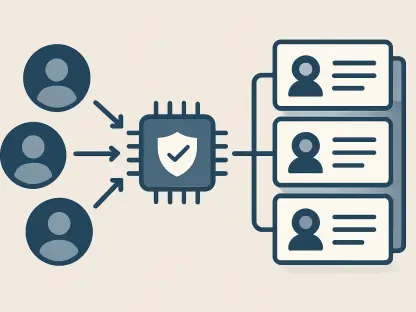
The ongoing technological metamorphosis within the insurance industry is moving far beyond rudimentary automation into the realm of sophisticated, AI-driven decisioning. Modern claims administration systems are now being engineered to manage the entire lifecycle of a claim, from the initial submission and data intake to the final adjudication and settlement. This end-to-end orchestration is made possible by a confluence of AI, advanced analytics, and configurable business logic. These platforms can intelligently process vast amounts of unstructured data from various documents, validate information against policy details, and automatically trigger the next steps in the workflow. For an industry that has long been encumbered by legacy systems and paper-based processes, this represents a monumental leap. The ability to configure complex benefit calculations and decisioning rules ensures that automation can be tailored to specific products and regulatory environments, addressing the historical challenge of one-size-fits-all solutions that failed to capture the nuances of claims processing.
This technological advancement fundamentally redefines the role of the human claims adjuster, shifting their focus from mundane administrative tasks to high-value strategic intervention. The integration of AI into claims platforms is designed to augment, not replace, human expertise. By automatically surfacing critical information, flagging potential fraud, and handling routine correspondence, the technology empowers adjusters to dedicate their time to the most complex and sensitive cases that demand nuanced judgment and empathy. A crucial component of this new paradigm is the insistence on full auditability. Every automated decision and action is tracked and recorded, providing a transparent and verifiable trail for compliance and review. This ensures that while processes are streamlined and accelerated, the integrity and accountability central to the claims “moment of truth” are meticulously preserved, fostering trust in the technology among both insurers and policyholders.
Navigating a Balanced Technological Future
As the life insurance sector continues its push toward modernization, the conversation has increasingly turned to finding a sustainable equilibrium between automation and human oversight. Industry leaders advocate for a measured approach, particularly with the integration of powerful new tools like Generative AI. The consensus is that successful implementation hinges on creating a symbiotic relationship where technology handles the systematic and data-intensive aspects of a claim, while humans manage the elements requiring empathy, complex ethical considerations, and final judgment. This requires automation platforms built with structured decision support and clearly defined handoffs for human review. Such a framework ensures that while the system can manage complexity with consistency and accuracy, control is never fully ceded, allowing for essential human intervention at critical junctures of the claims process. This balanced strategy is seen as the key to harnessing the full potential of AI without sacrificing the trust that underpins the insurer-policyholder relationship.
This strategic shift toward automation in the claims department marks a significant departure from the industry’s traditional investment patterns. For many years, insurers prioritized technology spending on new business acquisition and underwriting, often leaving claims administration reliant on outdated, manual systems. According to analysis from research firm Celent, this historical underinvestment is now being corrected out of necessity. The external pressures of a changing demographic landscape and the sheer volume of incoming claims have made the status quo untenable. Insurers are now actively seeking out advanced automation and AI solutions not just for efficiency, but as a strategic imperative to maintain service quality and competitive standing. This industry-wide pivot reflects a broader understanding that the claims experience is a crucial differentiator and a vital opportunity to deliver on the fundamental promise made to every policyholder.
A New Foundation for Trust
The industry’s concerted move toward intelligent automation in claims processing represented a pivotal moment in its evolution. It was driven by the recognition that legacy systems could no longer meet the demands of a rapidly changing world. By embracing technologies that balanced algorithmic efficiency with human-centric design, insurers began to build a new foundation for the “moment of truth.” The successful platforms were those that provided structured support for adjusters, maintained transparent audit trails, and ensured that the most critical decisions remained subject to human judgment. This strategic integration of AI did more than just accelerate workflows; it ultimately reinforced the core mission of insurance by enabling a more consistent, accurate, and responsive claims experience for policyholders during their time of greatest need.