
The global insurance industry is currently grappling with a transformative crisis as fraudulent activities transition from sporadic operational nuisances into a highly coordinated, multi-billion-dollar criminal enterprise. As of early 2026, the scale of these deceptive practices has reached unprecedented levels, fundamentally threatening the stability of financial markets and placing a massive, often invisible, financial burden on the general public. This “fraud tax” is no longer a theoretical concern; research indicates it costs average American policyholders roughly $900 in additional annual premiums across various insurance types. From sophisticated Medicare discrepancies to complex property and casualty losses, the economic impact is staggering, turning what was once a series of isolated incidents into a structural crisis that demands a complete overhaul of industry-wide security protocols and risk assessment strategies.
Financial Impact and Traditional Categorization
The Economic Toll: Quantifying a National Crisis
The financial consequences of modern insurance fraud are immense, with annual losses in the United States now exceeding $300 billion, a figure that continues to climb as digital tools become more accessible to bad actors. This systematic drain on the national economy does more than just hurt the bottom line of massive corporations; it actively inflates the cost of living for every citizen by driving up the price of essential services and protection. For instance, the property and casualty sector frequently observes fraudulent activity in approximately ten percent of all reported losses, creating a ripple effect that touches everything from auto insurance to homeowner policies. The sheer volume of these losses suggests that the industry is facing a professionalized opponent that views fraud not as a crime of opportunity, but as a high-margin business model. This environment forces carriers to divert significant capital away from innovation and toward the continuous funding of investigative units and litigation.
Beyond the immediate loss of capital, the secondary effects of this economic toll manifest in the form of reduced market competition and increased scrutiny for honest claimants. When insurers are forced to compensate for billions in lost revenue, they often tighten their underwriting criteria, making it more difficult for high-risk but honest individuals to obtain affordable coverage. This creates a cycle where the actions of a few criminals dictate the financial reality for the majority of the population. Furthermore, the administrative costs associated with processing potentially fraudulent claims add another layer of expense, as every flag requires manual review by specialized investigators. This operational friction delays legitimate payouts and erodes the trust that is fundamental to the relationship between the insurer and the insured. The current situation in 2026 demands a shift in perspective, recognizing that fraud is a primary driver of inflation within the financial services sector that requires an aggressive, data-driven response to mitigate.
Classifying Deception: The Blurring Lines of Fraud
The National Association of Insurance Commissioners has traditionally divided fraud into “soft” and “hard” categories, yet the complexities of 2026 have made these definitions increasingly difficult to apply in isolation. Soft fraud is typically characterized as opportunistic, involving the exaggeration of a legitimate claim, such as a homeowner inflating the value of stolen property to cover a deductible. In contrast, hard fraud involves the deliberate fabrication of an entire loss, such as staging a vehicle accident or reporting a theft that never occurred. While these definitions served their purpose in a less connected era, the modern landscape features organized networks that utilize corporate-level efficiency to execute large-scale, complex schemes. These operations often involve a sophisticated hierarchy of recruiters, medical professionals, and legal intermediaries who work in tandem to create a veneer of legitimacy for entirely fabricated events, making it nearly impossible to distinguish between a simple exaggeration and a calculated criminal plot.
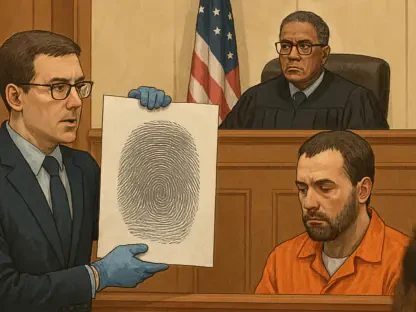
This evolution toward organized fraud is best illustrated by the rise of “trip-and-fall” rings that have recently plagued major metropolitan areas like New York. These schemes involve more than just a faked injury; they are integrated business models where participants are incentivized to undergo invasive, unnecessary medical procedures to maximize the potential legal settlement. The involvement of corrupt professionals adds a layer of complexity that traditional detection methods struggle to penetrate. Because these claims are backed by actual medical records and legal filings, they do not trigger the same red flags as a simple fabricated receipt. The blurring of lines between soft and hard fraud suggests that the industry must move toward a more holistic model of detection that looks for patterns of collusion rather than isolated instances of dishonesty. As these networks become more adept at mimicking legitimate claimant behavior, the challenge for insurers is to develop systems that can identify the subtle fingerprints of organized crime hidden within a sea of standard documentation.
The Dual Nature of Artificial Intelligence
The Defensive Shield: AI as a Guardian of Integrity
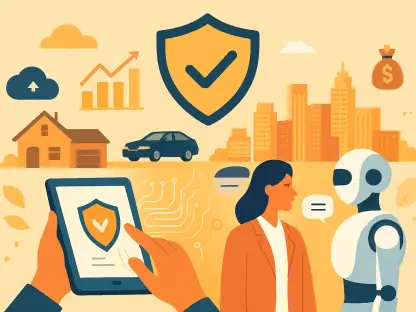
Artificial intelligence serves as a powerful defensive shield, providing insurers with the high-velocity processing capabilities required to monitor millions of transactions for subtle signs of illicit activity. On this defensive front, machine learning algorithms and predictive models are being integrated into core operations to analyze massive datasets that would be impossible for human teams to navigate alone. These systems can flag suspicious patterns in real-time, such as a single address being linked to multiple disparate claims or a specific medical provider appearing with unusual frequency across unrelated policies. By automating the initial stages of detection, Special Investigative Units can focus their limited resources on high-probability cases, significantly increasing the efficiency of their interventions. This proactive approach allows companies to stop fraudulent payments before they are issued, shifting the strategy from “pay and chase” to a more effective model of “detect and prevent” that protects the company’s solvency.
Furthermore, the implementation of AI-driven underwriting tools enables insurers to assess risk with a level of precision that was previously unattainable. By incorporating non-traditional data sources and analyzing historical claim behaviors, these models can identify “red flag” behaviors at the very beginning of the policy lifecycle. For example, behavioral biometrics can analyze how a user interacts with a digital application, identifying hesitations or patterns that correlate with deceptive intent. This granular level of analysis helps create a more resilient ecosystem where fraudulent actors are filtered out before they even have the chance to file a claim. However, the effectiveness of these defensive shields relies on continuous updates and the sharing of data across the industry. As of 2026, the focus has shifted toward collaborative AI environments where multiple carriers contribute anonymized data to a central repository, allowing for the detection of cross-company fraud rings that would otherwise remain hidden from individual investigative teams.
The Criminal Weapon: The Sophistication of AI-Enabled Fraud
Conversely, the same technological progress that empowers insurers is providing bad actors with sophisticated tools to automate and scale their criminal operations. Large language models, particularly those operating without the ethical guardrails found in mainstream products, allow fraudsters to generate highly convincing phishing content and maintain long-term digital deceptions with minimal effort. This has led to a surge in synthetic identity fraud, where criminals blend stolen personal data, such as real Social Security numbers, with fabricated information to create entirely new digital “people” who do not exist. These digital ghosts can pass through traditional verification checks with ease, as they possess enough legitimate data to appear authentic to standard credit and identity monitoring systems. Once these identities are established, they are used to open accounts, secure policies, and file claims that are exceptionally difficult to trace back to a real person, allowing for high-volume fraud with low risk of discovery.
The use of AI for “ghost brokering” represents another dangerous frontier, where criminals use advanced generative tools to create professional-looking websites and marketing materials to sell fake insurance policies to unsuspecting victims. These victims often believe they are purchasing legitimate coverage from a reputable brand, only to discover they are completely uninsured when they attempt to file a claim following an accident or loss. By the time the fraud is discovered, the digital “broker” has disappeared, taking the victim’s premiums with them and leaving the individual to face catastrophic financial consequences alone. The scalability of AI means that a single criminal enterprise can run hundreds of these fake storefronts simultaneously, targeting specific demographics with tailored advertisements. This industrialization of fraud highlights the dual nature of technology; while it provides the tools for better protection, it also lowers the barrier to entry for complex crimes, forcing a constant arms race between those securing the system and those seeking to exploit its vulnerabilities.
Vulnerabilities in the Digital Insurance Lifecycle
Generational Shifts: The Normalization of Digital Alteration
The shift toward a digital-first insurance model has introduced significant vulnerabilities, particularly as younger generations exhibit a more relaxed attitude toward the integrity of digital documentation. Recent industry studies conducted in 2026 reveal a concerning trend among Gen Z respondents, with over fifty percent indicating they would consider digitally altering a claim photo or a document to secure a higher payout. This demographic shift suggests that what was once considered a serious criminal act is increasingly viewed by some as a justifiable way to “level the playing field” against large corporations. This change in consumer sentiment creates a massive volume of “low-level” fraud that, when aggregated, places an enormous strain on the system. Because these alterations often involve real people and real events—simply “enhanced” for a better settlement—they are harder to categorize as traditional hard fraud, yet they contribute significantly to the rising cost of premiums for all policyholders.
This normalization of digital manipulation is fueled by the ubiquity of AI-driven editing tools that are built directly into modern smartphones and social media platforms. When a policyholder can remove a scratch or add damage to a vehicle with a single tap, the psychological barrier to committing fraud is significantly lowered. The ease of use means that many individuals who would never stage a physical accident feel comfortable making “minor adjustments” to a digital image. For insurers, this creates a massive detection gap; while they can identify blatant forgeries, detecting a subtle AI-enhanced image that maintains the metadata of a real photo is much more difficult. This trend necessitates a shift in how insurance companies communicate with their customers, moving away from purely technical detection and toward education about the collective consequences of fraud. Without addressing the underlying cultural shift, technological solutions will only provide a temporary fix to a problem that is increasingly rooted in the changing ethical landscape of the digital age.
The Rise of Deepfakes: Deception in the Age of Synthetic Media
The emergence of deepfakes—AI-generated images, videos, or audio that can mimic real people or property damage with startling realism—represents one of the most significant technical challenges facing the industry today. Almost all insurers surveyed in early 2026 admit that AI-driven editing tools are the primary drivers behind the current surge in digital deception, yet only about one-third of professionals feel highly confident in their organization’s ability to detect high-quality deepfakes. This technological gap allows criminals to fabricate entirely fake evidence for claims, such as a video of a non-existent fire or a recorded statement from a person who does not exist. Because these assets are generated by sophisticated neural networks, they often lack the traditional hallmarks of forgery, such as pixel inconsistencies or metadata anomalies, making them incredibly difficult for standard forensic software to flag as fraudulent.
This vulnerability extends beyond simple claims processing and into the very core of identity verification. Criminals can use deepfake technology to bypass biometric security measures, such as facial recognition or voice authentication, allowing them to take over existing accounts or create new ones under stolen identities. This creates a scenario where an insurer might believe they are speaking with a long-term client when, in reality, they are interacting with a synthetic representation controlled by a fraudster. To combat this, companies are beginning to invest in “liveness” detection and multi-modal authentication that requires real-time interaction that cannot be easily spoofed by static deepfakes. However, as generative AI continues to improve, the window for detection becomes smaller. The industry’s ability to innovate defensively in the realm of synthetic media detection will determine whether the digital insurance lifecycle remains a viable and secure model for the future, or if it will become a playground for increasingly sophisticated and untraceable criminal actors.
Strategic Adaptation in a Tech-Driven Environment
Proactive Infrastructure: Integrating Advanced Detection
To successfully navigate the rising tide of tech-enabled crime, the insurance industry must move beyond reactive measures and embrace a continuous, proactive strategy built on resilient infrastructure. This shift requires a sustained investment in advanced detection technologies that can operate at the speed of the digital market, utilizing neural networks that are specifically trained to identify the subtle anomalies of AI-generated fraud. By integrating these systems into every stage of the insurance lifecycle—from initial application to final payout—insurers can create a multi-layered defense that is significantly harder for criminals to penetrate. This approach naturally leads to the necessity of better data integration across different industry sectors. When insurers, banks, and government agencies share information regarding synthetic identities and known fraudulent patterns, they create a unified front that makes it much more difficult for organized networks to operate across multiple platforms without being detected.
Building this proactive infrastructure also involves the development of robust governance frameworks that dictate how AI is used both defensively and ethically. It is not enough to simply deploy a tool; organizations must ensure that their investigative processes are transparent and that their algorithms are not inadvertently introducing bias into the claims process. This involves regular audits of AI systems and the maintenance of “human-in-the-loop” protocols for high-stakes decisions, ensuring that technology serves as an assistant to human expertise rather than a total replacement. As the complexity of fraud continues to increase, the insurance industry’s ability to innovate defensively will be the deciding factor in maintaining the affordability and accessibility of coverage. By prioritizing the development of AI-resilient systems today, insurers can protect their honest policyholders from the “fraud tax” and ensure that the digital transition remains a benefit rather than a liability for the global financial system.
Future Considerations: Scaling Resilience and Public Awareness
In the coming years, the battle against insurance fraud will likely move toward a model of decentralized verification and blockchain-based record keeping to ensure the absolute integrity of digital evidence. By creating immutable records of property condition, medical history, and identity at the point of origin, insurers can significantly reduce the opportunities for digital alteration or fabrication. For example, a vehicle’s onboard diagnostic system could automatically upload a cryptographically signed report of an accident the moment it occurs, providing a level of authenticity that no AI-generated photo could ever match. This move toward “source-of-truth” data collection represents the next logical step in fraud prevention, shifting the focus from detecting lies to verifying truths. This approach not only thwarts criminals but also streamlines the process for honest claimants, as the high level of trust in the data allows for near-instantaneous claim approvals and payouts, improving the overall customer experience.
The industry has already begun to realize that technical solutions alone are insufficient without a parallel effort to increase public awareness regarding the long-term consequences of fraud. When consumers understand that every “small” exaggeration directly contributes to the rising cost of their own premiums and the premiums of their neighbors, the social license for opportunistic fraud begins to evaporate. Educational campaigns that highlight the sophisticated nature of modern fraud rings can also help individuals protect themselves from “ghost brokers” and identity theft. By fostering a culture of integrity and collective responsibility, the insurance sector can create a more hostile environment for bad actors. Ultimately, the successful defense of the insurance market in 2026 and beyond depended on a combination of cutting-edge technology, cross-industry collaboration, and a transparent commitment to protecting the financial well-being of the broader community. These steps ensured that the industry remained a stable pillar of the economy despite the rapid evolution of criminal tactics.