
The devastating collision between a commercial regional jet and an emergency vehicle at one of America’s most constrained airfields has ignited a fierce debate over the adequacy of modern ground safety protocols. The fatal ground collision at New York’s LaGuardia Airport (LGA) stands as a harrowing reminder of the inherent risks present within the complex ecosystem of airport operations. On a night marked by poor visibility and high operational stress, an Air Canada Express regional jet and a Port Authority emergency vehicle intersected with tragic consequences. This incident has sent shockwaves through the aviation community, sparking urgent discussions regarding the protocols that govern how aircraft and ground vehicles share active runways. Beyond the immediate tragedy, the event serves as a critical case study for evaluating the modern intersections of international law, regional infrastructure management, and the safety of the global transportation network.
The purpose of this timeline is to trace the sequence of events leading up to and following the collision, highlighting how environmental factors, legal frameworks, and industry trends converged. By examining the timeline from the initial landing approach to the subsequent legal and insurance ramifications, we can better understand the evolution of airport safety standards and the ongoing challenges of preventing runway incursions. In an era where air travel demand is reaching record highs, analyzing this specific failure at one of the world’s busiest airports is essential for identifying the systemic gaps that still exist despite decades of technological breakthroughs.
A Chronological Sequence of an Aviation Tragedy
The events surrounding the LaGuardia collision unfolded rapidly, transforming a routine international arrival into a catastrophic scene within minutes and triggering a long-term legal and regulatory aftermath.
Sunday Evening: Environmental Warnings and Operational Stress
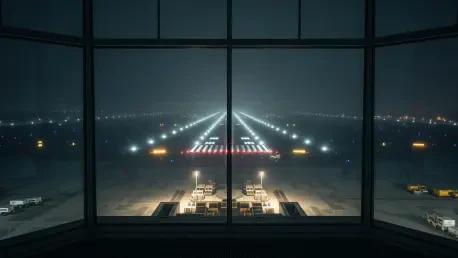
As the sun set on New York City, airport authorities were already on high alert due to deteriorating weather conditions. Light rain and persistent fog began to blanket the airfield, significantly reducing visibility for both pilots and ground crews. The Federal Aviation Administration (FAA) issued warnings regarding potential delays and disruptions, setting a tense backdrop for the night’s operations. During this period, the airport was managing a high volume of traffic, including a United Airlines flight that had reported a potential odor, prompting a mobilization of emergency services that would later prove pivotal to the night’s events.
11:47 p.m.: The Fatal Intersection on Runway 4
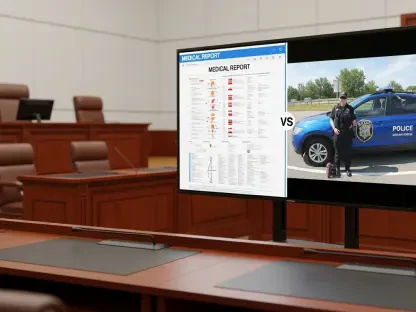
The Air Canada Express Bombardier CRJ-900, arriving from Montreal, touched down and began navigating its taxi route. At approximately 11:47 p.m., while the aircraft was traveling at 24 miles per hour, it collided with a Port Authority Aircraft Rescue and Firefighting (ARFF) vehicle. The emergency truck was responding to the reported issue on the United Airlines flight when it crossed the path of the regional jet. Despite the relatively low speed of the aircraft, the impact was severe enough to claim the lives of both pilots on the regional jet and cause injuries to over 40 people, including passengers and Port Authority officers.
Monday Afternoon: Immediate Ground Stop and Initial Investigation
Following the collision, the FAA took the decisive step of closing LaGuardia Airport, issuing a total ground stop for all traffic. The facility remained closed until Monday afternoon as federal investigators from the National Transportation Safety Board (NTSB) and the FAA arrived to document the scene and clear the wreckage. This period was characterized by an intensive search for flight data recorders and the gathering of communication logs between air traffic control, the Air Canada crew, and the emergency vehicle operators to determine how such a devastating incursion occurred on an active runway.
December 2024: The Implementation of Revised Liability Thresholds
The legal context of the crash was heavily influenced by changes to the Montreal Convention that took effect just months prior. In December 2024, the international treaty raised the threshold for strict liability to approximately $202,500 USD per passenger. This event marked the first major test of these revised limits for a North American carrier. Because the flight was an international trip from Canada to the United States, these new rules dictated the immediate financial responsibilities of the airline toward the victims and their families, regardless of the initial findings of fault.
December 2025: Legal Precedents and the Narrowing of Immunity
A critical turning point in the aftermath of the crash occurred with a ruling by the Second Circuit Court of Appeals. This judicial decision clarified that the Port Authority could not claim full sovereign immunity against state-law claims in federal court. This meant that the agency could be sued for negligence in a manner similar to a private corporation. This legal shift created a dual-track litigation environment, where survivors had to navigate both the international mandates of the Montreal Convention and the domestic tort laws of New York, significantly complicating the path to restitution and accountability.
Analyzing the Turning Points and Systemic Safety Trends
The collision at LaGuardia highlights several significant turning points in aviation safety, most notably the persistent danger of ground-level runway incursions. While mid-air safety has seen dramatic improvements over the last twenty years, the ground environment remains a high-risk zone where human error and communication breakdowns can still lead to fatalities. The overarching theme of this incident is the vulnerability of “last-mile” safety protocols—the final minutes of a flight when an aircraft transitions from the air to the gate.
A clear pattern emerges when looking at this event alongside other recent incidents, such as the 2025 Reagan National midair collision: there is an increasing strain on FAA oversight and air traffic control resources. The technological advancements designed to track ground movements are only as effective as the human systems managing them. Furthermore, a notable gap exists in the standardization of communication between emergency responders and air traffic controllers, a factor that is expected to be a primary focus of future safety explorations and regulatory reforms.
Navigating the Complexities of Aviation Liability and Insurance
Beyond the immediate investigation, the LaGuardia crash illuminates the nuances of the global aviation insurance market. Industry experts note that ground handling incidents now account for the vast majority of insurance claim values—approximately 63% in recent years. This shift is forcing insurers to implement “technical rate increases,” particularly for operators in the United States, where litigation costs are high and legal protections for quasi-government agencies like the Port Authority are being eroded by the courts.
Common misconceptions often suggest that low-speed collisions on the ground are rarely fatal; however, this incident proves that the mass and momentum of a regional jet, combined with the vulnerability of a ground vehicle, create a high-risk scenario regardless of velocity. Looking forward, the aviation community is likely to see emerging innovations in automated ground-collision avoidance systems and more rigorous training for emergency vehicle operators. The collision was not just an isolated tragedy but a catalyst for a broader re-evaluation of how safety is maintained on the tarmac in an increasingly crowded and complex airspace.
The investigation into the LaGuardia tragedy concluded that the collision resulted from a catastrophic breakdown in situational awareness facilitated by antiquated communication links between ground responders and the control tower. Regulators subsequently fast-tracked the installation of Runway Status Lights (RWSL) at all high-traffic hubs to provide a redundant visual warning to vehicle operators. These systemic adjustments aimed to eliminate the ambiguity that existed during emergency mobilizations in low-visibility conditions. Future safety audits focused heavily on the integration of satellite-based tracking for every vehicle permitted on active airfield surfaces. For further exploration of modern safety standards, researchers examined the updated NTSB recommendations regarding vehicle-to-aircraft communication hardware.