
A powerful and far-reaching winter storm system is descending upon the nation, placing nearly half of the United States population under some form of weather alert and prompting urgent calls for preparation. The National Weather Service forecasts a severe weather event sweeping from the Southern Plains to the Northeast, bringing with it a dangerous combination of heavy snow, sleet, and freezing rain. Forecasters have issued stark warnings about the potential for treacherous travel conditions, prolonged and widespread power outages, and extensive damage to property and infrastructure, particularly in regions that are less equipped to handle sustained periods of extreme winter weather. The storm’s immense scale and projected duration have already raised significant concerns among emergency management agencies and insurance industry experts, who are bracing for a high volume of impact reports and claims in the coming days as the system intensifies and moves across the country.
1. Widespread Emergency Declarations and Economic Concerns
The storm’s meteorological engine is a potent low-pressure system drawing significant moisture from the Gulf of Mexico, which is colliding with a frigid mass of Arctic air plunging southward from Canada. This clash is creating the conditions for extreme cold, with wind chills expected to plummet below minus 50 degrees Fahrenheit in parts of the Northern Plains and sub-zero wind chills reaching as far south as Texas and the Carolinas. In response to this imminent threat, winter storm watches and emergency declarations now span more than a dozen states. Federal agencies, including the Federal Emergency Management Agency (FEMA), have taken proactive steps by pre-positioning essential supplies, generators, and specialized search-and-rescue teams across several states. Furthermore, national and regional response centers have been activated to coordinate efforts, as officials at the state level urge residents to avoid all non-essential travel and prepare for the possibility of being without electricity for several days.
The anticipated impact of this widespread snow and ice event has prompted comparisons to other major catastrophic events due to the sheer geographic area affected and the potential for cascading failures. Insurance experts note that the strain significant winter weather places on state and local resources can create immense challenges, especially in areas where infrastructure is not robust enough to manage heavy accumulations of ice and snow. Unlike more localized disasters, winter storms of this magnitude can disrupt supply chains, cripple transportation networks, and overwhelm utility crews over a vast region simultaneously. The complexity of the claims is also a major concern, as damage often involves multiple perils, including water intrusion from ice dams, structural damage from the weight of snow, and debris from falling trees, which can complicate and prolong the assessment and settlement process for homeowners and insurers alike.
2. Commonly Overlooked Risks for Homeowners
While many residents focus on the visible threats of accumulating snow and potential roof damage, claims data consistently reveals that some of the costliest and most disruptive losses originate from less obvious sources. Burst water pipes are a leading cause of property damage claims during prolonged freezes, particularly in southern regions where homes may have less insulation and pipes are often run through unheated spaces like crawlspaces or attics. When water freezes, it expands, placing immense pressure on pipes that can lead to catastrophic ruptures once temperatures rise and the ice thaws. Another frequently underestimated danger is the formation of ice dams. This occurs when heat from the attic melts snow on the roof, but the water refreezes when it reaches the colder eaves, creating a dam of ice that prevents proper drainage. The trapped water can then seep under shingles and into the home, causing significant damage to ceilings, walls, and insulation.
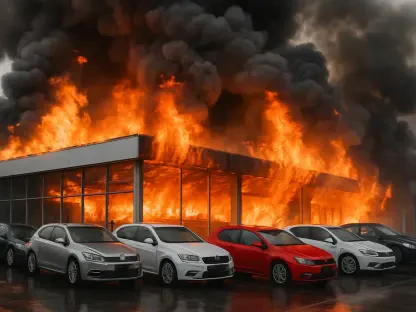
Beyond water-related issues, the secondary effects of a power outage introduce additional, serious risks. The use of alternative or supplemental heating sources, such as space heaters, generators, or fireplaces, is a common cause of residential fires during winter storms. Improper placement, inadequate ventilation, or faulty equipment can quickly lead to tragedy. Furthermore, the immense weight of heavy, wet snow or a thick coating of ice can be more than trees and their branches can bear. The resulting damage from falling limbs or entire trees is often underestimated until it occurs, posing a direct threat to homes, vehicles, and power lines. These interconnected risks highlight the importance of a comprehensive preparation strategy that addresses not only the direct impact of the storm but also the subsequent challenges that arise from sustained cold and utility disruptions, ensuring homeowners are protected from a full spectrum of potential hazards.
A Review of Preventative Actions
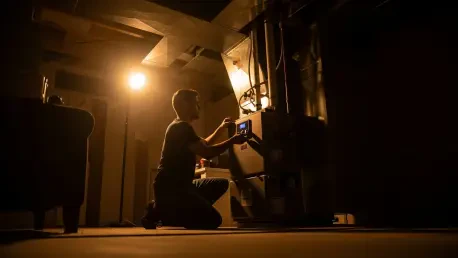
As communities began the recovery process, the importance of proactive preparation became undeniably clear. The measures taken by homeowners before the storm’s arrival often made a significant difference in the extent of the damage they experienced. Verifying that heating systems were properly maintained and functioning efficiently was a critical first step that helped prevent interior temperatures from dropping to dangerous levels. Those who consistently kept their indoor temperatures warm, even in unused rooms, and allowed faucets to drip slowly were far more likely to have avoided the devastating consequences of frozen and burst pipes. These simple yet effective actions proved to be a frontline defense against some of the storm’s most common and costly impacts. Simple outdoor maintenance, such as disconnecting garden hoses and insulating exterior spigots, also prevented costly plumbing repairs. Furthermore, residents who had taken the time to clear their gutters of leaves and debris before the storm were less susceptible to the formation of destructive ice dams, thereby protecting their homes from significant water intrusion and the subsequent need for extensive interior repairs.