
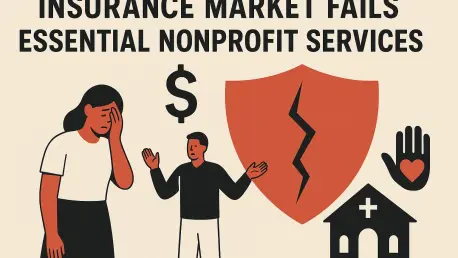
The very framework designed to protect community-serving organizations from catastrophic risk is systematically dismantling their ability to function, creating a paradox where insurers are abandoning the sector they are meant to support. For the nation's nonprofit organizations, insurance is not a

A meticulously structured corporate acquisition designed over a decade ago to be a "clean" transfer of assets has devolved into a high-stakes legal battle, culminating in a new lawsuit filed by SPARTA Insurance Company against Pennsylvania General Insurance Company for more than $12.7 million. This

The cyber insurance market, once a niche product whispered about in IT departments, has exploded into a multi-billion-dollar behemoth that now commands the undivided attention of corporate boardrooms worldwide. This meteoric rise has positioned it as the insurance industry's fastest-growing and

As the calendar turns, Alaska is poised to implement a suite of significant legislative changes that will reshape key sectors of its economy and daily life, affecting everything from how insurance is sold and data is protected to the speed at which medical treatments are approved. These new laws,

A recent landmark decision from Pennsylvania’s Commonwealth Court is fundamentally altering the legal terrain for first responders, challenging the long-held notion that severe psychological trauma is merely an expected consequence of a dangerous job. For years, the path to securing workers'

The champagne corks have barely hit the floor in the startup's celebratory boardroom before a single clause in the Master Service Agreement brings the entire company-defining deal to a screeching, financially devastating halt. This scenario, playing out with increasing frequency, highlights a