
A colossal river of arctic air spilling southward across the continent is not merely bringing winter’s chill but is setting the stage for a sprawling and complex meteorological event that threatens to become the insurance industry’s first great trial of the year. After a period of relative calm in catastrophe-related claims, this winter storm is evolving into more than just a weather headline; it is a significant, systemic financial event poised to test the resilience and preparedness of risk carriers on a scale not seen since the historic Texas freeze. The storm’s projected path, a vast corridor of ice and snow cutting through densely populated regions, has shifted the conversation from atmospheric science to actuarial science, forcing insurers to brace for a complex and costly aftermath.
This event’s importance lies in its multifaceted nature, distinguishing it from more localized or singular perils. Unlike a hurricane with a defined path of destruction, this storm’s threat comes from a complex interplay of freezing rain, sleet, heavy snow, and prolonged, deep-freezing temperatures across an enormous geographical footprint. The consensus among risk modelers is that while it may not reach the unprecedented severity of past historic freezes, its unique combination of hazards guarantees it will be a closely watched and financially significant event. For insurers, it represents a crucial test of their models, their capital reserves, and their operational capacity to handle a surge of interconnected claims from Texas to the Northeast.
Winter’s First True Fury After a Year of Relative Calm
The arrival of this coast-to-coast winter storm marks an abrupt end to what had been a comparatively benign period for catastrophe-related losses in the insurance sector. This sudden shift forces the industry to pivot from a year of favorable trends to confronting a large-scale, multi-region event. The timing is critical, coming at the start of the calendar year and potentially setting a new, more challenging tone for insurer profitability and loss ratios moving forward. The storm acts as a stark reminder that even in an era of advanced forecasting, the unpredictable nature of severe weather remains a fundamental risk to the industry’s stability.
The true test for insurers lies not just in the storm’s intensity but in its sheer breadth. By affecting a wide swath of the country simultaneously, it stretches claims-handling resources thin and challenges the geographical diversification strategies that insurers rely on to manage risk. An event that triggers losses across multiple states and regions at once prevents carriers from shifting resources from unaffected areas to assist with the response. This operational strain can lead to delays in claims processing and payouts, potentially compounding financial losses and damaging customer relations at a critical time.
Why This Storm Poses a Systemic Financial Threat
Meteorological forecasts tell only part of the story; the real concern for the financial sector is how this weather translates into widespread economic disruption and insured losses. The storm’s path cuts directly through major economic corridors, threatening to paralyze transportation, shut down businesses, and disrupt supply chains. This potential for economic paralysis elevates the event from a regional weather problem to a systemic financial threat. The interconnectedness of modern commerce means that a factory shutdown in Tennessee or a logistics hub closure in Texas can have ripple effects across the national economy, triggering a cascade of claims far beyond simple property damage.
Moreover, the storm’s characteristics are uniquely aligned to maximize financial pain. The combination of ice and extreme cold creates a perfect storm for high-cost claims that are often difficult to assess and remediate. This is particularly true in southern states, where infrastructure and populations are less resilient to prolonged periods of freezing weather. The accumulation of these factors suggests that the total insured loss could be substantial, placing significant pressure on reinsurance programs and potentially impacting the earnings of primary insurers who retain a large portion of the risk.
A Multifaceted Peril and Its Impact on Insurers
The primary driver of loss in this event is definitively identified as ice, not snow. Even a moderate glaze of freezing rain, just a quarter-inch thick, carries immense weight that can snap tree limbs and topple power lines, initiating a domino effect of claims. This single peril is responsible for a cascade of consequences, from direct property damage to homes and vehicles to the secondary losses that follow widespread power outages. As noted by the Weather Prediction Center, even slight shifts in the storm’s track can dramatically alter whether a region receives manageable snow or debilitating ice, making the ultimate financial outcome highly sensitive to small meteorological changes.
This dynamic creates a comprehensive “multi-line stress test” for insurers, who are bracing for a concurrent wave of claims across numerous business lines. Property policies will be hit by claims for structural damage from fallen trees and burst pipes caused by the freezing temperatures. Simultaneously, auto insurers anticipate a surge in claims from treacherous road conditions created by ice and sleet. Beyond these immediate impacts are the secondary losses; widespread power outages are a direct trigger for business interruption claims for commercial clients, spoilage of perishable goods for both businesses and households, and additional living expense claims for residents forced to relocate from unheated homes. This complex claims profile is especially challenging for the industry to manage efficiently.
Analyzing the Exposure Where Vulnerability Meets Infrastructure
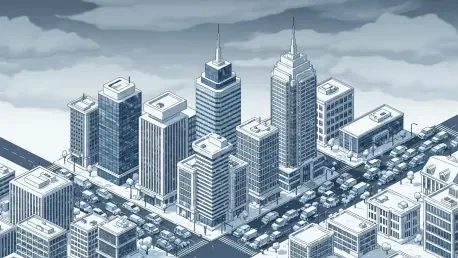
The potential for catastrophic losses is significantly compounded by the storm’s demographic and infrastructural exposure. The system’s projected path moves directly across several major and densely populated urban centers, including Dallas–Fort Worth, Memphis, Charlotte, and Atlanta, all of which are in the risk zone for significant icing. Further north, hubs like Washington, D.C., and New York City are bracing for heavy, rapid snowfall that could overwhelm municipal services. This concentration of risk in urban areas is critical, as dense housing and aging infrastructure—from power grids to plumbing—can amplify the damage and complicate repair efforts.
This storm also places the resilience of regional power grids under intense scrutiny, a point of particular sensitivity following the catastrophic failures during the 2021 Texas freeze. While grid operators have expressed confidence in their ability to meet demand and avoid systemic blackouts, the primary threat for insurers comes from localized outages caused by the direct physical impact of ice on power lines and transformers. The duration of these local outages is the critical variable; the longer power remains unrestored, the higher the costs for claims related to spoilage, business interruption, and additional living expenses. These localized failures, even if the broader grid remains stable, are what ultimately drive a significant portion of the total insured loss.
The Long Tail of Winter and Its Operational Challenges
The extreme cold accompanying the storm acts as a critical loss amplification factor, extending the event’s financial impact long after the precipitation has stopped. The frigid temperatures, projected to be more than 30 degrees below average in some areas, complicate every stage of the recovery process. From a loss mitigation perspective, the deep freeze makes it more difficult to treat icy roads and slows the execution of essential repairs to damaged properties and infrastructure. For policyholders, this means a longer and more arduous road to recovery.
For insurance carriers, these conditions translate into a more challenging and extended claims settlement period, often referred to as a “long tail.” Travel restrictions and hazardous conditions can delay initial damage inspections by loss adjusters, slowing the entire claims process. The declaration of emergencies in high-risk states like North Carolina and Georgia underscores the official recognition of the event’s severity and the mobilization of resources for a protracted and costly aftermath. The severe cold ensured that the operational and financial challenges for insurers persisted, creating a difficult and expensive start to the year that tested their resources and resolve.