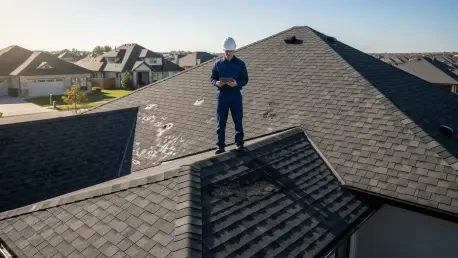

A devastating hailstorm can shatter windows and shred shingles in minutes, but the real damage often begins months later when technical policy language turns a legitimate loss into a legal nightmare. A Littleton resident discovered extensive roof damage following a severe weather event, only to find that the biggest hurdle to a payout was not the storm itself, but the calendar. Even when an insurance carrier’s own weather data confirmed that 1.6-inch hail pummeled the property, a technicality regarding the timing of the report led to an immediate denial. This legal standoff, initiated in July 2026, raised a critical question for policyholders everywhere: can an insurer walk away from a confirmed loss simply because the paperwork arrived a few months late?
The storm in question struck on July 8, 2023, yet the claim was not officially submitted until April 2025. By that time, the insurer argued that a 365-day reporting window had already closed, rendering the claim invalid despite the clear evidence of property damage. The homeowner contended that the damage was not immediately obvious, which is a common scenario where the structural integrity of a roof slowly degrades long after the clouds have cleared. This discrepancy set the stage for a breach of contract lawsuit centered on whether administrative rules should override the fundamental purpose of insurance.
A Colorado Homeowner’s Fight Against the 365-Day Rule
The Littleton resident’s struggle represents a broader trend where homeowners find themselves trapped between catastrophic weather and rigid policy expiration dates. When the homeowner finally noticed the damage and filed the claim nine months past the deadline, the insurer issued an immediate denial without considering the practical difficulties of identifying latent roof damage. This prompted a legal challenge that highlighted the tension between a carrier’s internal deadlines and its contractual obligation to provide coverage for documented occurrences.
The lawsuit alleged that the insurer acted in bad faith by prioritizing a procedural technicality over the undeniable facts of the weather event. Because the insurer’s own records showed the intensity of the hail, the homeowner argued that the company was fully aware of the risk but chose to use the calendar as a shield against payment. This specific case served as a warning to other policyholders that even a valid, evidence-backed claim can be derailed by the fine print if the discovery of damage is delayed.
Why Insurance Reporting Deadlines Often Clash With Latent Property Damage
Insurance policies are complex contracts that balance risk with homeowner protection, but the inclusion of strict reporting windows often creates a trap for the unwary. While carriers argue these deadlines are necessary to conduct fresh investigations, many property owners do not realize damage has occurred until months later when leaks or secondary issues manifest. This tension is particularly acute in occurrence-based policies, where the coverage is technically triggered by the event itself, regardless of when the claim is filed.
The conflict arose when administrative deadlines were prioritized over contractual obligations. Insurers suggested that delays hindered their ability to accurately assess the scene, yet modern weather tracking and forensic engineering have made it easier to pinpoint specific events from years prior. Consequently, the rigid enforcement of these windows often felt less like a procedural necessity and more like a mechanism to reduce payout liabilities on legitimate claims that merely required more time to be noticed by the untrained eye.
Breaking Down the Litigation: Occurrence-Based Coverage vs. Reporting Timelines
The dispute in Littleton highlighted a glaring contradiction in how claims are handled, specifically focusing on the admission that a policy is occurrence-based while still enforcing a 365-day reporting cutoff. In this case, the insurer’s primary defense for denial was the delay, yet the actual financial impact of that delay was surprisingly negligible. Reports indicated that the claims manager admitted the company still adjusts late claims and acknowledged that the policy covers the event of the loss itself, regardless of the reporting date.
Furthermore, the internal assessment of financial prejudice revealed a mere $2,363.90 price discrepancy between 2024 and 2025 repair costs. When compared to the $30,129.71 estimated replacement cost, this minor inflationary difference hardly suggested a significant burden on the carrier. This section of the litigation examined the discrepancy between an insurer’s internal claim-handling guidelines and the rigid enforcement of policy provisions that did not align with the actual financial prejudice suffered by the company.
The Battle of the Engineers and the Concept of Substantial Prejudice
Central to this legal challenge was the battle of the engineers, where conflicting expert reports determined the fate of the claim. While the insurer’s firm claimed no hail damage existed, independent engineers found clear evidence of impact. This forced the courts to decide which evidence held more weight in a landscape where expert opinions are often scrutinized for bias. The homeowner argued that because the insurer could still identify the storm damage, the late report did not actually hinder the investigation.
The legal concept of prejudice played a starring role in the argument for coverage. For an insurer to deny a claim based on a late report, many jurisdictions required a showing of substantial prejudice, meaning the delay must have made a meaningful difference in the insurer’s ability to defend or investigate. By demonstrating that the damage was still clearly attributable to the 2023 storm, the homeowner aimed to prove that the insurer was using a procedural technicality to avoid a valid payout, violating its duty to act toward the client in good faith.
Practical Frameworks for Overcoming Claims Denied for Tardiness
Policyholders who faced a denial due to a tardy report took specific steps to challenge the decision and sought statutory redress through the legal system. It became essential to document all weather data and obtain an independent structural assessment immediately to prove the damage was tied to a specific covered event. Understanding state-specific laws, such as Colorado’s statutes that penalized the unreasonable denial of benefits with double damages and attorney fees, provided a powerful leverage point for those seeking justice.
Homeowners focused on demonstrating that the delay caused no substantial prejudice to the insurer, which effectively neutralized the carrier’s primary argument for non-payment. This proactive approach included leveraging forensic evidence and professional engineering reports to bridge the gap between the storm date and the discovery of damage. Ultimately, the strategy shifted toward holding carriers accountable for their contractual promises rather than allowing them to hide behind administrative fine print, offering a path forward for future claimants.