
As a leading voice in public policy and insurance economics, Simon Glairy has spent years deciphering the complex intersection of climate risk and financial stability. With an extensive background in AI-driven risk assessment and the insurance industry, he has become a critical advisor for states navigating the volatile landscape of natural disasters. In this discussion, we explore the deep systemic shifts occurring within California’s utility and insurance sectors, where the rising frequency of wildfires is no longer a distant threat but a permanent line item on household balance sheets. We delve into the concept of “climateflation,” the fiscal tension between green energy transitions and soaring electricity rates, and the bold, perhaps controversial, legislative reforms required to keep the state’s economy from buckling under the weight of recurring catastrophes.
With wildfire surcharges adding over $40 to monthly PG&E bills, how is “climateflation” specifically reshaping household budgets, and what are the long-term effects on local economies and the mortgage market?
The reality of climateflation is that it transforms a distant environmental crisis into a mandatory monthly expense that competes with groceries and childcare. For customers of the state’s largest utility, that $41 monthly surcharge represents a staggering 19% of their total bill, a figure that signals a fundamental shift in how we value living in high-risk zones. This isn’t just a minor inconvenience; it is a recurring cost embedded in the state’s economy that begins to erode the very foundation of local tax bases as property values face downward pressure. When homeowners see 14% to 19% of their utility costs dedicated solely to wildfire liabilities, the stability of the mortgage market begins to wobble because the total cost of ownership becomes unpredictable. We are seeing a chilling effect where these hidden costs are now seriously influencing home purchases, potentially leaving residents stuck in devaluing assets while the insurance market struggles to keep pace.
Electricity rates in California jumped 37% over a five-year period. How does this price surge undermine goals for electric vehicle adoption and home heating transitions?
This 37% spike in electricity rates between 2020 and 2025 creates a massive psychological and financial barrier for anyone considering the switch to a greener lifestyle. When you sit at your kitchen table and see your utility bill climbing year after year, the prospect of adding an electric vehicle or a heat pump to that same grid feels like a financial trap rather than an environmental contribution. The financial trade-off is stark: residents are being asked to invest in electrification at the exact moment that the price of electricity is becoming a primary driver of household inflation. If the cost of charging a car or heating a home remains this volatile, we will see a significant slowdown in the state’s progress toward its climate goals. People will naturally prioritize their immediate solvency over long-term carbon reduction, effectively stalling the green transition until the grid’s liability issues are settled.
Private insurers are increasingly restricting coverage, forcing homeowners into last-resort plans. How would a $25 billion state-sponsored catastrophic insurer stabilize the market and what process would be required to shift this risk?
The proposed $25 billion state-chartered insurer would essentially act as a massive financial shock absorber, stepping in as the insurer of first resort for catastrophic wildfire risk. The process involves a strategic handoff where the state assumes the heaviest burden of fire liability, which in turn gives private companies the confidence to return to the market and write policies for standard risks like theft or water damage. This doesn’t necessarily mean premiums will drop overnight, but it stops the bleeding by providing a predictable framework that keeps insurance widely available rather than a luxury for the few. By moving this risk away from the cash-strapped FAIR Plan and into a dedicated, well-capitalized state fund, we create a tiered system of protection. It requires a coordinated legislative effort to ensure this fund is replenished and managed with the same rigor as a private entity, providing a sense of permanence that the current “last resort” options lack.
Eliminating utility liability for accidental fires could lower power bills but might require a constitutional amendment. What are the political hurdles to this change, and how would it alter utility priorities regarding preventive measures?
The political hurdles for a constitutional amendment are immense because it requires asking the public to relinquish their right to hold powerful corporations accountable for the damage caused by their equipment. Opponents argue that removing strict liability might inadvertently encourage utilities to cut corners on safety, choosing to manage the fallout of a fire rather than investing in the expensive infrastructure needed to prevent one. However, the trade-off is that it could drastically lower monthly bills by stripping away the surcharges used to pay out multi-billion dollar insurance settlements. If this change occurs, the focus for utilities must shift from litigation defense to radical transparency and aggressive preventive measures, such as undergrounding lines and advanced sensor grids. The challenge lies in convincing a skeptical public that a more stable utility company is worth the loss of certain legal protections in an era of unprecedented climate danger.
Beyond financial reforms, how should statewide coordination for home hardening and the removal of flammable materials be structured to ensure effective implementation?
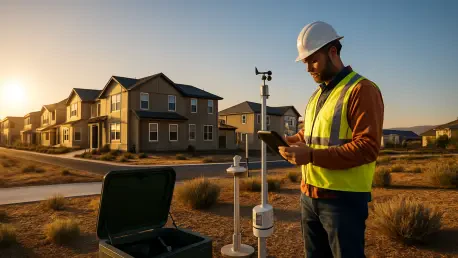
Statewide coordination needs to move away from a patchwork of local ordinances and toward a centralized, data-driven mandate that treats home hardening as a critical infrastructure project. We should measure success through specific metrics like the “survival rate” of hardened structures during fire events and the total acreage of defensible space cleared within high-risk corridors. Vulnerable communities must be provided with direct subsidies and a clear, step-by-step roadmap for removing flammable materials, ensuring that safety isn’t just a privilege for wealthy enclaves. This structure would involve regular audits and sensory inspections, perhaps using drone technology to verify that communities are meeting fire-safe standards. When hardening is done at scale, it creates a collective shield that reduces the overall intensity of a wildfire, making the job of first responders safer and more effective.
What is your forecast for California’s wildfire-driven economy?
My forecast is that California will enter a period of “fiscal adaptation” where the economy is forced to reorganize around the physical reality of fire. We will likely see the emergence of a two-tiered real estate market where “fire-hardened” homes with guaranteed state-backed insurance become the gold standard, while properties in unmitigated zones face steep devaluation. While the transition will be painful and marked by intense legislative battles over who pays for past damages, this period of reform will eventually lead to a more resilient, albeit more expensive, state infrastructure. Success will depend entirely on whether the state can balance the immediate need for affordable power with the massive capital investments required to protect its citizens. Ultimately, the wildfire-driven economy will move from a state of constant emergency response to one of permanent, proactive risk management that integrates fire safety into every aspect of urban planning and financial policy.