
The motor insurance landscape presented a curious paradox for consumers and industry experts throughout 2025, as the average cost of vehicle coverage trended downward even while the expenses associated with getting those vehicles back on the road after an incident soared to new heights. This counterintuitive situation unfolded against a backdrop of significant financial pressure on insurers, who paid out an unprecedented £11.9 billion across 2.5 million claims. This divergence between lower consumer costs and higher industry payouts raises critical questions about the sustainability of current market dynamics and the underlying forces shaping the future of auto insurance. Understanding this complex interplay is essential for navigating what comes next for motorists, manufacturers, and the insurance sector.
The Rising Tide of Repair Expenses
The Technology Paradox in Modern Vehicles
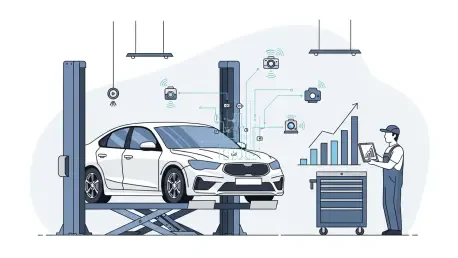
The very innovations designed to make driving safer and more convenient are simultaneously driving up the cost of repairs at an alarming rate. Payouts for vehicle damage, which include third-party liabilities, accidental damage, and even simple windscreen repairs, accounted for nearly £7.5 billion, or 63% of all claims paid in 2025. The core of this issue lies in the increasing technological complexity embedded within modern cars. Vehicles are no longer just mechanical machines; they are sophisticated electronic ecosystems on wheels, equipped with an array of advanced driver-assistance systems (ADAS), intricate sensor networks, high-resolution cameras, and other high-value electronic components. When a collision occurs, damage is rarely superficial. A minor fender bender can now necessitate the replacement and recalibration of multiple sensors and cameras, turning what was once a simple bodywork job into a complex and expensive technical procedure. This technological sophistication means that the expertise and equipment required for repairs are also more specialized, further contributing to the inflated costs that insurers must absorb.
Compounding Factors of Supply and Labor
Beyond the intrinsic cost of high-tech components, external economic pressures have exacerbated the financial strain of vehicle repairs. Persistent global supply chain disruptions have continued to affect the availability and price of necessary parts, creating a bottleneck that delays repairs and inflates claim costs. When a specific sensor or module is on backorder, a vehicle may remain in the repair shop for weeks or even months longer than it would have previously, leading to increased costs for courtesy cars and storage, all of which are covered by the insurance payout. This situation is further compounded by a shortage of qualified technicians who are trained to work on these advanced systems. The specialized skill set required to diagnose, repair, and recalibrate modern vehicle technology is not yet widespread, leading to higher labor rates and longer wait times for service. Consequently, the total cost of a claim spirals upward, driven by a combination of expensive parts, prolonged repair cycles, and the premium placed on specialized labor, creating a challenging environment for insurers trying to manage their financial liabilities.
A Surprising Reprieve for Consumers
The Downward Trend in Premium Costs
Despite the immense financial pressure from escalating repair costs, drivers experienced a welcome, albeit unexpected, reduction in their insurance premiums. Data from the final quarter of 2025 revealed that the average premium paid by motorists was £559, a significant 10.2% drop—equivalent to £63—when compared to the same period in 2024. This downward trend was not an isolated event; when viewed across the entire year, the average annual premium for 2025 settled at £564, marking a 9% decrease from the previous year. This development offered a degree of financial relief to households during a period of broader economic uncertainty. However, the phenomenon of falling premiums in a high-cost claims environment points to a fiercely competitive market where insurers may be absorbing losses or operating on razor-thin margins to retain and attract customers. While beneficial for consumers in the short term, such a market structure may not be sustainable if the underlying cost drivers are not addressed, potentially leading to market corrections in the future.
Charting a Path Forward
The divergence between claim costs and consumer premiums highlighted the need for a multi-faceted approach to stabilize the motor insurance market. While the reduction in premiums was a positive development for household budgets, the industry recognized that the high cost of coverage remained a significant concern for many. The situation underscored the importance of collaborative action involving the insurance industry, government bodies, and automotive manufacturers to mitigate the financial pressures stemming from expensive vehicle repairs. One key area of focus became the broader context of road safety. Within the framework of the government’s Road Safety Strategy, advocacy for additional safety measures gained momentum. Proposals such as the nationwide implementation of graduated driving licenses were revisited, aiming to reduce the frequency and severity of accidents, particularly among new drivers. This focus on proactive risk reduction represented a strategic shift, acknowledging that lowering the number of claims was as crucial as managing the cost of each one. The efforts in 2025 laid the groundwork for a more integrated strategy aimed at ensuring long-term market stability and affordability for all stakeholders.