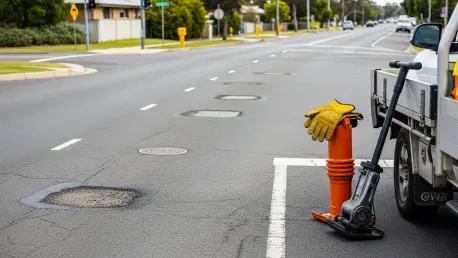

Driving through metropolitan areas has become a high-stakes obstacle course where crumbling infrastructure threatens vehicle longevity and driver safety on a daily basis. The frustration stemming from neglected road maintenance has catalyzed a grassroots movement of frustrated citizens who have decided to bypass the slow gears of local bureaucracy. These individuals, often referred to as pothole vigilantes, utilize cold-patch asphalt and basic tools to fill hazardous craters in their neighborhoods without official authorization. While their intentions are undeniably altruistic, the legal and physical risks they undertake are immense and often misunderstood by the general public. Navigating the complexities of municipal liability while performing unauthorized labor on public property creates a precarious situation for any well-meaning resident. Without professional training or traffic control measures, these volunteers face significant dangers from passing vehicles, chemical exposure, and the physical strain of manual labor. This growing phenomenon highlights the urgent need for a structured dialogue between cities and the residents they serve to ensure that community spirit does not lead to life-altering personal injuries or financial ruin.
Legal Consequences: Navigating Liability and Sovereign Immunity
Statutory Limitations: The Risks of Unauthorized Public Work
Most jurisdictions operate under strict sovereign immunity laws that protect the government but rarely extend to private citizens acting on their own volition. When a resident decides to repair a street, they typically operate outside the framework of the Volunteer Protection Act, which generally requires individuals to be part of a recognized non-profit or governmental program to receive legal immunity. In the absence of an official partnership, the volunteer is legally viewed as a private actor trespassing on public land or interfering with public infrastructure. If a volunteer suffers a back injury or a burn while handling asphalt, they cannot file a workers’ compensation claim because no employment relationship exists. Furthermore, many city ordinances specifically prohibit unauthorized modifications to public roadways, meaning a volunteer could potentially face fines or legal action instead of gratitude from the municipality they are trying to assist. This creates a stark divide between community service and illegal activity, leaving the individual exposed to the full weight of the legal system without any institutional defense.
Financial Exposure: Insurance Gaps and Personal Asset Risk
Standard homeowners’ insurance policies almost never provide coverage for activities conducted on public property or for professional-grade construction tasks. When a resident steps off their private property to repair a city street, they are essentially entering an insurance vacuum where their personal assets are fully exposed to litigation. Most umbrella policies contain specific exclusions for illegal acts or unauthorized work on government-owned assets, leaving the individual to foot the bill for any medical expenses or legal defense costs incurred during the process. This lack of a financial safety net is particularly concerning given the high cost of medical treatment for injuries sustained in active roadway zones, such as fractures, severe abrasions, or chemical burns. Even if a volunteer is part of a local neighborhood association, that organization’s general liability policy might not extend to roadwork unless specifically endorsed, which is a rare and expensive addition for most groups. Consequently, the financial stakes of unauthorized road repair are disproportionately high compared to the modest cost of the materials being used.
Technical Standards: Bridging the Infrastructure Maintenance Gap
Safety Frameworks: Professional Methods Versus Community Action
Modern road repair involves more than just dumping material into a hole; it requires a sophisticated understanding of bitumen chemistry and thermal expansion properties. Professional crews utilize specialized machinery to heat the edges of a pothole, ensuring a seamless bond between the old surface and the new patch, which prevents water from seeping in and causing future damage during freeze-thaw cycles. Volunteers typically use cold-patch mixtures available at hardware stores, which are intended for temporary residential use rather than high-traffic arterial roads or highways. These materials often fail to compact properly under the weight of heavy vehicles, leading to loose debris that can crack windshields or clog storm drains in the long term. Moreover, professionals employ sophisticated traffic management strategies, including signage and flaggers, to create a safe work zone. A solitary volunteer lacks these essential resources, making them nearly invisible to distracted drivers navigating at high speeds. The physical disparity between a human being and a moving vehicle means that even a minor lapse in situational awareness can result in a fatal collision.
Collaborative Future: Integrating Reporting Systems and Legal Protections
The rise of unauthorized road repairs underscored a critical disconnect between the pace of municipal service and the immediate needs of a modern, mobile society. It became clear that the legal and physical risks faced by pothole volunteers were too significant to ignore, prompting a reevaluation of how community participation was managed in urban environments. Stakeholders realized that the most effective path forward involved the creation of clear legal frameworks that protected residents while maintaining strict engineering standards for all infrastructure work. Municipalities prioritized the development of user-friendly reporting tools that offered transparency in the maintenance process, thereby reducing the urge for citizens to intervene directly on dangerous roadways. Engineers and legal experts collaborated to draft standardized volunteer agreements that mitigated personal liability through limited indemnification clauses for those who followed approved safety protocols. These actions successfully shifted the focus from reactive, high-risk repairs to a proactive, data-driven strategy that valued both public input and professional expertise in the ongoing effort to maintain safe transportation networks.