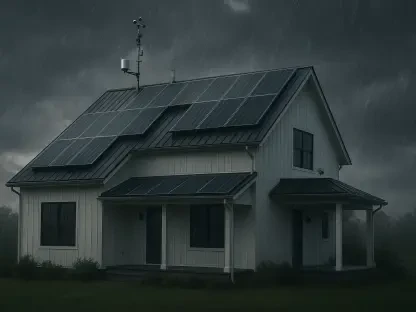

Severe weather events in 2026 have already demonstrated that high-velocity hailstorms can cause catastrophic damage to both residential properties and personal vehicles in a matter of minutes. While many property owners feel a sense of urgency to file an insurance claim immediately after the clouds clear, rushing into the process without a strategic plan often leads to complications or reduced payouts. Preparing for a hail damage claim requires a meticulous approach that prioritizes thorough documentation and a clear understanding of current policy conditions. In an era where insurance companies utilize advanced satellite imagery and automated assessment tools, providing concrete evidence of loss is more important than ever. Homeowners and vehicle owners alike must act as their own advocates, ensuring that every dent, crack, and structural vulnerability is accounted for before the formal adjustment begins. By following a structured protocol, individuals can navigate the post-storm landscape with confidence and secure the resources needed for full recovery.
1. Strategic Property Inspections and Initial Documentation
Immediately following a hailstorm, the first priority for any homeowner is to conduct a safe but thorough inspection of the property to identify urgent issues such as shattered windows or roof punctures. These openings represent significant risks for secondary water damage, which could lead to mold or structural decay if not addressed quickly. After securing the perimeter, it is vital to contact a dedicated insurance representative to initiate a preliminary discussion about the coverage details and any specific filing deadlines that may apply. This early communication helps clarify the insurer’s expectations and sets the stage for a smoother administrative process. Additionally, hiring a dependable local contractor to perform a professional-grade inspection provides an objective second opinion that can be compared against the insurance adjuster’s eventually provided report. Local experts are uniquely positioned to recognize the specific patterns of hail impact common to the region, ensuring no subtle damage is missed during the assessment.
In tandem with structural inspections, capturing high-quality photos and videos of all visible damage prior to starting any cleanup or temporary repairs is a fundamental requirement for a successful claim. This visual evidence should be comprehensive, covering everything from minor dings in the gutters to significant impact marks on siding or outdoor equipment. To bolster the claim’s credibility, property owners should precisely note the date, exact time, and the specific area where the storm hit, as this data can be cross-referenced with local weather station records from 2026. It is also imperative to keep every receipt for emergency fixes, such as boarding up windows or applying temporary roof patches, as these costs are typically reimbursable as part of the loss mitigation effort. By maintaining a detailed log of the storm’s impact and the immediate response measures taken, homeowners create a transparent and undeniable record of the event that serves as the cornerstone of the insurance claim and the subsequent restoration.
2. Vehicle Assessment and Financial Policy Verification
For those dealing with damaged vehicles, the documentation process is equally rigorous, beginning with photographing all four sides of the car along with the roof and hood from various angles. Hail strikes can be difficult to see on reflective surfaces, so taking photos during the ‘golden hour’ of sunrise or sunset can help highlight the indentations. Before submitting an official claim, obtaining a detailed damage report from a professional body shop is a critical step that ensures the owner understands the true cost of restoration. This report should specify whether paintless dent repair or more traditional methods are required, as this significantly impacts the total claim value. It is also essential to verify that the existing auto policy includes comprehensive coverage, which is the specific portion of insurance responsible for non-collision environmental damage. Having this information ready before contacting the insurer allows for a more informed conversation and reduces the risk of unexpected denials based on policy exclusions.
Successfully resolving the aftermath of the storm required a meticulous review of policy deductibles and an objective comparison between replacement cost coverage and actual cash value payouts. Homeowners who examined these financial nuances before filing were able to determine the true economic viability of their claims, avoiding unnecessary premium increases for minor cosmetic repairs. Vigilance was also essential when dealing with restoration companies, as many individuals wisely refused to sign repair contracts under pressure before their insurance adjusters had completed a full evaluation. When direct negotiations with insurance carriers stalled or resulted in unfair settlement offers, contacting the state’s insurance department provided a critical path for mediation and regulatory oversight. This systematic approach to managing the claim process ensured that all repairs met professional standards while safeguarding the policyholder’s financial interests. By following these established protocols, property owners transformed a chaotic weather event into a structured and successful recovery.