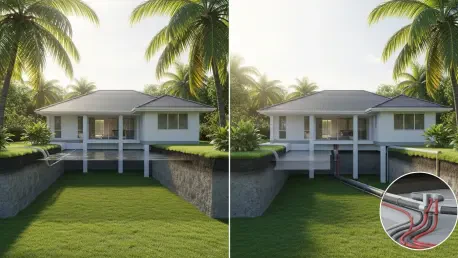

The recent sequence of intense kona low pressure systems striking the Hawaiian Islands within a mere two-week span has served as a stark reminder of the unpredictable nature of tropical weather patterns and the resulting vulnerability of local residential properties. While many residents associate significant flooding primarily with named hurricanes or tropical storms, the reality of these recent weather events highlights that high-volume rainfall can occur at any time, overwhelming drainage systems and local infrastructure. This geographical reality often leaves many homeowners caught off guard when water begins to breach the threshold of their living spaces, particularly if they rely solely on standard insurance policies. The assumption that basic homeowners insurance covers water damage from rising exterior sources is a common misconception that can lead to devastating financial consequences during recovery. As weather patterns continue to evolve through the remainder of 2026, understanding the nuances of specialized protection is becoming an essential component of responsible property ownership across the entire archipelago.
1. Evaluating Coverage Requirements and Policy Limitations
Distinguishing between standard homeowners insurance and a dedicated flood policy remains a critical step for residents living both inside and outside established high-risk zones. Most traditional homeowners and renters policies explicitly exclude damage caused by rising surface water, meaning that without a supplemental flood policy, repairs for foundation issues or saturated drywall could fall entirely on the individual. A standard flood insurance policy generally addresses physical damage to the primary structure, including electrical and plumbing systems, built-in appliances, and essential permanent fixtures. However, it is vital to recognize that coverage limits often apply to specific high-value items and rarely extend to exterior landscaping, detached structures, or the costs associated with temporary housing while repairs are underway. Evaluating the current market options through the National Flood Insurance Program or private insurers provides a necessary layer of financial security that safeguards the significant investments people make in their homes and personal belongings against the increasing frequency of heavy rain events.
2. Implementing Systematic Recovery and Claims Procedures
Effective recovery after a flooding event required immediate action and meticulous documentation to ensure that insurance claims were processed accurately and efficiently. Upon discovering damage, property owners contacted their agents to secure claim numbers and confirmed the specific deadlines for submitting necessary paperwork. Detailed photographic and video evidence of the water’s height and the resulting impact on personal property served as the foundation for successful reimbursement. Impacted individuals avoided making permanent structural repairs until an official adjuster provided approval, though temporary measures were taken to prevent further deterioration. Maintaining a comprehensive log of all expenses, including materials for emergency mitigation and receipts for displaced living costs, simplified the validation process. These proactive steps allowed residents to navigate the complexities of disaster assistance programs and local relief resources with greater confidence. By prioritizing these organized strategies, the community strengthened its resilience against future environmental challenges and ensured a faster return to stability after the waters receded.