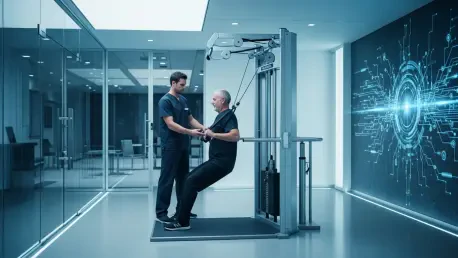

The scientific consensus now dictates that the most effective way to slow the physiological progression of Parkinson’s disease is through immediate, high-intensity aerobic and resistance training, yet current American health insurance protocols remain stubbornly tethered to a reactive model of care. This creates a devastating friction between what a neurologist recommends and what a provider actually covers, as patients are often forced to choose between optimal health outcomes and financial stability. While medical research emphasizes that neuroplasticity is most achievable in the early stages of the disorder, Medicare and private insurers frequently categorize these essential physical activities as non-reimbursable wellness programs. This administrative distinction ignores the reality that for a neurodegenerative condition, exercise functions as a potent pharmacological intervention. The inability of the current system to adapt to these clinical breakthroughs means that thousands of newly diagnosed individuals are left without a structured, covered pathway to manage their symptoms effectively from the start.
Structural Barriers: The Paradox of Skilled Necessity
Insurance reimbursement for physical, occupational, and speech therapy currently hinges on the demonstration of a “skilled need,” a term that requires a patient to show significant functional decline or a specific, time-limited goal that necessitates a clinician’s direct intervention. In the context of Parkinson’s disease, this requirement creates a paradoxical “gray zone” where individuals who are still mobile and independent are deemed “not sick enough” to qualify for professional therapy services. However, clinicians argue that waiting for a patient to lose their balance or experience a fall before authorizing treatment is an outdated and inefficient approach to managing chronic neurodegeneration. By the time a patient meets the standard for skilled care, the window for maximizing neuroprotection through high-intensity intervention may have already narrowed significantly. This reactive stance prioritizes the high costs of emergency rehabilitation over the much more sustainable path of preventative functional maintenance and early-stage education.
Beyond the clinical frustrations, the financial burden placed on families is staggering, as many patients must pay out-of-pocket for specialized exercise programs for a decade or more before their condition triggers traditional coverage. For a person diagnosed in the prime of their life, the cumulative cost of self-funding personal training, boxing classes, or specialized treadmill work can reach tens of thousands of dollars, creating a significant socioeconomic barrier to longevity. This system effectively punishes those who take proactive steps to remain functional and productive members of the workforce, as their very success in maintaining their health disqualifies them from receiving insurance support. The long-term economic impact is equally concerning, as the cost of treating an advanced, sedentary Parkinson’s patient—including hospitalizations from falls and full-time nursing care—vastly exceeds the modest investment required for early, group-based wellness interventions. The misalignment between fiscal policy and patient biology remains a primary hurdle to improving the standard of care for this population.
Institutional Adaptation: The Burden of Uncompensated Care
Because the existing reimbursement structure is fundamentally broken for neurodegenerative disorders, prestigious institutions like the Shirley Ryan AbilityLab have begun implementing deliberate business choices to bridge the gap between research and reality. These organizations often provide interdisciplinary screening visits where patients can consult with multiple therapists simultaneously to develop a comprehensive long-term plan. While these screenings are essential for establishing a baseline and preventing future complications, insurers often refuse to pay for the time of the physical and speech therapists involved, leaving the hospital to absorb the associated costs. This reliance on institutional generosity or internal budgets is a fragile solution that many smaller clinics or rural healthcare providers simply cannot replicate. The disparity in access between those who live near major research centers and those in underserved areas continues to widen as the healthcare system fails to standardize coverage for these vital assessments.
The sustainability of these specialized clinics is further threatened by the fact that the Parkinson’s patient population is relatively small compared to those with hypertension or diabetes, making it difficult to justify high overhead without significant philanthropic backing. Many researchers now rely on private donations and specialized grants to fund the very programs that the medical community considers the gold standard of care. This creates a precarious environment where life-altering programs could disappear if a specific grant cycle ends or a major donor redirects their funds. To protect the future of these services, there must be a shift away from the “maintenance” label that insurers use to deny claims, recognizing instead that ongoing functional training is the medical foundation of Parkinson’s management. Without a reliable and predictable reimbursement stream, the innovative care models developed at leading academic centers will remain localized luxuries rather than becoming the national standard for the millions of Americans living with the disease.
Community Innovation: The Research-Driven Path Forward
Innovative community models, such as the m.o.v.e. program based in specialized athletic centers, have emerged as a vital alternative by operating as research-driven cohorts that provide interdisciplinary care at no cost to participants. These programs target individuals within the first decade of their diagnosis, integrating physical and occupational therapy with social work to address the holistic needs of the patient and their caregivers. By collecting rigorous data on mobility, cognition, and fine motor skills, these initiatives aimed to build a compelling case for policymakers to recognize proactive interventions as medically necessary. The inclusion of caregivers was particularly critical, as it improved health literacy and long-term support structures within the home, ultimately reducing the likelihood of sudden crises. These programs demonstrated that group-based environments not only improved physical outcomes but also combated the social isolation that often accompanied a neurodegenerative diagnosis, fostering a sense of community.
The findings from these successful pilot programs provided a clear blueprint for a future healthcare system that valued functional preservation as much as the treatment of acute injury. Moving toward a “wellness-as-medicine” philosophy required advocates to push for legislative changes that removed the restrictive “skilled need” barrier for progressive neurological disorders. Professionals in the field emphasized that insurance companies needed to transition their focus toward long-term value, recognizing that early investments in exercise and education significantly lowered the overall cost of care. Leaders in neurology and physical therapy advocated for a standardized screening process that was automatically covered upon diagnosis, ensuring that no patient was forced to wait for a physical decline before receiving help. Ultimately, the integration of scientific evidence into reimbursement policy became the necessary evolution to ensure the sustainability of the healthcare system. These proactive steps allowed the medical community to move beyond reactive care, establishing a new standard for patient independence.