
The foundational promise of homeownership as a sanctuary from the world’s uncertainties is being fundamentally challenged by the escalating consequences of a changing climate. Across Australia, a silent crisis is gaining momentum as the increasing frequency and severity of natural disasters drive the cost of home and contents insurance to unsustainable levels. This surge in premiums is forcing millions of households, particularly those in vulnerable, disaster-prone regions, into a perilous financial dilemmpay for exorbitant coverage or risk losing everything. This trend not only jeopardizes the financial stability of individual families but also threatens to undermine the entire insurance industry, creating a feedback loop of rising costs that could leave vast swathes of the country unprotected. The core of the issue is a stark reality where the very mechanism designed to provide security is becoming an unaffordable luxury for those who need it most, raising urgent questions about national resilience and economic equity.
The Growing Affordability Crisis
Recent polling data has brought the alarming scale of this issue into sharp focus, revealing a nation on the brink of a widespread insurance retreat. A comprehensive survey indicated that one in five Australian households is now seriously contemplating the cancellation of their home insurance policy due to prohibitive costs. When extrapolated, this figure suggests a potential exodus of nearly three million households from the insurance market, leaving them completely exposed to the financial devastation of bushfires, floods, and severe storms. This is not a distant threat but a present anxiety, with over half the population now fearing that worsening natural disasters will soon render home insurance in their local area either entirely unavailable or financially out of reach. For a significant number of families, the breaking point has already been reached, with one in seven reporting annual insurance premiums that exceed their average monthly income, a clear signal of a market under extreme stress from climate impacts.
The economic engine behind these relentless premium hikes is the staggering financial toll of climate-fueled disasters, which have already led to billions of dollars in insured losses from hundreds of thousands of claims. The insurance industry operates on a fundamental principle of shared risk: the premiums collected from a large pool of policyholders are used to pay for the claims of the few who suffer losses. However, as affordability pressures force a growing number of people to drop their coverage, this pool of premiums shrinks. This forces insurers to increase costs for the remaining policyholders to cover the same level of catastrophic risk. This dynamic creates a potential “death spiral” of affordability, where rising prices push more people out of the market, which in turn necessitates further price hikes, straining the system’s capacity to provide a reliable safety net for anyone. This cycle threatens the very viability of the insurance model in high-risk regions across the country.
The Human Cost of Underinsurance
This escalating insurance crisis does not impact all Australians equally, with its heaviest burden falling on the nation’s most vulnerable communities. The geographic areas most susceptible to extreme weather events, such as floodplains and bushfire-prone zones, are frequently inhabited by lower-wage workers and families who possess the fewest resources to withstand financial shocks. These residents find themselves caught in a cruel paradox: they live in the high-risk locations where comprehensive insurance is most essential, yet they are the least financially equipped to afford the skyrocketing premiums, if they can secure coverage at all. As a result, the very people who depend most on a financial safety net to recover from a disaster are the first to have it stripped away. This deepens socioeconomic divides and leaves entire communities trapped in a cycle of disaster and poverty, unable to rebuild their lives and secure their futures.
Beyond the severe financial repercussions, the widespread lack of insurance coverage is introducing a grave and direct threat to public safety. Emergency service leaders have raised urgent concerns about a dangerous behavioral shift emerging among uninsured homeowners. Anecdotal evidence suggests that with no financial protection for their most significant asset, a growing number of residents are resolving to ignore official evacuation orders to “stay and fight” increasingly unpredictable and ferocious fires, operating under the belief that they have nothing left to lose. This desperate mindset fundamentally alters risk calculations during a disaster, as individuals without a financial pathway to recovery are more inclined to place themselves and first responders in mortal danger. This trend transforms an economic problem into a life-or-death crisis, significantly increasing the potential for civilian casualties and complicating disaster response efforts for emergency personnel.
A Call for Systemic Solutions
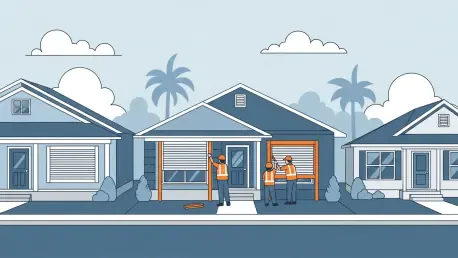
In the face of this multifaceted crisis, a powerful consensus has emerged among experts from the insurance, economic, and emergency management sectors, all pointing toward the urgent need for decisive and proactive government intervention. The unified message is that the only sustainable long-term solution is a national strategy centered on physical risk reduction. There is now a significant push for the federal government to strategically deploy its $1 billion Disaster Ready Fund to finance critical infrastructure projects designed to bolster community resilience. Investments in measures such as flood levees, improved building codes, and landscape management in at-risk areas are seen as the most effective way to mitigate the physical dangers of climate change. By making communities fundamentally safer, these initiatives would reduce the underlying risk, which in turn would lead to lower insurance premiums and improve the availability of coverage for all residents.
Alongside these long-term investments in physical infrastructure, a clear and immediate pathway to relief was identified through comprehensive tax reform. It was highlighted that government-imposed charges—which include stamp duty on policy renewals, the Goods and Services Tax (GST), and, in some states, an additional emergency services levy—can constitute between 20% and 30% of a home insurance premium’s total cost. Experts argued that reforming or reducing this substantial tax burden would provide the fastest and most direct financial relief to households struggling under the weight of rising costs. This policy adjustment was presented as a critical stopgap measure that could make essential coverage more affordable in the short term, thereby preventing more families from being pushed out of the market while the broader, more complex strategies for building national climate resilience were implemented.