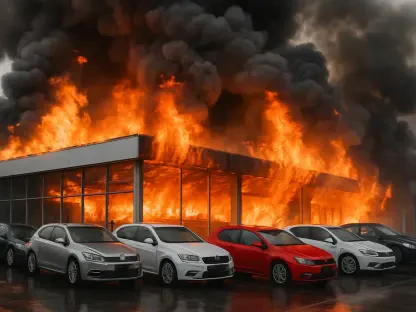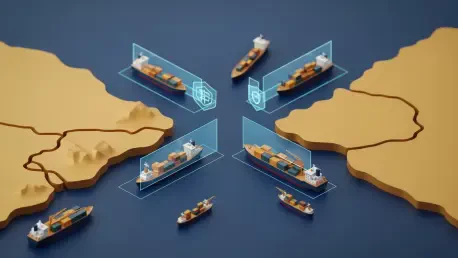

The rhythmic hum of massive diesel engines and the steady churning of saltwater provided a deceptive sense of normalcy before the first projectile shattered the morning silence near the Strait of Hormuz. While the world’s eyes are often fixed on land-based conflicts, a single Tuesday in March saw the maritime landscape shift as three separate commercial vessels were struck by projectiles in a coordinated wave of violence. This sudden escalation transformed one of the world’s busiest transit corridors into a live combat zone, leaving hulls shattered, ships ablaze, and international crews fighting for their lives.
The incidents represent a stark departure from the typical shadow warfare often seen in these waters. Instead of clandestine sabotage, the maritime community witnessed open kinetic strikes that bypassed traditional diplomatic red lines. The sheer frequency of these attacks suggests a deliberate strategy to destabilize the primary artery of global trade, signaling that the safety once guaranteed by international maritime law is no longer a certainty for those navigating the Persian Gulf.
The Day the Strait Stood Still: Three Strikes in Twenty-Four Hours
The morning began with a report of a strike on a Japanese-flagged container ship, the ONE Majesty, which sustained hull damage northwest of Ras Al Khaimah. Shortly thereafter, the bulk carrier Star Gwyneth, owned by Star Bulk Carriers, reported a similar strike while at anchor near Dubai. These events were not isolated anomalies but rather part of a concentrated effort to disrupt the flow of goods through the narrow passage, creating an atmosphere of pervasive dread among merchant mariners.
The technical precision of these strikes indicates a level of sophistication that far exceeds random piracy. By targeting vessels at different locations within the same twenty-four-hour window, the perpetrators successfully overwhelmed local response capabilities and forced a temporary halt to regional traffic. This logistical paralysis highlighted the extreme vulnerability of commercial shipping when faced with modern projectile technology and coordinated offensive maneuvers.
A Chokepoint Under Pressure: Why the Hormuz Gateway Dictates Global Stability
The Strait of Hormuz is far more than a narrow strip of water; it is the central nervous system of the global energy market, carrying a massive portion of the world’s oil and liquefied natural gas. When stability in these waters falters, the ripple effects are felt in every corner of the globe, from rising fuel prices to disrupted supply chains. This region is currently caught in a maximum pressure environment where geopolitical posturing has evolved into direct kinetic action, forcing the international community to confront the fragility of modern trade.
Because approximately one-fifth of the world’s total oil consumption passes through this gateway, even the slightest perception of risk can trigger economic shocks. The current volatility is not merely a regional dispute but a systemic threat to the post-war economic order that relies on the “freedom of navigation” principle. As energy security becomes increasingly tied to the physical safety of these narrow lanes, the global community faces a difficult choice between increased militarization and the acceptance of higher commodity costs.
Mapping the Escalation: Kinetic Strikes and the Human Cost of Maritime Insecurity
The recent surge in violence is characterized by a shift from rhetoric to physical destruction, illustrated by seventeen distinct security incidents recorded in less than a month. The Japanese-flagged ONE Majesty and the bulk carrier Star Gwyneth both suffered significant hull damage, but the true gravity of the situation is found in the unnamed cargo vessel that caught fire north of Oman. With three crew members still missing following that blaze, the crisis has moved beyond property damage to a high-stakes humanitarian emergency that threatens the safety of merchant sailors worldwide.
The psychological toll on crew members cannot be overstated, as sailors now face the reality of being collateral damage in a conflict they did not start. Families of the missing crew members from the cargo vessel continue to wait for answers, highlighting the profound human tragedy buried beneath the statistics of maritime insurance claims. This shift toward lethal force marks a dangerous new chapter where the preservation of human life is no longer a secondary concern but a primary point of failure in global shipping.
From Minefields to Boardrooms: Military Retaliation and the Surge in War-Risk Premiums
The deterioration of maritime safety has triggered a dual response from global powers and financial institutions. On the military front, the U.S. has intensified its presence, recently confirming the destruction of sixteen Iranian minelayer vessels to prevent further sabotage of shipping lanes. Simultaneously, the marine insurance industry is reacting to this tit-for-tat escalation by sharply increasing war-risk premiums. Analysts warn that these soaring costs, combined with the threat of active military intervention, are making commercial transit through the Strait an increasingly untenable risk for many global carriers.
Insurance underwriters have been forced to recalculate the probability of total ship loss in real-time, leading to a financial environment where some smaller operators are being priced out of the market entirely. These added costs are inevitably passed down to the consumer, demonstrating how military actions in the Persian Gulf directly influence the cost of living in distant continents. The feedback loop between military engagement and financial instability has created a volatile market that struggles to predict the next strike.
Navigating the Danger Zone: Strategic Protocols for Modern Merchant Transit
In response to these unprecedented threats, maritime authorities and shipping companies implemented rigorous safety frameworks to protect assets and personnel. Vessels were directed to exercise maximum vigilance, utilizing advanced surveillance and maintaining constant communication with naval task forces like the UKMTO. Navigators were trained to operate under high-alert status, while insurers and ship owners were forced to re-evaluate their exposure in high-risk zones, often opting for longer, costlier routes to bypass the immediate volatility of the Hormuz corridor.
These enhanced protocols included the deployment of private security details on deck and the implementation of blackout periods for automated identification systems. Strategic planners shifted toward a model of convoy-based transit, mirroring historical wartime measures to deter projectile attacks and mine placement. Ultimately, the industry moved toward a more resilient but significantly more expensive operational standard, acknowledging that the era of uncontested maritime peace in the Middle East had reached a definitive end.