
When the smoke finally cleared from the urban centers of America following the summer of 2020, a new and perhaps more complex battle began to emerge within the nation’s courtrooms. The intersection of insurance law and social upheaval has become a flashpoint for legal disputes across the United States. Following the significant civil unrest of 2020, many small businesses found themselves at odds with their insurance providers over the interpretation of commercial policies. The case of WOW Studios, LLC versus State Farm serves as a critical lens through which we can view this conflict. Understanding whether an insurer can deny coverage for losses sustained during these periods requires a deep dive into policy language, the nature of the damage, and the specific legal protections afforded to policyholders in different jurisdictions.
This timeline traces the evolution of a specific dispute in Seattle, illustrating the progression from physical loss to a formal legal battle in federal court. By exploring the sequence of events, we can identify the broader implications for business owners who rely on theft, inventory loss, and business interruption coverage to survive catastrophic social events. The relevance of this topic remains high as judicial systems continue to define the boundaries of “covered events” in an era of unpredictable civil environments.
The Path From Property Loss to Federal Litigation
May 2020: The Initial Breach of Retail Operations
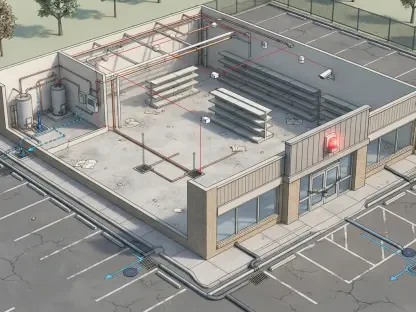
During the height of civil unrest in downtown Seattle, WOW Studios experienced its first major loss at its 603 Stewart Street location. The luxury apparel designer’s retail storefront was breached by individuals who capitalized on the chaos in the streets. This event resulted in the immediate theft of high-value assets, including cash registers, essential computer equipment, and a significant portion of the store’s available inventory. At this stage, the loss appeared to be a straightforward case of burglary and vandalism, falling under the standard protections of a commercial insurance policy.
June 2020: Secondary Targeted Theft of Wholesale Assets
Shortly after the initial storefront breach, a second and more strategically damaging incident occurred within the same building. This time, the perpetrators targeted the company’s wholesale headquarters. This breach was particularly detrimental to the business’s long-term viability because it resulted in the loss of sample collections and unique prototypes. For a designer servicing over 200 accounts, these items represented the core of their operations rather than just retail stock. This event expanded the scope of the claim from simple property damage to a complex loss of proprietary assets and business interruption.
2021 to 2023: The Investigation and Subsequent Denial of Coverage
Following the filing of the insurance claims, State Farm initiated what the plaintiff described as a protracted and exhaustive investigation. Despite WOW Studios maintaining its premium payments and providing documentation of the losses, the insurer eventually issued a blanket denial. State Farm contended that the specific circumstances of the loss did not meet the criteria for covered events under the boutique’s policy. This period was characterized by a growing friction between the insurer’s procedural requirements and the business’s need for recovery, eventually leading to a total breakdown in the claims process.
Present Day: Filing of the Lawsuit in U.S. District Court
The dispute moved into the judicial arena when WOW Studios filed a formal complaint in the U.S. District Court for the Western District of Washington. The lawsuit alleges that State Farm’s denial was not merely a disagreement over policy language but a manifestation of bad faith and a violation of the Washington Consumer Protection Act. By seeking compensatory and exemplary damages, the plaintiff has elevated the case from a contract dispute to a challenge against the insurer’s corporate conduct. This stage of the timeline represents the shift toward a legal determination of whether civil unrest provides a valid basis for insurers to bypass their coverage obligations.
Critical Inflections in the Interpretation of Insurance Contracts
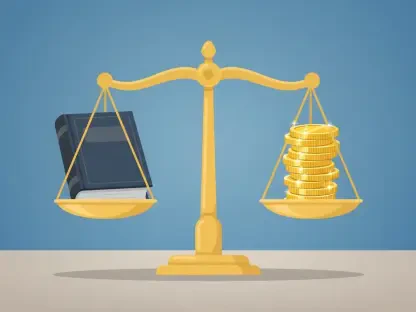
The most significant turning point in this saga is the transition from factual loss to legal speculation. When an insurer moves from acknowledging a physical theft to categorizing it as an excluded event based on the broader social context, it changes the fundamental nature of the insurance agreement. The overarching theme here is the tension between “all-risk” policies and the specific exclusions insurers use to limit their exposure during widespread civil events. The case highlights a notable gap in how “civil unrest” is defined within policies, often leaving a gray area that insurers may exploit to minimize payouts.
Another pattern emerging from this timeline is the role of business interruption coverage. For WOW Studios, the loss of prototypes was not just a loss of physical objects but a disruption of their entire wholesale cycle. The failure of the insurer to recognize the specialized nature of these assets suggests a disconnect between standard insurance models and the realities of modern boutique manufacturing. This case underscores the need for more granular policy language that accounts for the unique operational needs of creative industries.
Jurisdictional Factors and the Olympic Steamship Doctrine
The legal landscape in Washington provides a unique environment for this dispute, primarily due to the Olympic Steamship doctrine. This precedent is a powerful tool for policyholders, as it allows for the recovery of attorney’s fees if an insurer is found to have wrongfully denied coverage. This adds a significant layer of financial risk for State Farm and serves as a deterrent against arbitrary denials. Expert opinions in the field suggest that the outcome of this case will hinge on whether the court views the 2020 events as a series of individual criminal acts or as a single, excluded phenomenon of civil disorder.
Common misconceptions often suggest that any loss during a riot is automatically covered, but this case demonstrates that insurers frequently use the “motive” or “context” of a crime to trigger exclusions. Furthermore, the allegation of “bad faith” introduces a nuance that goes beyond the policy itself, focusing instead on whether the insurer’s investigation was intentionally skewed to reach a denial. As this case progresses, it will likely provide a benchmark for how other states handle the lingering insurance fallout from the 2020 protests, especially concerning the distinction between general vandalism and targeted theft during periods of unrest.
The litigation in Seattle reached a pivotal juncture where the definition of “property damage” shifted toward the broader concept of “economic viability.” Stakeholders identified the necessity for legislative clarity regarding riot-related exclusions to prevent the perpetual cycle of investigation and denial. Moving forward, businesses looked toward specialized endorsements that explicitly decoupled criminal acts from political motivations. Legal experts recommended that commercial entities audit their policies for ambiguous language regarding social upheaval. Such measures aimed to fortify the small business sector against future volatility and ensured that the “all-risk” promise remained a tangible reality rather than a legal theory.